Article by:
DubaiDirectory

We'll take you to the coast, even if you're miles from the water. Joe's Crab Sh...

The first thing to establish is which technology you actually need, because a quote of AED 80 and a quote of AED 2,000 for what sounds like the same job are usually describing two different machines entirely. Dubai's 3D printing scene runs on four main processes — FDM (fused filament, the cheapest and most common), SLA/DLP resin printing (smoother finish, good for detail), SLS (nylon powder, strong functional parts), and metal printing (titanium, steel, aluminium, used mostly for aerospace, dental and jewellery casting). Ask which one you're being quoted for before you compare prices, because comparing an FDM figure to an SLS figure tells you nothing.
For a simple FDM prototype in PLA or ABS — a bracket, a housing, a phone stand — expect AED 150 to 400 depending on size and print time, often priced per gram of material plus a machine-time charge. Resin prints for detailed miniatures, dental models or jewellery masters typically run AED 300 to 800 for a hand-sized object, because resin and post-curing take longer and the machines cost more to run. SLS nylon parts, used where you need something that flexes or takes real mechanical load, start around AED 500 and climb quickly with volume — nylon powder alone can cost AED 200-350 per kilogram before machine time is added. Metal printing sits in a different bracket altogether: a small titanium component can run AED 2,000 upwards once you include support removal and machining, and most Dubai bureaus outsource this to a handful of specialist facilities rather than running it in-house. Whatever the technology, add 5% VAT if it isn't already shown, and expect a 30-50% rush surcharge if you want something same-day rather than the standard 2-4 working day turnaround.
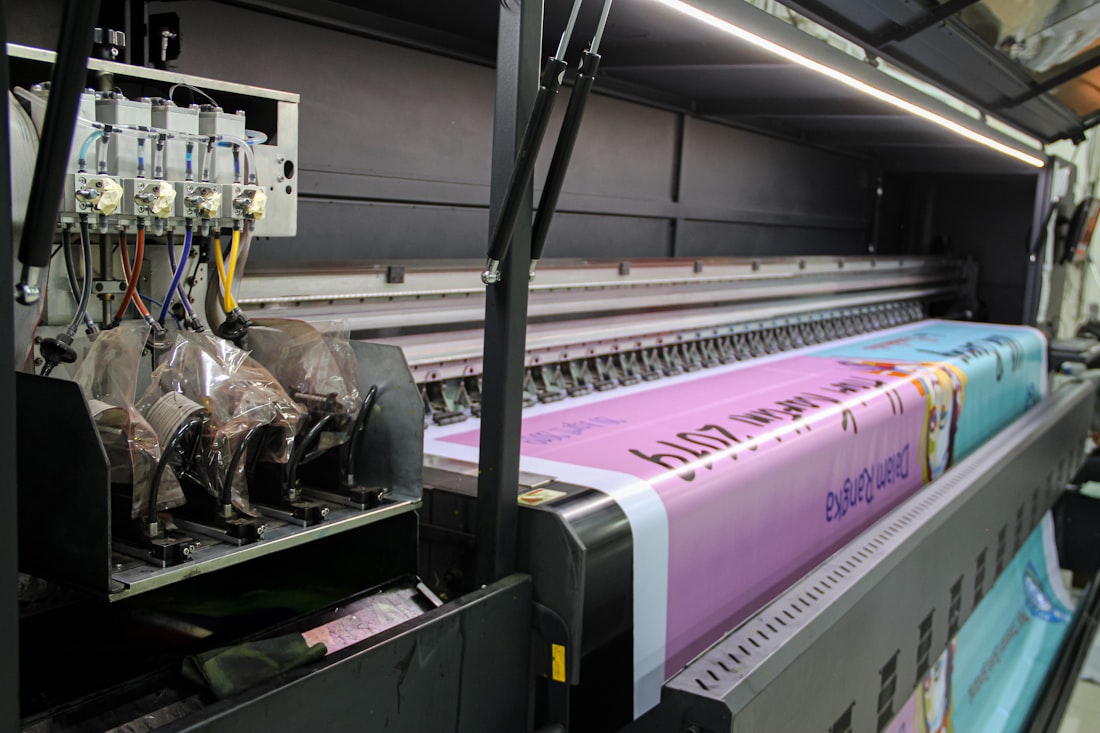
A lot of what looks like a 3D printing company in Dubai is a sales office with no printer on the premises. The physical machines cluster in a few areas for practical reasons — warehouse rent, power supply, ventilation for resin fumes. Al Quoz Industrial Areas 3 and 4 hold the largest concentration, sitting alongside the metal fabrication and joinery workshops that prototyping naturally overlaps with; if you need a part machined as well as printed, Al Quoz saves you a delivery leg. Ras Al Khor houses the heavier industrial operations, including the large-format and construction-scale printers. Dubai Design District (d3) has smaller, design-led studios working with product designers, architects and jewellery brands, where the emphasis is finish quality rather than volume. JLT and Business Bay have office-based service bureaus that outsource the actual printing to Al Quoz but manage the client relationship — nothing wrong with that model, but ask directly where your file is being printed, because it affects turnaround and who you contact if something's wrong.
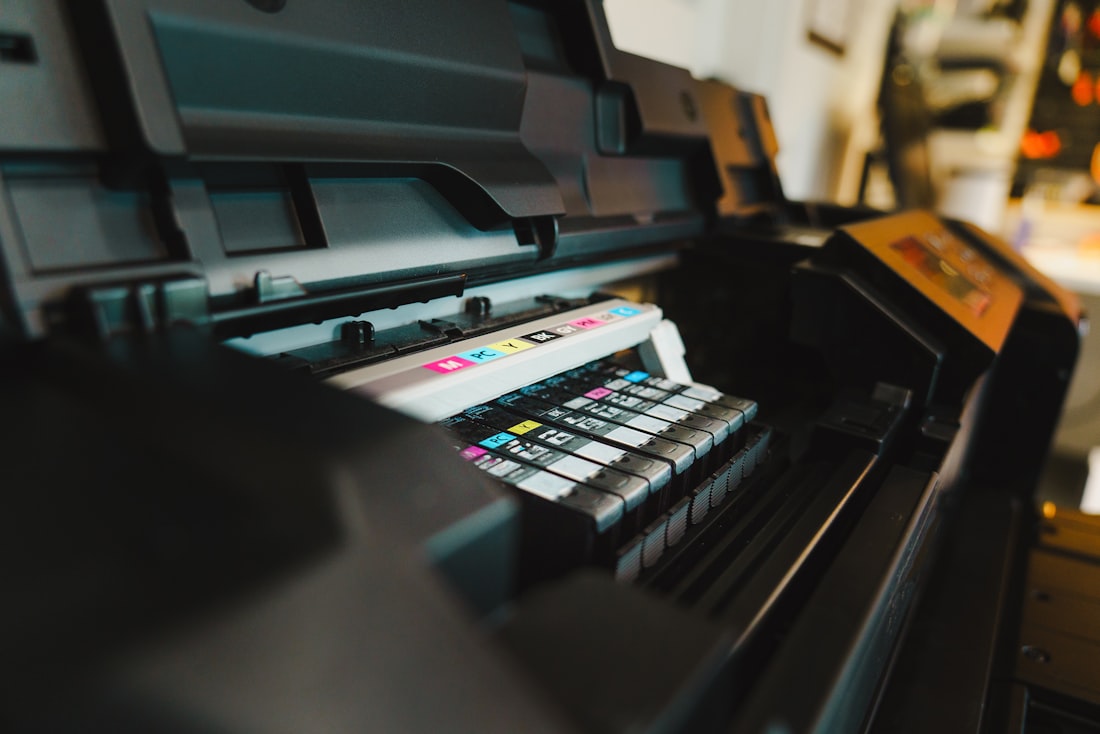
A vendor who knows what they're doing will confirm five things before naming a price: the material and its trade name (not just "plastic" or "resin"), the layer height or resolution, the infill percentage for FDM parts, any post-processing (sanding, dyeing, painting, vapour smoothing), and a firm lead time in working days. If a quote skips straight to a number without asking what the part is for, that's a sign they're pricing blind — and a bracket that needs to hold weight printed at 15% infill will fail where one at 60% won't. For architectural models and exhibition pieces, also ask about colour matching and whether assembly is included, since multi-part builds often arrive as separate pieces needing glue and filler at your end unless you've specified otherwise.
Most delays blamed on the printing company are actually file issues. An STL file with a non-manifold mesh, walls thinner than the process can handle, or overhangs with no support strategy will either fail mid-print or come out warped — and this shows up disproportionately in Dubai's summer months, when transport vehicles sitting in 45°C heat can soften PLA parts before they even reach the client. Minimum wall thickness for FDM is generally 0.8-1.2mm; for resin it can go down to 0.5mm, which is one reason resin suits fine detail work like jewellery models and dental guides. If you're supplying your own CAD file, a competent bureau will run a mesh check and flag problems before printing, not after. If they print a broken file without comment and charge you anyway, that's a fair basis for a dispute.
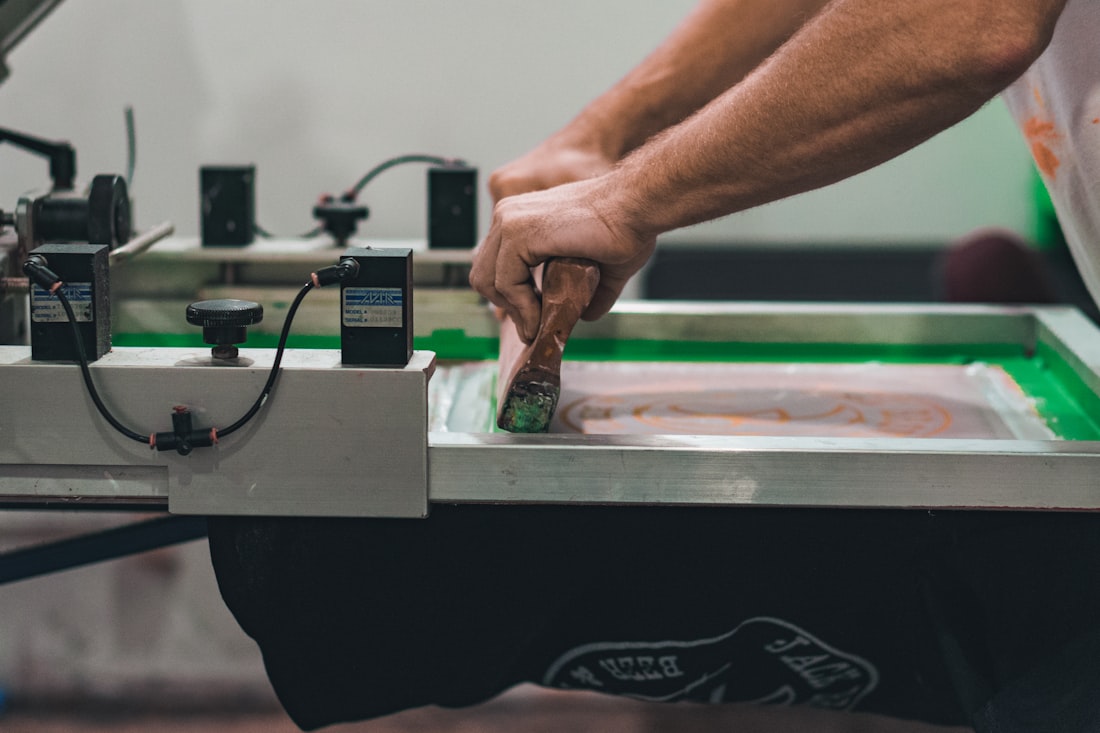
Demand spikes hard around Gitex, Arab Health, and the design and property exhibitions that run through autumn and winter, when architectural model makers and product design studios are booked out weeks ahead. If you need models for a stand at one of these events, get your file in at least three weeks before the show — leaving it to the final week means paying rush rates or being turned away entirely. Summer (June to August) is quieter for prototyping generally, and it's the best time to negotiate on price for non-urgent work, though it's also when material degradation in transit is most likely, so ask about insulated or same-day delivery for anything in PLA or standard resin.
Dubai has pushed hard on large-format 3D printed construction — Dubai Municipality has stated ambitions for a meaningful share of new buildings to include 3D printed elements over the coming years. This is not something a desktop prototyping bureau touches; it involves gantry or robotic-arm concrete printers, structural engineering sign-off, and DED and Dubai Municipality approvals in the same way any construction project needs them. If you're a developer or contractor exploring this, you're dealing with a specialist engineering firm, not a service bureau, and the procurement process looks like any other construction tender rather than a walk-in print job.
Legitimate 3D printing service providers in Dubai operate under a DED mainland licence (commonly listed under general trading, printing, or industrial services activities) or through a free zone such as DMCC or Dubai CommerCity if they're set up to export digitally and ship physical goods separately. For the customer, this matters less for where they're licensed and more that they're licensed at all — a registered company gives you a trade licence number, a VAT registration if applicable, and a paper trail if a part fails or a deposit disappears. Freelancers running a desktop printer from a spare room are common and often cheap, and for a one-off low-stakes model that's fine, but for anything commercial, anything involving your intellectual property (a proprietary design file), or anything above a few hundred dirhams, use a company you can find on a trade licence and hold to a written quote. If a dispute arises over a paid job that wasn't delivered as agreed, the Dubai Economy and Tourism consumer complaints channel handles registered businesses; it has no reach over an unregistered individual, which is the practical reason licensing matters here more than it might seem to at first.
We'll take you to the coast, even if you're miles from the water. Joe's Crab Sh...
Emirates NBD, is the leading banking group in the MENAT region.



 Log in with Google