Article by:
DubaiDirectory

An award-winning, iconic flagship hotel and a veritable landmark of luxury situ...

Typing "auto spare parts near me" into Google in Dubai usually means one of three things: your car's stopped working and you need a part today, a garage has quoted you a price you want to check, or you're trying to avoid paying dealership rates for something as simple as a wing mirror. The answer to all three starts in the same place, and it isn't your nearest mall.
Dubai's spare parts trade is geographically concentrated, and knowing which cluster to head to saves you hours. For used and reconditioned parts pulled from scrapped or accident vehicles, the Ras Al Khor and Al Awir area is the centre of gravity — rows of yards and small shops, many family-run for two or three decades, stacked with doors, engines, gearboxes, and body panels sorted roughly by make. Prices here beat dealerships by 60-80% on mechanical parts, but quality varies shop to shop, not just yard to yard.
For new aftermarket parts — brand-name equivalents rather than originals — Sharjah's Industrial Areas 12 and 13 are where most Dubai garages actually source stock, even if the shop you're dealing with is based in Al Quoz or Deira. It's a 25-minute drive from central Dubai and worth it if you're buying more than one item, because the wholesale pricing there is noticeably better than what gets marked up for retail in Dubai proper.
If you specifically want genuine manufacturer parts, you're choosing between the brand's authorised dealership (Al Tayer for Land Rover and Ford, Al-Futtaim for Toyota and Honda, and so on) or a handful of independent importers in Deira and Al Quoz who bring in genuine parts through grey channels — legal, but without the manufacturer's warranty attached. These importers typically undercut the dealership by 20-30% for identical parts.

The three-way price difference on any given part is rarely random, and understanding it stops you overpaying or underbuying. A genuine Toyota Camry alternator from an authorised dealer might run AED 1,400-1,800. A grey-market genuine part, same specification, drops to roughly AED 1,000-1,300. A quality aftermarket equivalent (Denso, Bosch, or similar) lands around AED 500-750. A used one pulled from a written-off Camry in Ras Al Khor can be had for AED 250-400.
None of these is automatically the wrong choice. For a car you're planning to sell within a year, used or aftermarket makes financial sense. For a car still under manufacturer warranty, fitting a non-genuine part can void that warranty on the affected system, so check your service book before you buy. For safety-critical items — brake components, steering parts, airbags — most experienced mechanics in Dubai will tell you to spend the extra money on genuine or at minimum a recognised aftermarket brand, not the cheapest used option, because a five-year-old brake caliper from a scrapped car carries fatigue you can't see.
These ranges assume a mid-range saloon or SUV — Toyota, Nissan, Honda, Hyundai. German and Japanese luxury marques (Mercedes, BMW, Lexus) run 40-100% higher across the board, and parts for less common imports can take days to source and carry a premium for that reason alone.
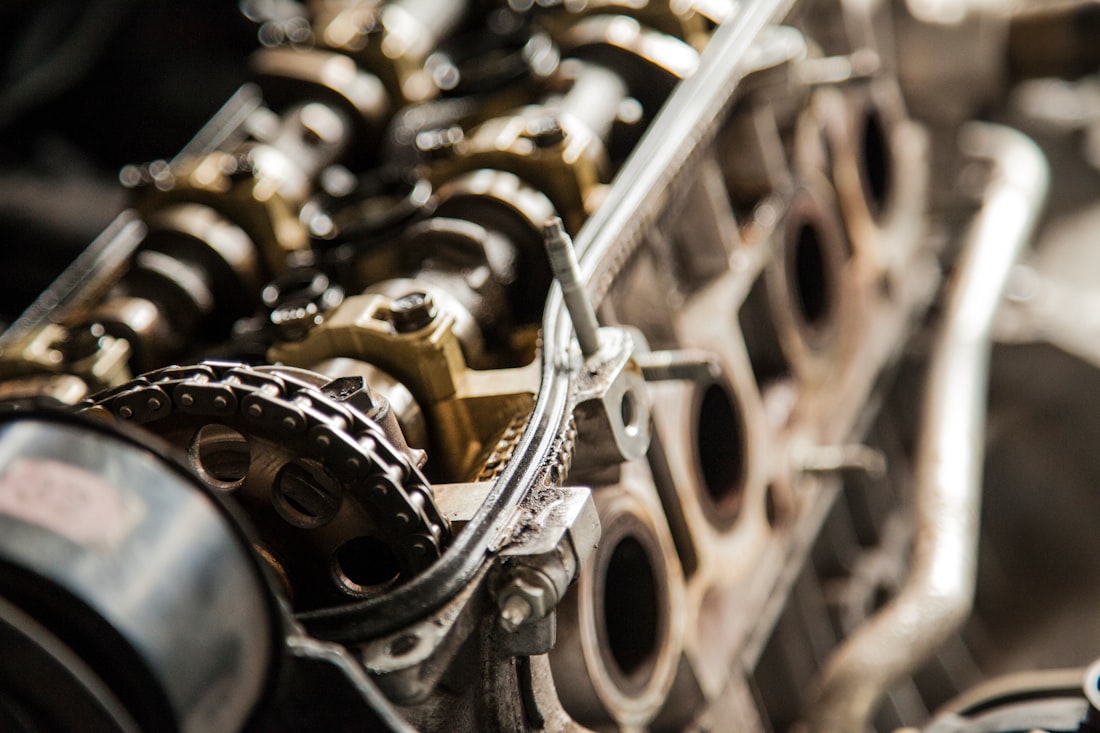
Ras Al Khor has plenty of long-standing, reputable dealers, but it also has traders who buy salvage vehicles imported from flood zones or accident-heavy markets abroad, clean them up, and sell parts with no disclosure of their history. Three questions expose the difference quickly. First, ask whether the part has been tested — a used alternator or starter motor should be bench-tested before sale, and any dealer worth using will do this on the spot or tell you it's already been done, with a result you can verify. Second, ask for the chassis or VIN number of the donor vehicle, or at minimum the model year and country of origin; a trader who can't or won't tell you this is often hiding that the part came from a flood-damaged import. Third, ask what happens if it doesn't fit or fails within a week — a proper shop offers a return or exchange window of 7 to 30 days on used parts, and anything shorter than that, or a flat "no returns" policy, is a signal to walk.
Always give the dealer your car's chassis number rather than just the make, model, and year. Mid-cycle facelifts and regional spec differences mean two Nissan Altimas from the same model year can take different parts, and a shop working from year alone will sometimes sell you something close enough to bolt on but wrong enough to cause problems later.
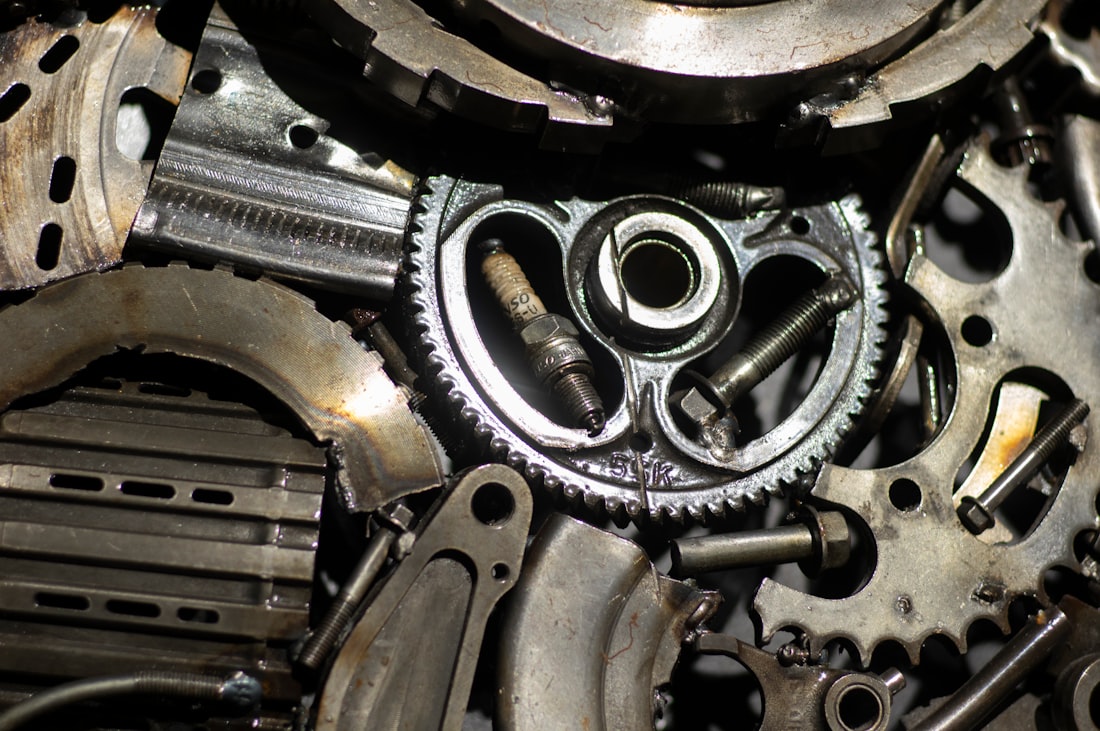
Most spare parts shops, particularly in the used parts market, sell the part only — they are not garages and won't fit it. Budget separately for labour: a garage in Al Quoz or Ras Al Khor will typically charge AED 100-250 to fit a straightforward mechanical part like an alternator or starter motor, more for anything requiring diagnostic work first. If you're buying the part yourself to save money, confirm with your mechanic beforehand that they're willing to fit customer-supplied parts — some franchised service centres refuse this outright, insisting on their own supply chain, which is worth knowing before you spend an afternoon sourcing a part they won't install.
AC compressor and radiator demand spikes hard from March through September as Dubai's heat pushes ageing cooling systems past their limit, and prices for used AC parts can rise 15-20% during peak summer months simply because supply can't keep up. If your AC is already showing signs of strain in February, sourcing the part before the summer rush is cheaper and faster than waiting for it to fail in July, when everyone else has the same idea and yards run short of stock for common models.
Winter, by contrast, is when battery and coolant-related work slows and mechanical parts — suspension, brakes — see steadier, less inflated pricing, so non-urgent jobs are worth scheduling for the cooler months if your car can wait.
Dubizzle and similar platforms list plenty of individual sellers offering parts, and pricing can look attractive, but a private seller with no fixed premises gives you no recourse if the part is wrong or faulty. If you go this route, insist on collecting in person rather than paying for delivery sight unseen, and treat any seller who won't meet at a shop or yard with some caution. A DED trade licence number on an invoice, even a simple one, gives you something to point to if a dispute arises — a WhatsApp conversation with a private number does not.
An award-winning, iconic flagship hotel and a veritable landmark of luxury situ...
Yogurtland offers the industry’s best quality frozen yogurt made from real Cali...



 Log in with Google