Article by:
DubaiDirectory

For those who #Rove Hello Friend of Rove! We are a Dubai born-and-bred global l...

Before you get a single quote, find out whether your building requires a no-objection certificate for renovation work. This is the thing that stalls more Dubai bathroom jobs than budget ever does. If you own in a tower managed by a master developer or owners' association — Emaar communities, Nakheel buildings, most of Business Bay, JLT and Dubai Marina — you need written NOC approval before any contractor touches plumbing, tiling or waterproofing, and the building will usually ask for the contractor's trade license and insurance as part of that application. Skip this step and you risk a stop-work order midway through demolition, with tile already ordered and a deposit already paid.
If you're a tenant, the starting point is different: you need your landlord's written consent, ideally referenced against your Ejari contract, because RERA's rental law treats structural alteration without consent as a lease violation regardless of how much you're spending on marble.
Pricing splits by finish level and building type, and the gap between the bottom and top of each bracket is almost entirely about materials, not labour. A standard apartment bathroom in a Business Bay or JLT tower, roughly 4 to 6 square metres, with mid-range porcelain tiles, a standard vanity and no layout changes, runs AED 15,000 to 28,000. Move the drain or reposition the shower and you add plumbing rerouting cost plus the waterproofing has to extend further, pushing that to AED 25,000 to 40,000. A villa ensuite in Jumeirah, Umm Suqeim or Al Barsha, where wall runs are typically longer and finishes tend toward imported stone, sits at AED 30,000 to 55,000 for a genuinely good job. Anything with book-matched marble, underfloor heating or a freestanding imported tub pushes past AED 70,000, and at that point you're paying for the tile and sanitary ware as much as the trade.
A fair quote breaks down into demolition and waste removal, waterproofing (materials and the mandatory cure time, not just labour), tiling labour separate from tile supply, plumbing rework, electrical work for lighting and extraction, sanitary ware and fittings, painting or ceiling work, and a project management or supervision fee if the company isn't doing the physical work itself. If a quote arrives as one lump number with no breakdown, that's not efficiency, it's a way of hiding where the margin sits. VAT at 5% should be shown separately, and if it isn't mentioned at all, ask why — a licensed company charges it.
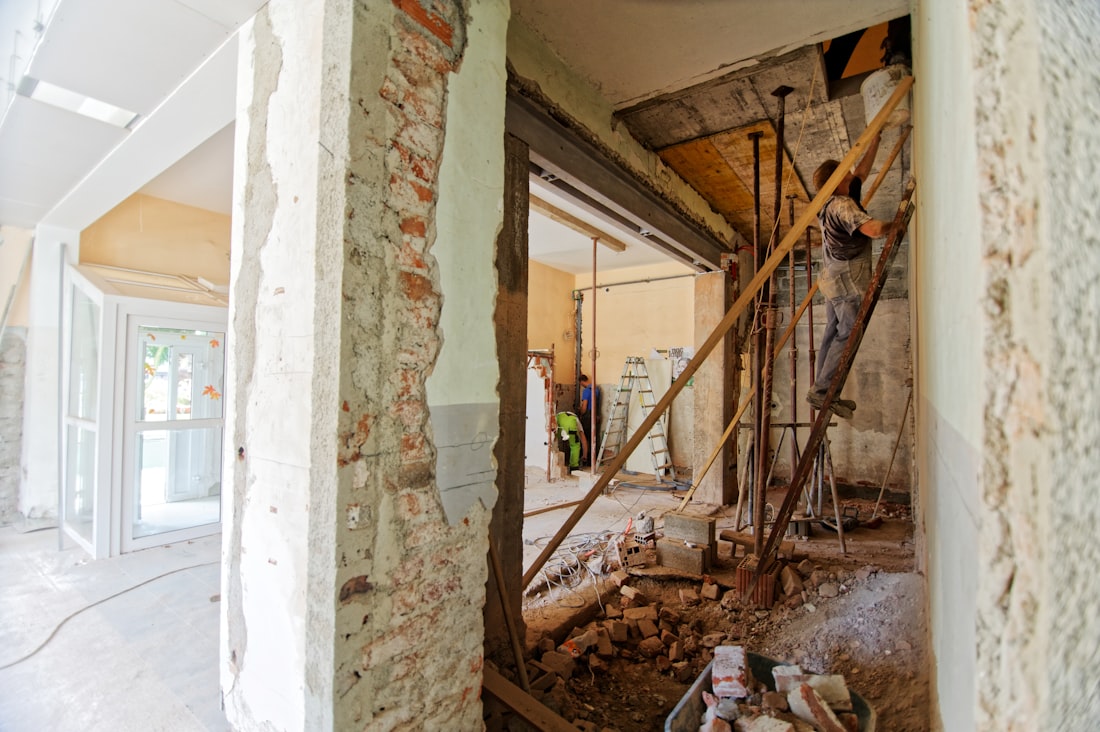
Three approvals matter, and which ones apply depends on where you live. Apartment owners in strata buildings need the building NOC described above, which typically takes one to two weeks and requires the contractor's DED trade license and civil defence or public liability insurance certificate as attachments. Villa owners doing anything structural — moving a wall, changing the footprint, altering drainage that affects the building's structure — need a Dubai Municipality building permit, which a licensed contractor should handle as part of the job, not leave to you. And any work that involves shutting off water or power at the DEWA meter, or altering the metered supply, needs to go through DEWA's approved process; a contractor who suggests just isolating the valve themselves without notifying the building is cutting a corner that becomes your liability if a neighbour's ceiling leaks.
That leak risk is the real reason waterproofing gets specified so carefully in Dubai contracts. Towers share slabs between floors, and a poorly waterproofed bathroom on the 14th floor becomes a compensation claim from the unit on the 13th. Ask for the waterproofing membrane brand and the manufacturer's warranty period — anything under 10 years for a wet area membrane is below standard — and insist on a water test (the bathroom is flooded and left for 24 to 48 hours before tiling) documented with photos before the floor gets covered. A contractor who resists this test, or wants to skip straight to tiling to save two days, is telling you something.
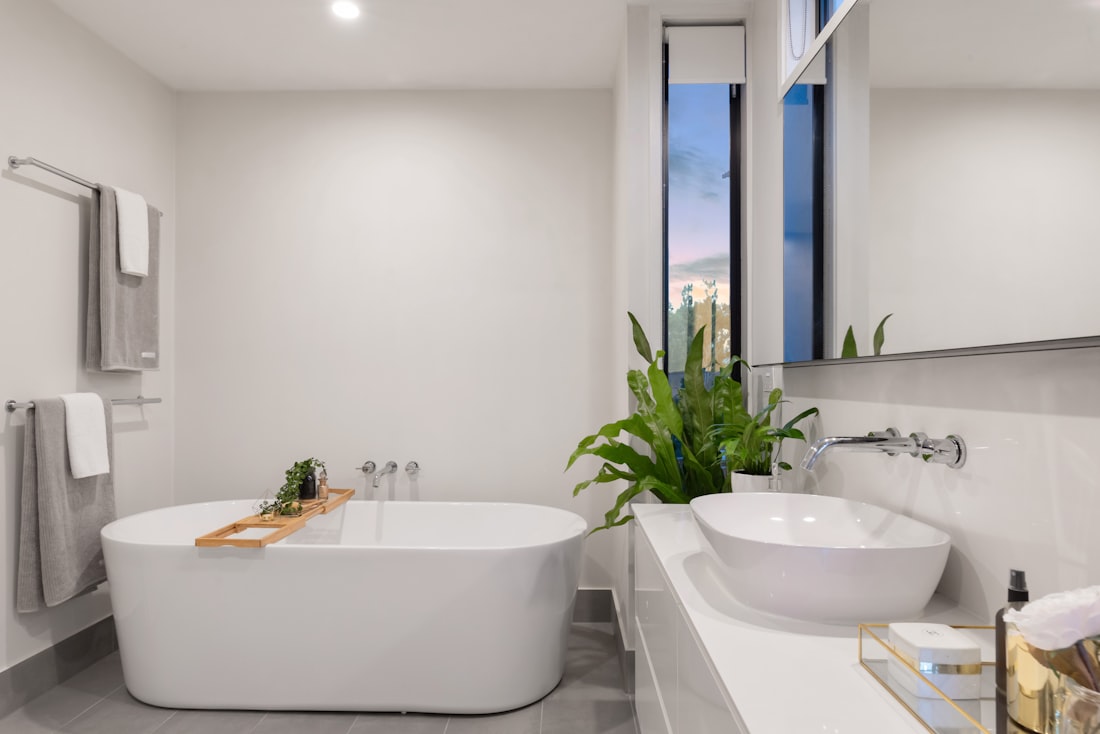
Most trades operating in Dubai work through a registered company rather than as individuals, and that company needs a DED contracting license — specifically a building or renovation contracting category, not just a general maintenance license, which is a different and lesser permission. Ask to see it. A legitimate company hands this over without hesitation, along with a company name that matches the one on the quote and the invoice.
On payment: a deposit of 20 to 30% to secure materials is normal, but anything asking for 50% or more before demolition has even started is a red flag, particularly from a company with no showroom or fixed address you can visit. Al Quoz has a genuine cluster of tile and sanitary ware suppliers and contractor workshops you can walk into; a company that exists only as a phone number and a WhatsApp catalogue is a higher-risk proposition, whatever the quote looks like.
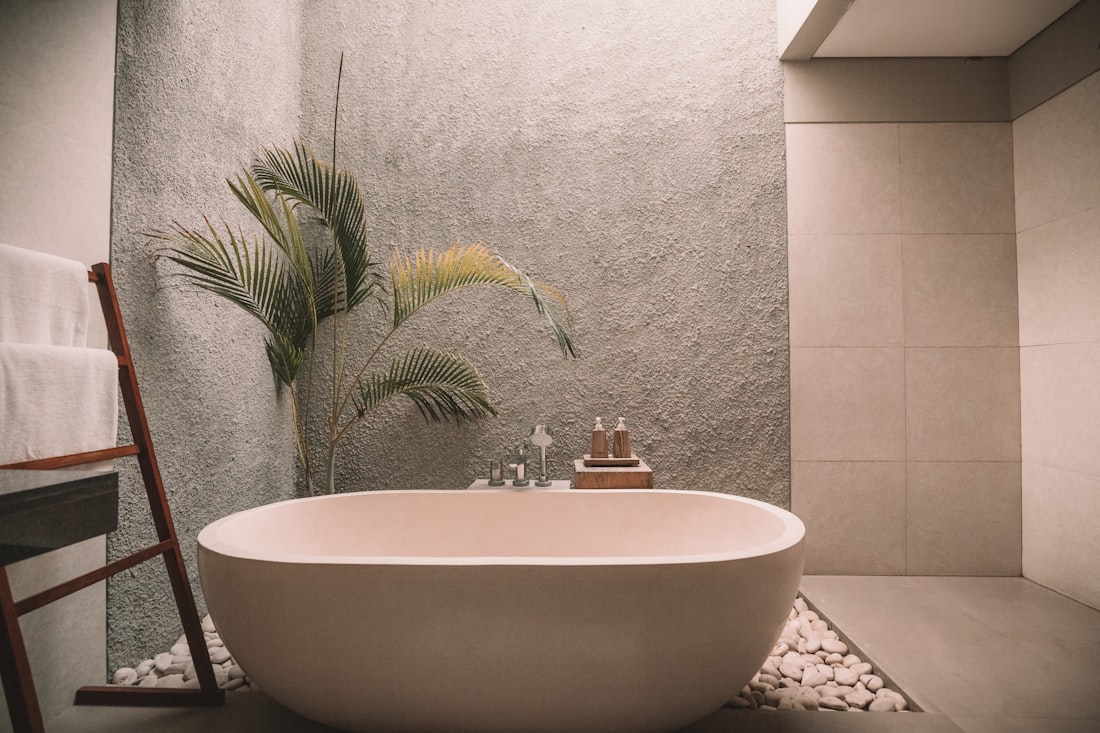
Demand for renovation work is not flat across the year. Many residents travel in July and August, which is when contractors have the most capacity and are often willing to negotiate on price or timeline, particularly for apartment jobs that don't need villa-scale scaffolding. Ramadan compresses working hours across the trades and slows everything by a week or two, so if your project has a hard deadline — moving in, a sale closing — avoid scheduling the tiling and fit-out phase to land inside it. Strata buildings in Business Bay, Dubai Marina and JLT typically restrict noisy work to weekdays between 9am and 5pm, sometimes tighter, so a job quoted at
Prominently located along the luxurious Fashion Avenue, Symphony offers its dis...

 Log in with Google