Article by:
DubaiDirectory

AZURE BEACH, IN THE HEART OF DUBAI, IS YOUR PERFECT CITY ESCAPE TO THE GOOD TIM...

The bakery that shows up first on Google Maps is not necessarily the one that will get a cake to your door intact at 4pm in July. In Dubai, "near me" has to account for heat, traffic, and whether the seller is actually licensed to be selling you food at all. Here is what separates a smooth order from a melted disappointment two hours before the party.
Cream cakes and anything with fondant decoration are genuinely fragile in Dubai between May and September. A cake that leaves a kitchen in Al Quoz looking perfect can arrive in Dubai Marina with slumped tiers if it spends fifteen minutes in a car boot without air conditioning. Proper bakeries use insulated boxes and, for tiered or fondant cakes, a chiller van or at minimum a cooled delivery bag. Ask directly: "how do you transport this in summer?" A shop that hesitates or says "we just use a normal car" is telling you something useful.
This is also why proximity matters more here than in cooler climates. A bakery ten minutes away in the same area (Jumeirah to Jumeirah, say, or Business Bay to Downtown) is a safer bet for a delicate cake than one that looks appealing on Instagram but sits forty minutes across town in Al Barsha or Ras Al Khor. If the design is elaborate, ask what happens if it needs re-icing on arrival — better shops carry a touch-up kit with the delivery driver.
Dubai has a large and genuinely talented home-baking scene, much of it running through Instagram and WhatsApp rather than a shopfront. Some of these operators are fully compliant: Dubai Municipality and DED now issue home-based food business permits, and a legitimate home baker will have a trade licence number and a food safety certificate they can show you if asked. Plenty of others are operating without either, which matters if you or a guest has a serious allergy, if the cake causes food poisoning, or if a large deposit disappears with no cake ever arriving — there is no commercial address to chase and no licence number to report.
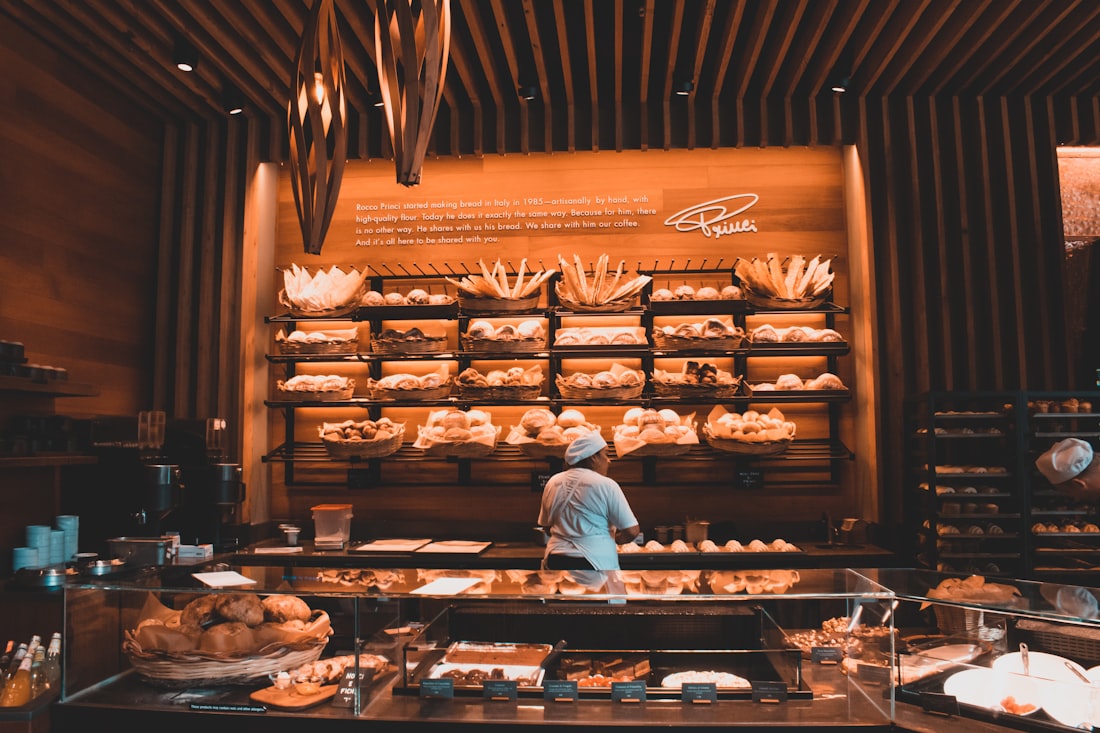
A shop-front bakery in a mall, in Karama, Deira, or a retail unit in Al Barsha carries a Dubai Municipality food trade licence displayed on the wall or on request. That licence is not a guarantee of taste, but it does mean there is a registered entity, a kitchen that has passed inspection, and a real complaints trail if something goes wrong. For a child's birthday cake with no allergy concerns, a well-reviewed home baker is often fine and cheaper. For a wedding, a large corporate order, or anything for a guest with a nut or gluten allergy, a licensed kitchen is the safer call.
Prices in Dubai vary more by decoration complexity than by size, so use these as a starting point rather than a fixed rule.
If a quote for a custom fondant cake comes in dramatically below these ranges, ask what's included. A common shortcut is printed edible paper toppers instead of hand-piped decoration, or a smaller actual cake padded out with a dummy tier — fine if you know that going in, disappointing if you don't.
First, ask for the food licence or trade licence number, even for a home baker. A legitimate operator gives this without hesitation. Second, ask what happens if the cake is damaged in transit or arrives late — a proper business has a stated policy (partial refund, reshoot the design, priority remake), while an unlicensed seller usually has no policy at all beyond an apology. Third, ask for a tasting or a photo of a previous cake matching your requested design, not a generic portfolio shot. Custom orders that go wrong almost always trace back to a design description that meant one thing to the customer and another to the baker.
Deposits are standard practice for anything custom: 50% at order confirmation is typical, balance on collection or delivery. Pay the deposit by bank transfer or card where possible rather than cash to an unverified account — it gives you a paper trail if the order falls through.
Standard cakes can often be ordered same-day or with 24 hours' notice from a shop-front bakery. Custom fondant designs need three to seven days' lead time at most kitchens, longer during peak periods. The two weeks around Eid al-Fitr and Eid al-Adha see enormous demand for celebration cakes across Dubai, and many bakeries stop taking custom orders 48–72 hours before the holiday simply because the kitchen is full. The same happens around Diwali in areas with large South Asian communities, and through the wedding-heavy months of October to March, when tiered cake bookings should go in three to four weeks ahead, with a tasting session usually scheduled two to three weeks out.
A significant share of Dubai's population avoids eggs in baked goods for religious or dietary reasons, and most established bakeries offer a fully eggless range as standard rather than a special request — if a shop looks confused when you ask, that's worth noting. Halal status matters for flavourings and gelatin-based decorations: gelatin sourced from non-halal animals or alcohol-based extracts (vanilla essence made with alcohol, rum-soaked sponges) show up more than people expect in cakes made by bakers unfamiliar with local dietary norms. If this matters to you, ask specifically about the gelatin source and whether any flavouring contains alcohol, rather than assuming "halal-friendly" branding covers it.
For nut allergies, ask whether the kitchen processes nuts on shared equipment even if the cake itself is nut-free — cross-contamination is the more common risk than a deliberate nut ingredient, and a serious bakery will know the answer to this immediately rather than needing to check.
The contemporary minimalistic designed art exhibit space at the World’s tallest...



 Log in with Google