Article by:
DubaiDirectory

Discover the world of Häagen-Dazs - delicious, premium ice cream made with only...

Almost everyone typing "car inspection near me" wants one of two things, and they are not the same service. The first is the mandatory RTA vehicle test you need before renewing your registration. The second is an independent mechanical inspection you arrange privately before buying a used car. RTA testing centres, run under the Tasjeel brand, only do the first one. If you want someone to check a used Land Cruiser for accident damage before you hand over a deposit in Sharjah or Al Quoz, Tasjeel is not who you call.
New private vehicles are exempt from testing for the first two years from the date of first registration. Once a car passes that mark, RTA requires a test every time you renew, which for private vehicles is annual. Commercial vehicles, taxis and vehicles over a certain age face tighter cycles and, for trucks and buses, a separate heavy-vehicle test at the Al Aweer Truck Testing Centre.
The test itself covers brakes, steering, suspension, lights, horn, wipers, tyre tread depth, chassis and engine number verification, exhaust emissions, and window tint darkness. Dubai's legal limit on front side windows is 30% visible light transmission, and testers carry a meter for exactly this reason. They also check that any modifications, body kits, altered exhausts, tinted headlights, non-standard rims, match what is approved on the vehicle's file. Anything not pre-approved by RTA gets flagged.
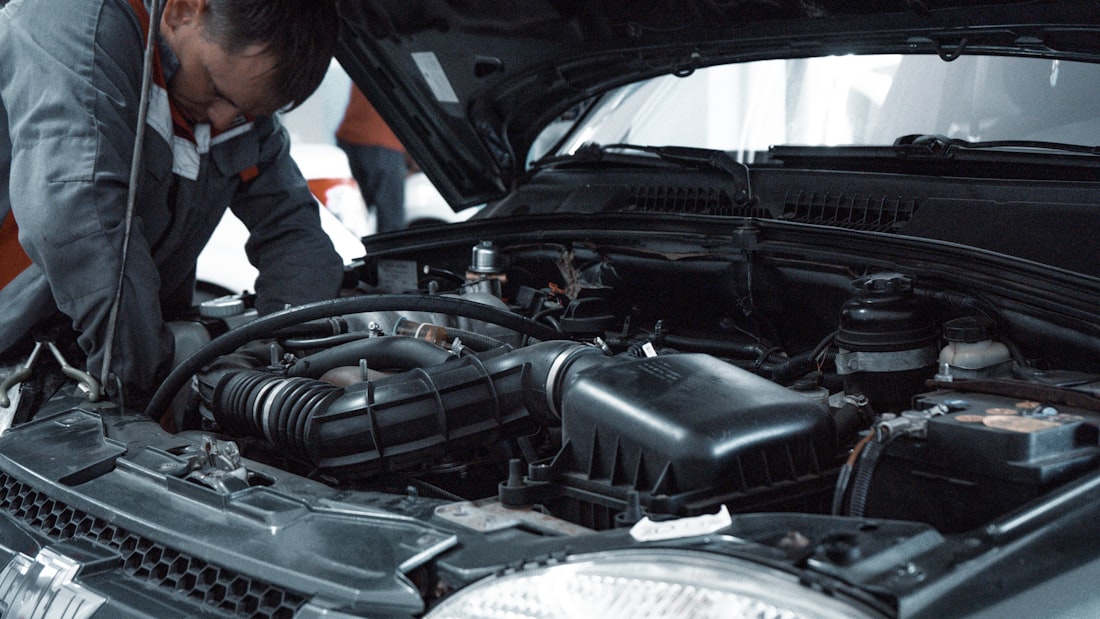
Budget AED 50 for a basic passenger car test at a Tasjeel centre, rising toward AED 220 for larger vehicles, commercial classifications, or vehicles requiring the fuller inspection. On top of the test fee sits the registration renewal itself, typically around AED 220 for a standard saloon plus a knowledge and innovation fee of AED 20. A straightforward pass takes fifteen to twenty-five minutes once you are in the bay; queuing is the variable. Centres at Al Quoz, Al Barsha, Al Twar, Ras Al Khor and Al Aweer get noticeably busier on Saturdays and in the final week before month-end, when registrations bunch up.
RTA also runs a doorstep testing service through its app, where an approved technician comes to your home or office in Business Bay, JLT, or wherever you park, for a fee in the AED 165–260 range depending on vehicle type. It suits people without time to sit in a queue, and it still issues the same digital pass that feeds through to registration renewal.
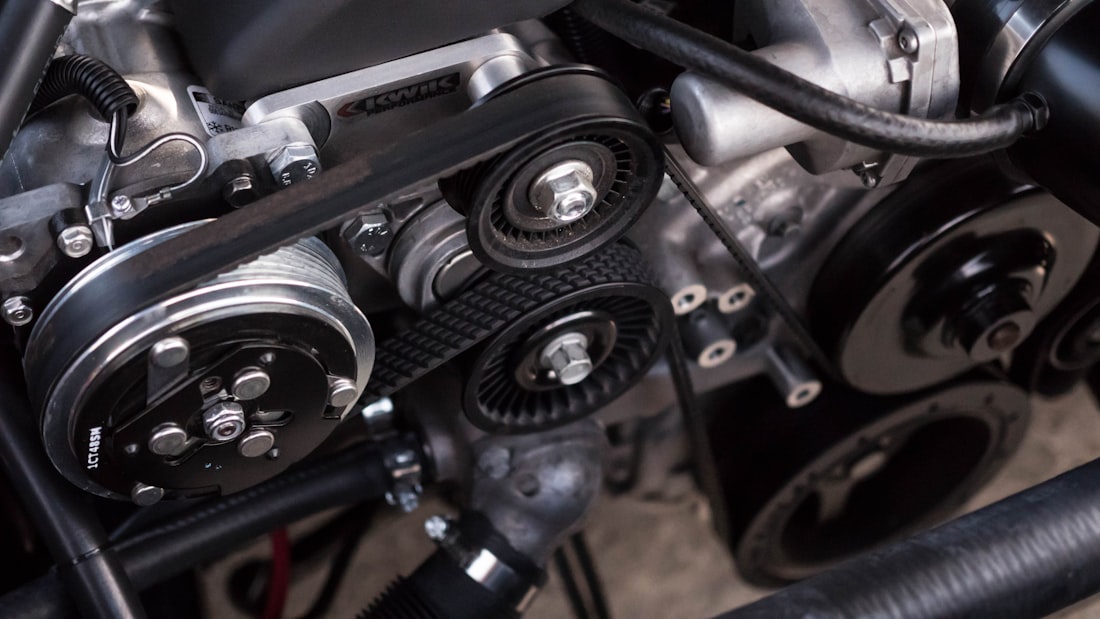
Testers see the same faults repeatedly, and knowing them saves a wasted trip and a second AED 50–220 fee.
Clear fines and confirm your insurance certificate is current before you drive in. Both are checked digitally against your Emirates ID and plate number, so there is no talking your way past either one.
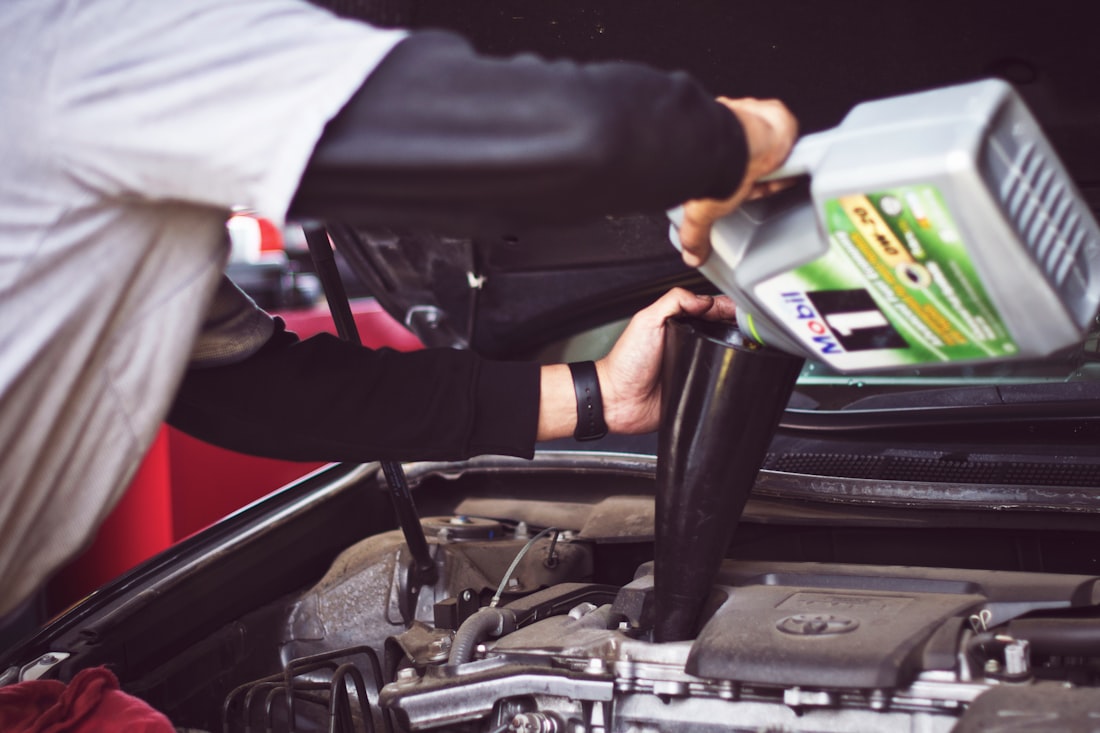
Pre-purchase inspection is a private, unregulated-by-RTA service delivered by DED-licensed garages and specialist inspection companies, many operating out of Al Quoz's workshop clusters or Ras Al Khor. Expect to pay AED 300–600 for a proper inspection: an OBD-II diagnostic scan for stored fault codes, a compression or leak-down check, a look at the undercarriage on a lift for chassis damage or corrosion, brake and suspension wear assessment, and a test drive to catch gearbox hesitation or steering pull that a stationary check misses. Anything cheaper than AED 200 is usually a visual walk-around, not a mechanical inspection, and won't catch a rebuilt salvage vehicle or a flood-damaged one.
Before you even book a physical inspection, spend the AED 30 or so on an RTA vehicle history check through the RTA app or website using the chassis number. It flags whether the car has been registered as a total loss, involved in a major accident, or reported stolen, and it takes minutes. It is not a substitute for a mechanical inspection, but it rules out an obvious bad buy for the price of a coffee.
A fair quote for a pre-purchase inspection states the make and model, confirms whether the check happens at your location or the garage's own bay, and lists exactly which systems are covered: engine, transmission, brakes, suspension, electrical, air conditioning, and bodywork alignment. It should promise a written report with pass, marginal, or fail against each system, not a verbal "it's fine." Ask whether photos are included, particularly of the chassis rails and any panel gaps that suggest prior accident repair. A company that hesitates when you ask for their DED trade licence number, or that can't confirm they use a diagnostic scanner and a vehicle lift rather than a torch and a guess, is not one to hand your deposit decision to.
One question separates competent inspectors from the rest immediately: ask how they verify accident history beyond a visual check. A proper operator cross-references the chassis number against RTA and insurance records, checks for mismatched paint thickness readings across panels using a paint depth gauge, and looks for overspray in the boot and engine bay. If the answer is "we just look at it," keep the AED 400 and go elsewhere.
Demand for both services spikes at predictable points. Registration renewals cluster at month-end and around the post-summer return in September, when residents who left the car idle for two months during the heat come back to expired documents and flat batteries. Used car sales, and therefore pre-purchase inspections, peak from October through March, the cooler months when more people are shopping and test-driving. If you're renewing registration in late August or early September, book a Tasjeel slot rather than walking in, since queues stretch well past an hour. Driving with an expired registration in Dubai carries a fine north of AED 500 plus impound risk, so the ten minutes spent booking ahead is worth more than it looks.
Discover the world of Häagen-Dazs - delicious, premium ice cream made with only...
Contemporary, modern and elegantly understated, the Mövenpick Hotel Jumeirah La...



 Log in with Google