Article by:
DubaiDirectory

Welcome to a spectacular desert paradise. Nestled among the dunes, the low-lyin...

Typing "cargo service near me" usually means one of three things: you're sending household goods or a few boxes home, you run a small business shipping commercial stock, or you need something cleared through Dubai Customs in a hurry. The right company, the right price, and the right paperwork are different for each, so start by being clear on which one you are.
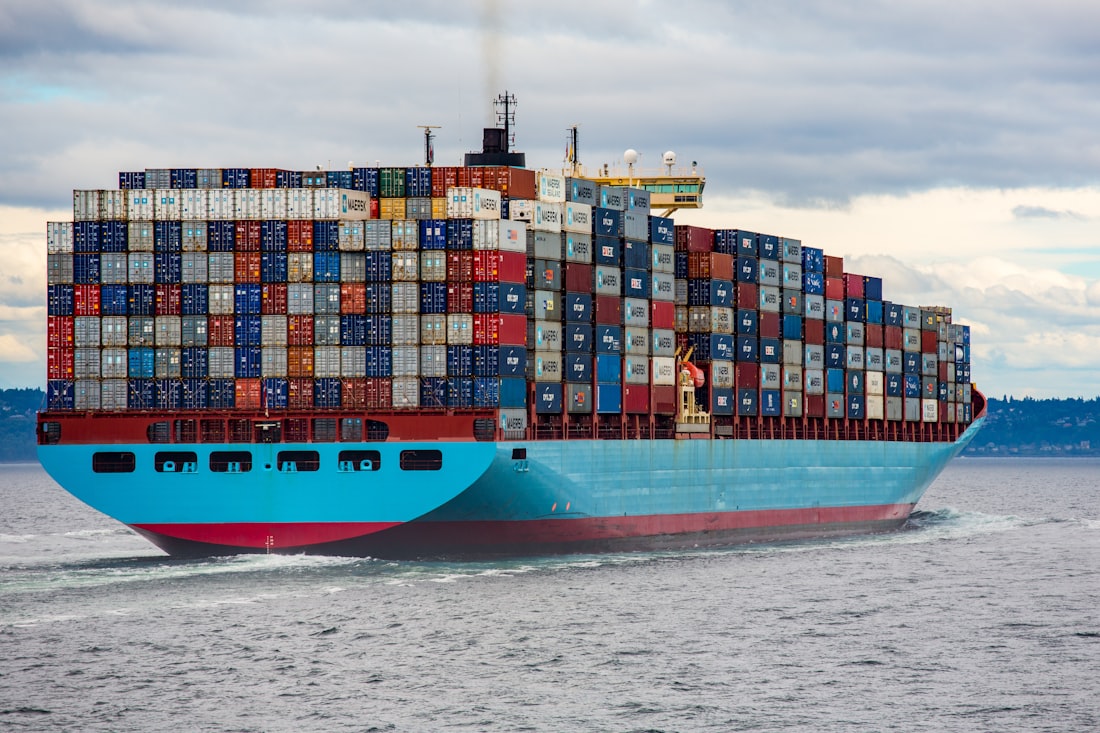
Sea cargo is the default for anything bulky and non-urgent, especially to South Asia, and it's booked either as a full container (FCL) or as shared space in a consolidated container (LCL, sometimes called groupage). Air cargo is faster and priced by weight, used for documents, spare parts, samples, or anything time-critical. For household effects, most residents in Dubai still use the old-fashioned barrel or wooden box system out of Deira, which is really LCL sea freight dressed up in a familiar format for routes to India, Pakistan, Bangladesh, Sri Lanka and the Philippines.
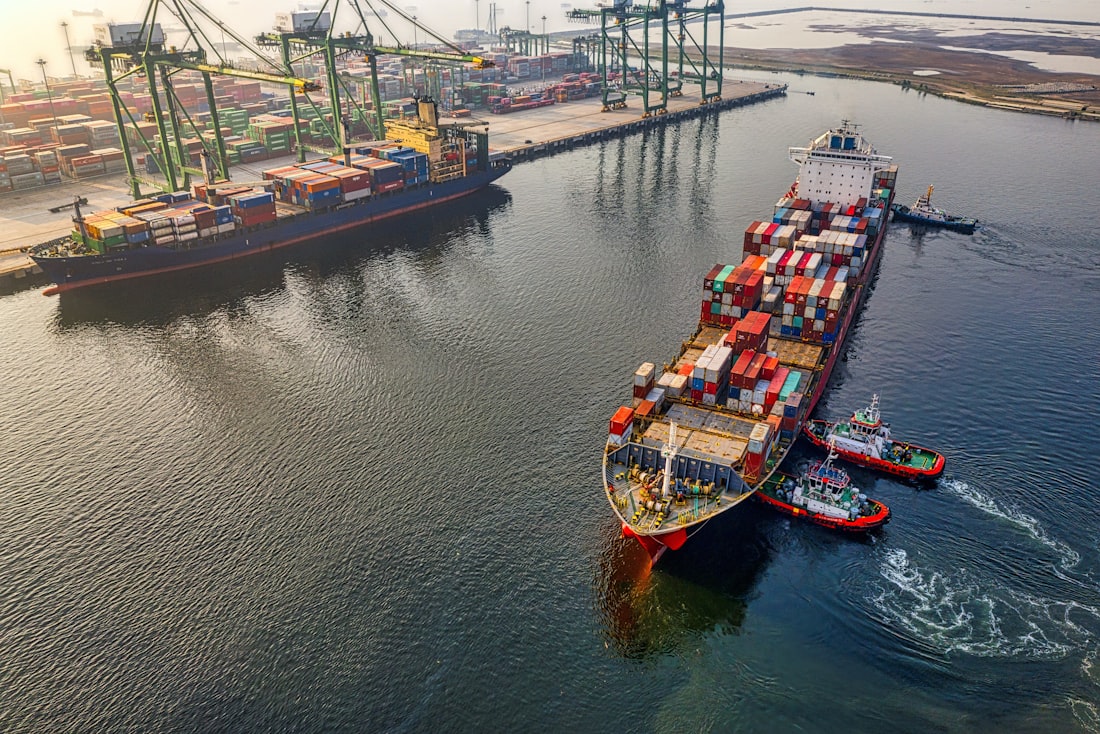
The price difference is significant. A standard LCL shipment to Kochi or Chennai runs roughly AED 15–30 per cubic foot depending on the season and the port pair, meaning a typical 40-cubic-foot personal effects shipment (a few boxes and a mattress) lands somewhere between AED 700 and AED 1,400, door to port. Air freight for the same weight of cargo, if it's under 50kg, is usually priced at AED 12–20 per kg with a minimum charge, so it only makes financial sense for small, urgent, or high-value items. Full container loads (20ft) to major Gulf-adjacent or Asian ports typically start around AED 3,500–6,000 depending on destination and whether you're shipping from Jebel Ali or a private yard.
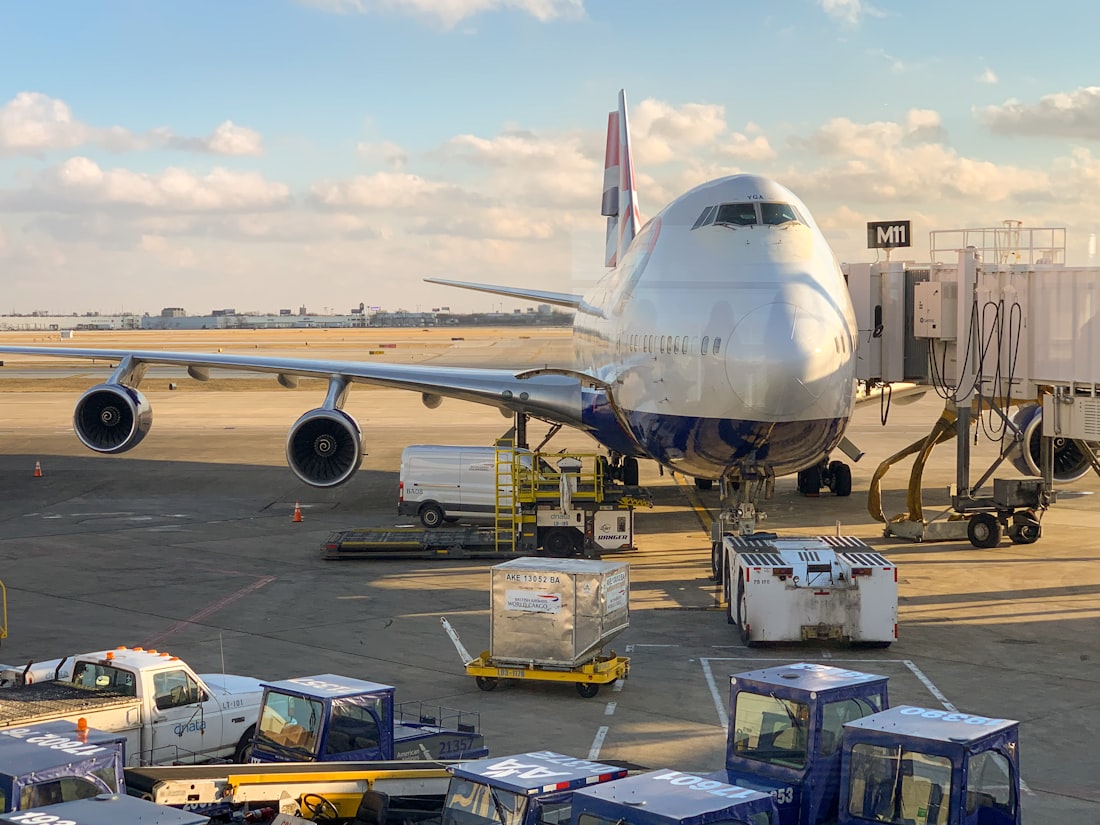
Dubai's cargo trade is geographically lumpy, and knowing this saves time. The Deira Naif and Al Ras area, close to the Dubai Creek, is dense with small-to-mid-size cargo and courier agents specialising in barrel and box shipments to the Subcontinent — this is where competitive pricing and personal-effects expertise live, but it's also where unlicensed operators cluster. Al Quoz and Ras Al Khor host larger freight forwarders and bonded warehouses handling commercial LCL and FCL, often with proper customs brokerage in-house. For anything moving by sea in volume, the actual port operations happen at Jebel Ali, and any forwarder worth using will have a Jebel Ali Free Zone (JAFZA) or Dubai Customs code, even if their sales office sits elsewhere. Air cargo clears through Dubai South near Al Maktoum International or through the cargo village at DXB, and the agent you deal with should be an IATA-registered cargo agent if air freight is involved.
A proper cargo quote is never a single number. It should break out ocean or air freight, origin handling (pickup, packing, loading), destination handling, customs clearance at both ends, and — critically — who is responsible for duty at the destination. Ask specifically whether the quote is door-to-door or door-to-port; a lot of disputes happen because the customer assumed clearance and last-mile delivery were included when they weren't. For commercial cargo, the quote should also state the Incoterm (FOB, CIF, EXW) because that single term determines who pays for what and where liability shifts.
A legitimate operator will also ask you questions before quoting: the nature of the goods, approximate weight and volume, whether anything is restricted (batteries, liquids, food items, or anything requiring a permit), and your destination country's import rules. If a company quotes a flat all-in price without asking any of this, treat it as a guess, not a quote.
For personal effects shipments, you'll generally need a copy of your passport, a packing list (even a rough one), and if you're shipping from a UAE company account rather than a personal shipment, a trade licence copy. For commercial cargo, Dubai Customs requires a commercial invoice, packing list, certificate of origin where relevant, and the shipper's DED or free-zone trade licence number tied to a customs code — cargo cannot legally clear without this, no matter how small the shipment. If you're moving goods out of a free zone like JAFZA or DAFZA into mainland UAE, that's technically an import and requires separate clearance even though both points are inside Dubai; this catches a lot of small business owners out.
Ask for their Dubai Customs broker code or IATA cargo agent number and watch how quickly it's produced — a real forwarder has this memorised or on a business card. Ask what happens if the shipment is held at destination customs for inspection, and whether that cost is yours or theirs; a company that hasn't thought about this hasn't shipped much. Ask for a tracking reference at the point of booking, not after you've paid, since agents without proper systems often can't provide one until the container has already sailed, by which point you have no leverage.
Cash-only deals with no printed receipt, no company letterhead, and no fixed office address are still common in parts of Deira for barrel shipments, and while many of these operators are perfectly experienced, you have no recourse if goods go missing. If the value of what you're shipping matters to you, pay by card or bank transfer to a company account and insist on a receipt showing the company's trade licence number.
The predictable failure points are seasonal. October through February is peak season for both air and sea cargo out of the UAE, driven by holiday shipping to South Asia and year-end business freight; expect rates to rise 15–25% and transit times to stretch, so book two to three weeks ahead rather than the usual few days. Ramadan and the deep summer months (June–August) are quieter and cheaper, but also when staff shortages at smaller agents cause delays in paperwork processing.
The other common failure is destination customs holds, usually triggered by an incomplete or mismatched invoice, or by shipping restricted items without declaring them. Batteries, cosmetics, and certain foodstuffs are the recurring culprits in personal shipments. A forwarder who has handled your specific destination country regularly will flag these before booking; one who hasn't will find out when your shipment is already stuck in a bonded warehouse accruing storage fees.
Freight forwarders in Dubai rarely include cargo insurance by default — liability under standard terms is minimal, often capped at a nominal amount per kilo, nowhere near replacement value. For anything above a few thousand dirhams in value, ask for a separate marine or air cargo insurance quote, typically 0.3–0.6% of declared value. It's a small add-on next to the freight cost and the only real protection if a container is damaged or a shipment is lost in transit.
Welcome to a spectacular desert paradise. Nestled among the dunes, the low-lyin...
Stay in a modern skyscraper that shares the neighbourhood with Burj Khalifa.



 Log in with Google