Article by:
DubaiDirectory

The World famous Barasti Beach Bar has always been one of the city’s most vibra...

The single fact that matters most before you get a quote: anyone installing CCTV in Dubai for payment must be licensed by SIRA, the Security Industry Regulatory Agency, which sits under Dubai Police. This isn't a formality you can skip. If the installer can't give you a SIRA licence number you can check against the Dubai Police app, you're hiring someone doing it off the books — and if you run a business, that gap can block your trade licence renewal later.
SIRA regulates who can sell, install and maintain CCTV, alarms and access control across the emirate. A licensed company carries specific insurance, follows Dubai Police retention and resolution standards, and its technicians hold individual SIRA ID cards they should be able to show you on-site. Ask for the company's SIRA licence number before you book a survey, not after the quote arrives. Genuine installers give it without hesitation because it's printed on their invoices anyway.
This matters most for commercial premises. Jewellers, exchange houses, pawnbrokers, pharmacies, supermarkets and licensed liquor outlets face specific Dubai Police requirements on camera placement, resolution and footage retention — commonly a minimum of 30 days, rising to 90 for higher-risk categories. DED can and does ask for proof of compliant CCTV at licence renewal for these activities. An unlicensed installer either doesn't know this or won't put it in writing, and you find out the hard way when your renewal stalls.
Prices swing more on cabling difficulty and camera count than on brand. As a working guide: a basic 4-camera analog or IP system for an apartment, fully installed with a small DVR/NVR and a month of local storage, runs AED 2,500 to 4,500. A typical villa setup — six to eight cameras covering the driveway, garden, majlis entrance and back gate, 2TB of storage, decent 2–4MP resolution — sits between AED 6,000 and 10,000 depending on cable runs through walls and whether trunking needs to be painted to match.
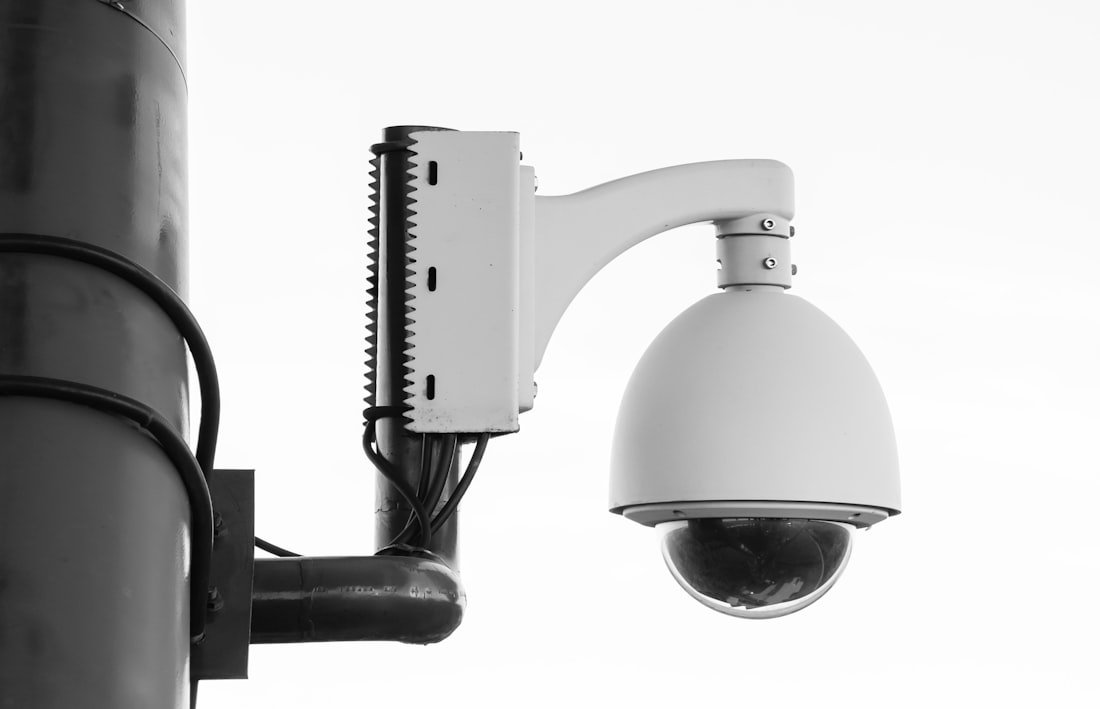
Commercial fit-outs move fast past that. A retail unit in Karama or a small office in Business Bay wanting eight to twelve cameras with remote viewing typically costs AED 12,000 to 20,000. Warehouses in Al Quoz or Ras Al Khor covering large open floors and yard perimeters, using PTZ (pan-tilt-zoom) cameras and longer cable runs or wireless bridges between buildings, land anywhere from AED 25,000 to 60,000+ — the range is wide because yard lighting, existing conduit and roof access all change the labour bill more than the equipment does.
A proper quote itemises: camera model and resolution per unit, cable type (CAT6 for PoE IP cameras, RG59 coax for older analog runs), the NVR/DVR model and storage capacity in TB with an estimate of retention days at your camera count, labour for cabling versus wireless where applicable, and a line for testing and handover with a demonstration of remote app access. If a quote is a single lump figure with no breakdown, that's usually a sign the installer is pricing on guesswork or padding the labour to cover for underquoting the hardware.
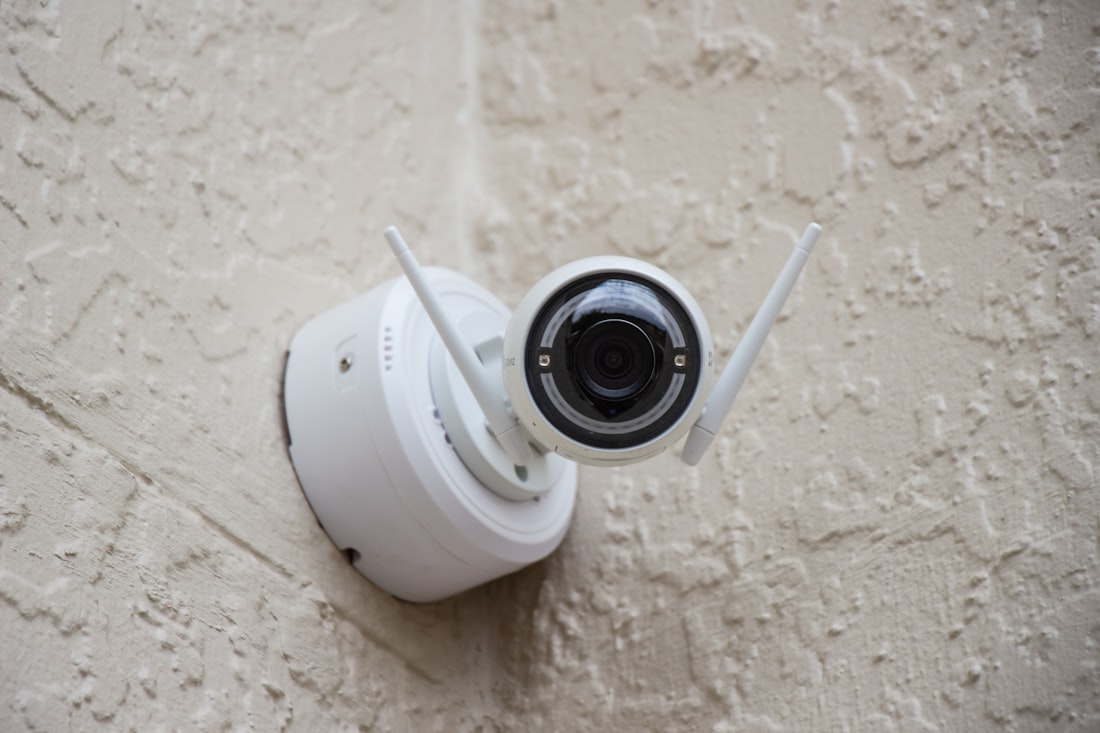
Villas in areas like Arabian Ranches, Al Barsha or Jumeirah give installers the most freedom: exterior walls to drill, roof access for a good vantage point, and usually no building management to negotiate with. The main decision is analog with coax (cheaper, fine for most residential needs) versus IP over PoE (better image quality, easier to expand later, costs 20-30% more).
Apartments in towers across Dubai Marina, JLT or Business Bay are a different problem entirely. Building management almost always restricts drilling into common-area walls or corridors, and external cameras on balconies facing shared spaces can breach the building's own rules — check with the owners' association or facilities management before booking anyone. Many apartment jobs end up as door-facing cameras inside the unit plus a video doorbell, wired through existing trunking rather than fresh holes. If your landlord's Ejari doesn't mention alterations, get written permission before any drilling starts; disputes over wall damage at move-out are common and entirely avoidable.
Warehouses and yards in Al Quoz, Ras Al Khor or the free zones around JAFZA need a site survey, full stop — no reputable installer quotes a warehouse job over the phone. Distances between cameras and the NVR often exceed standard cable limits, meaning fibre runs or wireless point-to-point links, and outdoor housings need an IP66 or IP67 rating to survive summer heat and the occasional sandstorm without the seals failing.
Local NVR/DVR storage is cheaper upfront and doesn't depend on your internet connection, but if someone steals the unit itself, footage goes with it — a real consideration for ground-floor villas and small shops. Cloud storage (many mid-range IP systems now offer it as a subscription, typically AED 20-60 a month per camera) protects footage even if hardware is stolen or damaged, and lets you pull clips remotely for a police report without arranging site access. For businesses with a Dubai Police retention obligation, ask specifically whether the cloud tier you're being sold meets the required retention window — some budget cloud plans only keep seven days of footage, which won't satisfy a 30-day requirement.
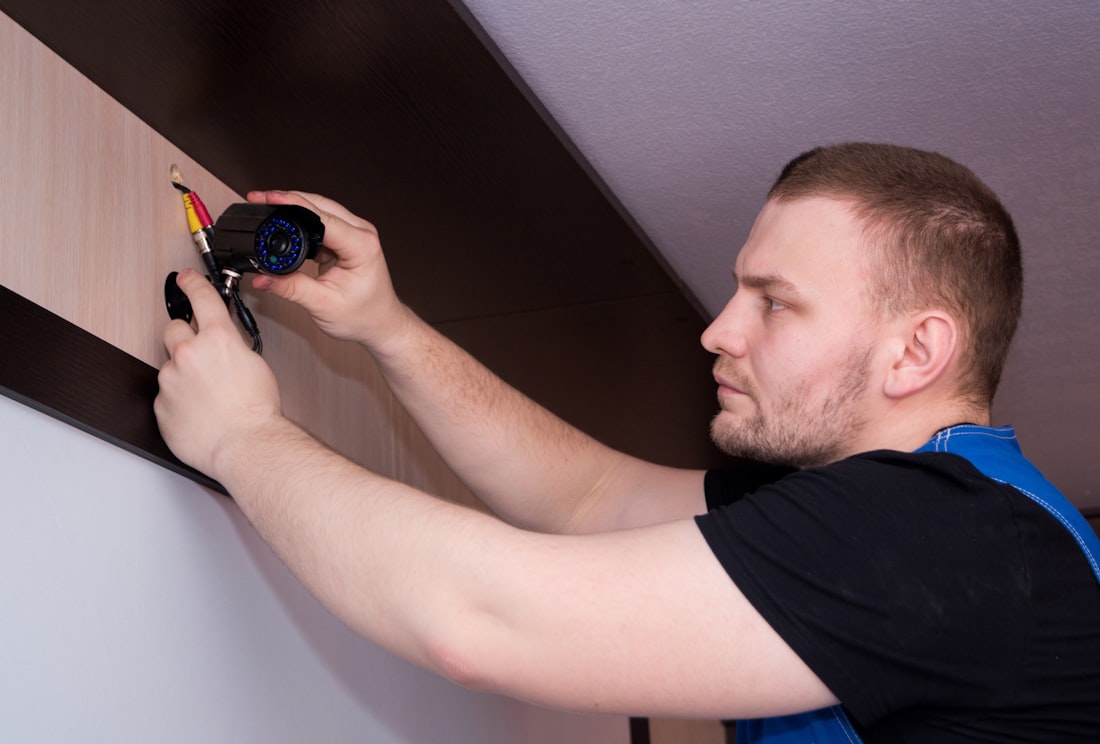
An installer who hesitates on the SIRA question, quotes night vision without mentioning infrared range in metres, or has never heard of an AMC is probably a hardware reseller moonlighting as an installer, not a security company.
Most CCTV failures in Dubai show up in July and August, not because the equipment is bad but because cheap outdoor housings and connectors degrade under sustained 45°C-plus heat and direct sun, especially on west-facing walls. Cameras mounted without adequate shade lose picture clarity within a year and sometimes fail outright. If your installer doesn't ask about the camera's facing direction and sun exposure during the survey, expect a callout within twelve months. Booking installation or a full system service in October or November, ahead of the next summer, is cheaper and avoids the peak-season backlog that hits installers every June.
Finally, get everything in writing: camera count and model numbers, storage capacity, warranty period (most reputable installers offer one to two years on parts, sometimes three on the NVR), and what an AMC costs if you don't take one at installation. A system without a service plan tends to be forgotten until it fails at the exact moment you need the footage — which is usually the whole point of having it installed in the first place.
Pearl Marina Hotel Apartments, captures the essence of modern and stylish livin...


 Log in with Google