Article by:
DubaiDirectory

Each of the spacious luxury rooms and suites cater to the guests needs & offer ...

The first thing that determines your price is not tonnage — it's whether the job needs a mobile crane for a few hours or a tower crane for the length of a build. These are different markets with different suppliers, different contracts, and different failure modes, and conflating them is how people end up either overpaying for a one-off lift or under-provisioning a twelve-month build.
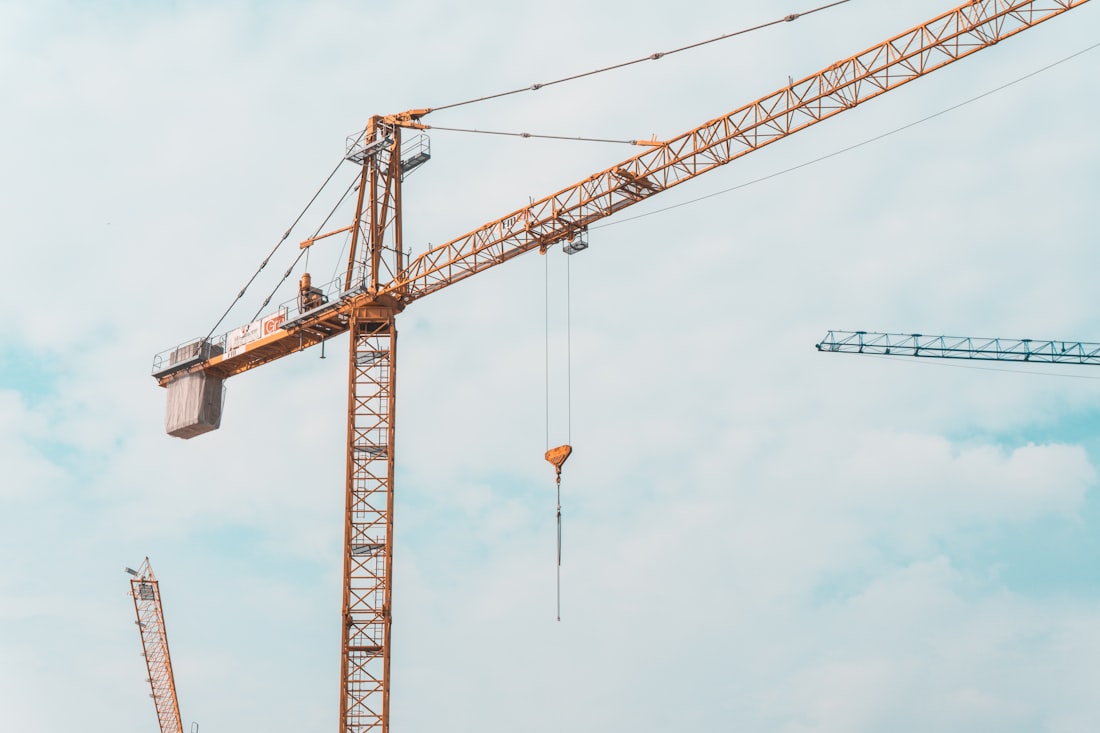
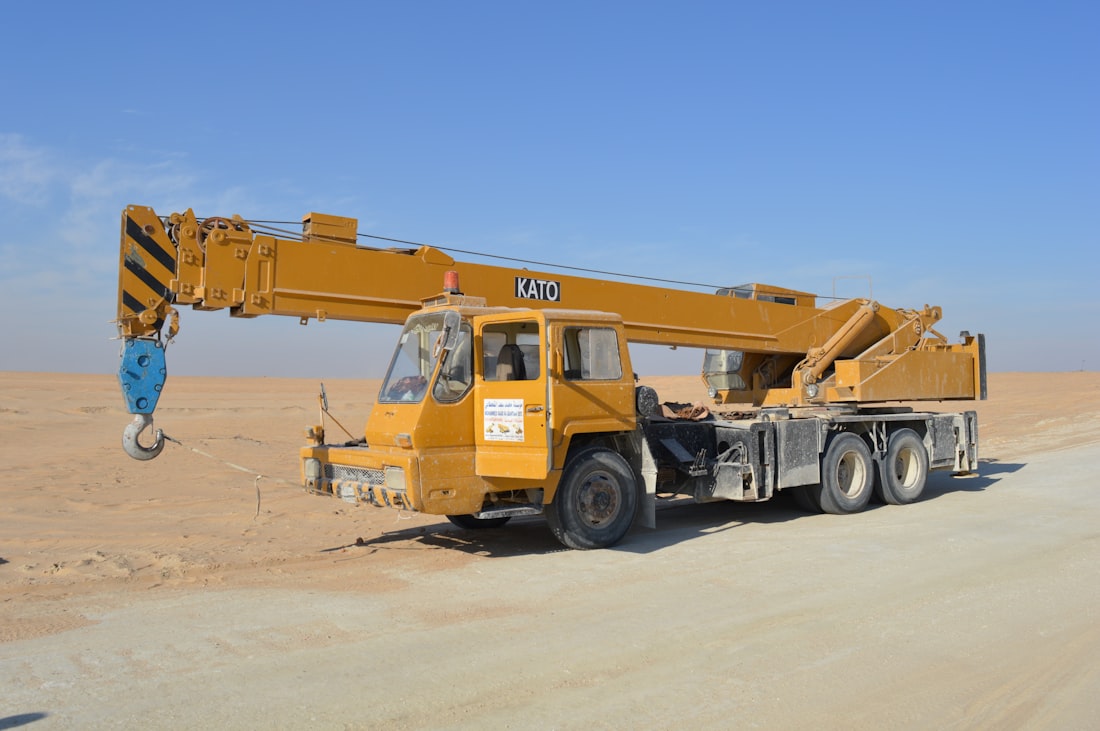
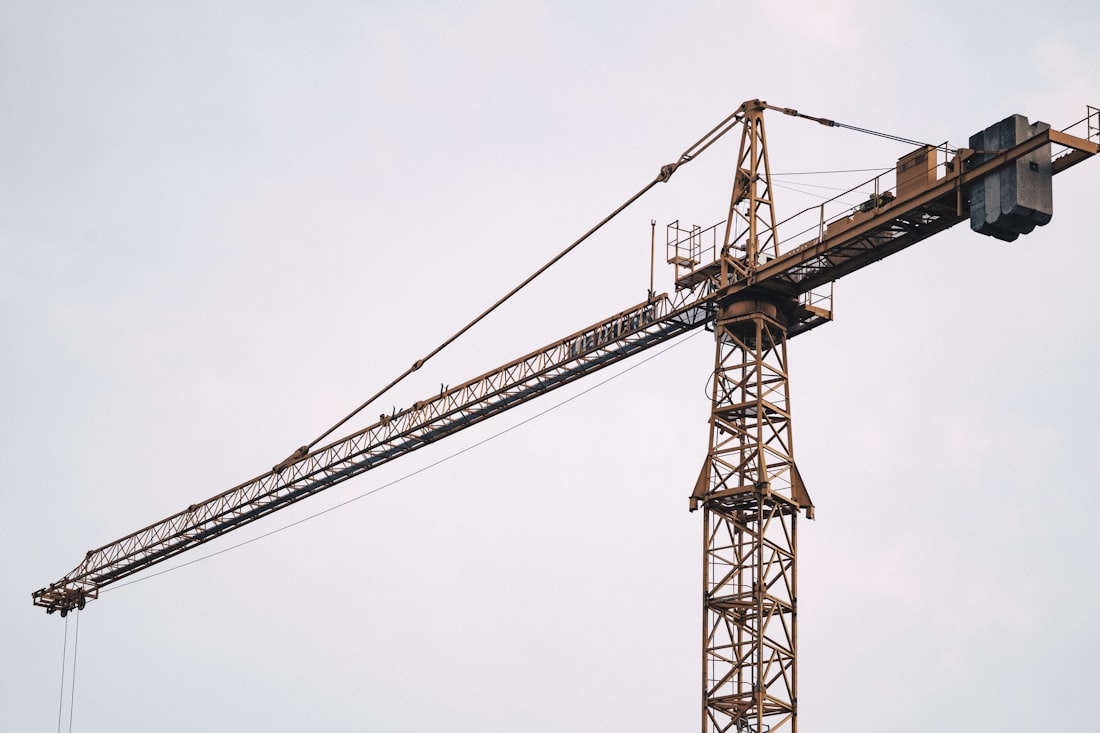
Mobile cranes (usually all-terrain or rough-terrain units on hydraulic booms) are hired by the day or the shift for tasks like placing AC condensers on a Jumeirah villa roof, lifting steel beams into a warehouse in Al Quoz, or setting precast panels in Business Bay. Tower cranes are a construction-project fixture, erected on site for the duration of the build and billed monthly, with separate one-off charges for erection, climbing (as the building rises), and dismantling.
For mobile cranes, expect roughly AED 1,800–2,500 per day for a 25-tonne unit with operator, AED 3,500–5,000 for 50 tonnes, and AED 7,000–10,000 for 100 tonnes and above. These figures usually include the operator and fuel but not always the banksman/rigger — ask, because a competent rigger on the ground is often the difference between a clean lift and an incident, and adding one costs AED 150–300 a day. A half-day minimum is standard; very few companies will hire a crane for under four hours regardless of what the job actually needs.
Tower cranes are quoted monthly, typically AED 25,000–45,000 depending on jib length, lifting capacity, and how long the contract runs — shorter contracts cost more per month because the supplier has to recover erection costs faster. Erection and dismantling are billed separately, commonly AED 40,000–70,000 combined, and climbing the crane as the structure rises (adding mast sections) is charged per lift, often AED 8,000–15,000 a time. Mobilisation of a mobile crane from the yard to your site — arranging escort vehicles, route permits, and low-loader transport for anything over roughly 40 tonnes — adds AED 2,000–5,000 depending on distance and whether the unit has to travel through Salik gates or restricted corridors.
What moves these numbers most is timing, not location. Book a 50-tonne mobile crane with two days' notice during Ramadan or the January–March peak construction season and you'll pay a premium, sometimes 20–30% above the quoted range, because every contractor in the emirate is trying to close out phases before the summer heat rules and the slower August period. Book the same crane for a random Tuesday in July and rates soften noticeably.
Every crane rental company operating legally in Dubai needs a DED trade licence covering equipment rental or contracting, and — critically — the crane itself needs a valid Third Party Inspection (TPI) certificate, renewed annually, confirming it's structurally sound and safe to operate. Ask to see the current TPI certificate before the crane arrives, not after. This inspection typically costs the rental company AED 3,000–6,000 per unit and is a cost baked into your day rate; a supplier offering rates well below market has often skipped it, or is running on an expired certificate and hoping nobody checks.
The crane operator needs a valid RTA or Dubai Municipality-recognised operator licence specific to the class of crane being used — a licence for a mobile crane doesn't cover a tower crane, and vice versa. If your site sits within a free zone with its own planning authority, such as Jebel Ali or the Palm, approvals run through Trakhees rather than Dubai Municipality, and the crane company needs to know which jurisdiction it's working under before it turns up, because the paperwork differs.
Moving an oversized mobile crane through Dubai's streets requires an RTA road permit, arranged in advance and costing roughly AED 500–1,500 depending on the route and whether police escort is required for the widest loads. This is the permit that catches people out: book a crane for 7am on a Monday without confirming the transport permit is in hand, and the unit simply doesn't arrive, because RTA doesn't issue same-day approvals for abnormal loads as a rule. A properly run supplier handles this as part of the quote; an under-resourced one will ask you, halfway through the week, to sort it yourself.
Ask for the crane's TPI certificate date and the operator's licence number — a legitimate company produces both without hesitation. Ask what their third-party liability insurance covers; main contractors on serious sites typically require a minimum of AED 5 million cover, and a supplier who can't state a figure probably doesn't carry adequate cover. Ask who provides the lifting plan for anything non-routine, such as a lift near overhead power lines or within a few metres of an existing structure — a proper supplier insists on a written lifting plan and a banksman for anything outside a straightforward pick-and-place, and treats this as non-negotiable rather than an upsell.
Between mid-June and mid-September, the UAE's mandated midday break (roughly 12:30pm–3pm) applies to outdoor manual labour across every emirate, and while it targets ground crews rather than crane operators specifically, it reshapes the whole lifting schedule around it — riggers and banksmen can't work through that window, so lifts get compressed into morning and late-afternoon slots. Wind is the other summer variable: most mobile crane operations stop above roughly 40–50 km/h sustained wind, and Dubai's shamal wind events in spring and early summer can shut a site down for a half-day with little notice. A reasonable supplier builds this into the schedule; an inexperienced one quotes a day rate and then charges you again when the lift slips to the next available slot.
The most common failure isn't the crane — it's the ground. A mobile crane's outriggers need a certain bearing capacity, and sites in reclaimed or recently backfilled areas (parts of the Marina waterfront, sections of Dubai South) sometimes can't take the load without steel matting underneath, which the supplier should identify during a site survey before quoting, not discover on lift day. If a crane sinks or tips because ground conditions weren't checked, liability generally sits with whichever party was responsible for the site survey under the contract — which is exactly why a proper quote states, in writing, who conducted that survey.
The second common failure is overloading through a poor lift plan — attempting a pick that exceeds the crane's rated capacity at that particular boom angle and radius, which varies constantly as the boom moves and isn't the same figure as the crane's maximum stated tonnage. This is why the load chart, not the tonnage on the brochure, is what actually matters, and why an operator who can't explain the load chart for your specific lift shouldn't be running it.
Geographically, the practical differences are real. Al Quoz and Ras Al Khor have wide industrial roads and few access restrictions, so mobile crane mobilisation is straightforward and cheap. JLT, Dubai Marina, and Business Bay involve tight access roads, existing traffic management, and sometimes RTA-mandated road closures for the lift window itself, which adds cost and lead time — budget an extra AED 1,000–3,000 for traffic management permits in these areas. Older, denser districts like Deira and Karama often have narrower streets and overhead cabling that rule out larger mobile units entirely, meaning a smaller crane with a longer reach, at a higher relative cost per tonne, is sometimes the only workable option.
Each of the spacious luxury rooms and suites cater to the guests needs & offer ...
Emirates Golf Club offers the sublime international championship Majlis course ...



 Log in with Google