Article by:
DubaiDirectory
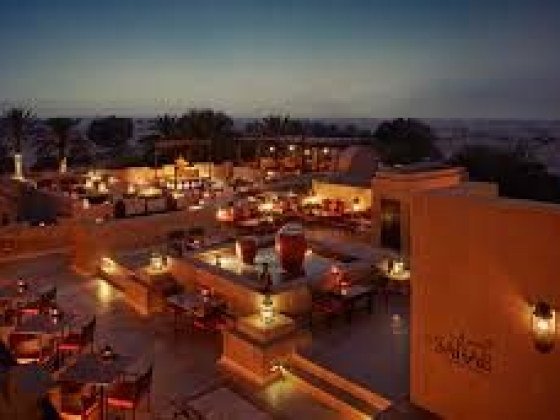
Welcome to a spectacular desert paradise. Nestled among the dunes, the low-lyin...

Most people typing "design dubai" into Google are looking for one of two things: an interior designer for a home or office, or a fit-out contractor to actually build it. In Dubai these are often the same company, and that matters, because a design-only studio without a DED contracting licence cannot legally carry out construction works, only specify them. If a designer quotes you a full renovation price without mentioning who holds the contracting licence, ask before you pay anything.
A serious design or fit-out proposal in Dubai will separate design fees from construction costs, and it will name a rate per square foot for the fit-out itself. For a standard apartment fit-out (paint, flooring, joinery, basic electrical and lighting changes) expect AED 150-350 per square foot depending on finish level. A full villa renovation with structural changes, new bathrooms and kitchen runs AED 400-900 per square foot. Commercial office fit-outs in Business Bay or DIFC-adjacent towers typically land between AED 180-450 per square foot depending on whether it's a shell-and-core Category A base or a full Category B fit-out with meeting rooms, cabling and bespoke joinery.
Design fees on top of that are usually charged one of three ways: a flat fee (AED 15,000-80,000 for a full apartment or small office, scaling up sharply for villas and large commercial spaces), a percentage of construction value (8-15% is normal), or an hourly rate for consultation-only work (AED 250-600 per hour for a senior designer). Any studio that refuses to separate these numbers, or that wants 100% payment upfront rather than the usual 30/40/30 staged structure tied to design approval, material delivery and completion, is not one you should be trusting with a deposit.
Companies licensed through a Dubai free zone (JAFZA, DMCC, IFZA and similar) can design and sometimes build within that free zone or export their services, but they generally cannot take on a fit-out contract inside a mainland building or a private villa without a mainland trade licence or a local service agent arrangement. If you're fitting out an office in JLT or a villa in Al Barsha, ask directly: "Is your company mainland-licensed for contracting, or free zone?" A studio that hesitates on this question is either inexperienced with Dubai's structure or working through an undisclosed subcontractor, which means you lose direct recourse if something goes wrong.

Any fit-out inside a leased apartment or office needs a No Objection Certificate from the building's landlord or owners' association before work starts, and most towers also require the contractor to be pre-approved on the building's own contractor list. In Dubai Marina, JLT and Business Bay towers this can add two to four weeks to a project timeline if your chosen contractor isn't already on file with the building management. For anything involving electrical load changes, a DEWA NOC is required, and commercial spaces with more than a handful of workstations typically need Dubai Civil Defence sign-off on fire and safety systems before occupancy. A competent design-and-fit-out company handles all of this as part of the project management fee; if a quote doesn't mention NOCs, building approvals or Civil Defence at all, assume the timeline they've given you is fiction.
Ejari registration matters here too, indirectly. If you're renovating a rental property, your tenancy contract needs to be Ejari-registered and, in most buildings, the landlord's written consent for alterations attached to that registration before management will even issue an NOC. Sort this paperwork before you start pricing furniture.
Al Quoz remains the practical centre of gravity for anyone furnishing or fitting out a space: its warehouses hold joinery workshops, upholstery specialists, custom furniture makers and design showrooms side by side, and most fit-out contractors either have a workshop there or a close relationship with one. This matters for cost — a joinery piece sourced and made in Al Quoz typically runs 30-50% less than the same piece specified through a Business Bay design studio's imported supplier catalogue. If your designer's quote is heavy on imported furniture with no local-make alternative offered, ask why.
For branding, graphic and digital design work, Dubai's agencies cluster more around Media City, JLT and Business Bay, and pricing there runs differently: a small business logo and brand identity package typically costs AED 3,000-12,000, while a full website design and build sits at AED 8,000-40,000 depending on complexity and whether it's a template build or bespoke.
Ask to see the DED trade licence and check the licence number matches the company name on the quote — this takes thirty seconds on the Dubai Economy and Tourism website and catches more problems than any amount of conversation. Ask who is personally accountable for site supervision day to day, because in larger fit-out firms your named designer often disappears once construction starts and you're left dealing with a site manager you've never met. Ask for two completed projects of similar scope you can actually visit or call the client for, not just photographs — photographs hide finish quality and timeline overruns equally well.
One more question separates the professionals cleanly: "What happens if materials are delayed at customs?" Dubai fit-outs regularly stall on imported stone, specific tile runs or European fittings sitting in Jebel Ali port clearance, sometimes for three to six weeks. A contractor with a real answer — buffer stock, approved local substitutes, contract clauses covering delay — has done this before. One who looks surprised by the question hasn't.
Demand for design and fit-out work peaks from September through March, tracking the new school year, tenancy renewal season and the winter events calendar that pushes commercial clients to refresh spaces before Q4. Contractors are booked out further in advance and less willing to negotiate during these months. June through August is genuinely quieter — many decision-makers travel, site conditions are harsher for outdoor and balcony work, but indoor fit-outs proceed normally and studios are considerably more open to discounting design fees or throwing in extras to keep crews busy. If your project has any flexibility, pricing it in July against a January start date can realistically save 10-20% on the design fee alone.
Welcome to a spectacular desert paradise. Nestled among the dunes, the low-lyin...
Galeries Lafayette is a unique shopping destination with French heritage at the...


 Log in with Google