Article by:
DubaiDirectory

We'll take you to the coast, even if you're miles from the water. Joe's Crab Sh...

Typing 'electrician near me' into Google in Dubai will surface a mix of one-man handyman operations, listing sites, and proper contracting companies, and the difference between them is not proximity. It's whether the person turning up is legally allowed to touch your wiring at all. In Dubai, fixed electrical work — anything beyond changing a bulb — is supposed to be carried out by a company holding a DED electrical contracting licence and, for anything connected to the supply or distribution board, approval from DEWA. A freelance electrician working solo out of a car, however competent he looks, is operating outside that framework. If his work causes a fire or a fatality, your insurance can refuse to pay out because the work wasn't done by an approved contractor, and you have almost no recourse against him personally.
This is the single most useful filter you have. Before anything else, ask whether the company is DEWA-approved for electrical contracting, and ask for the trade licence number. A legitimate company will give you both without hesitation, usually by WhatsApp, within a minute.
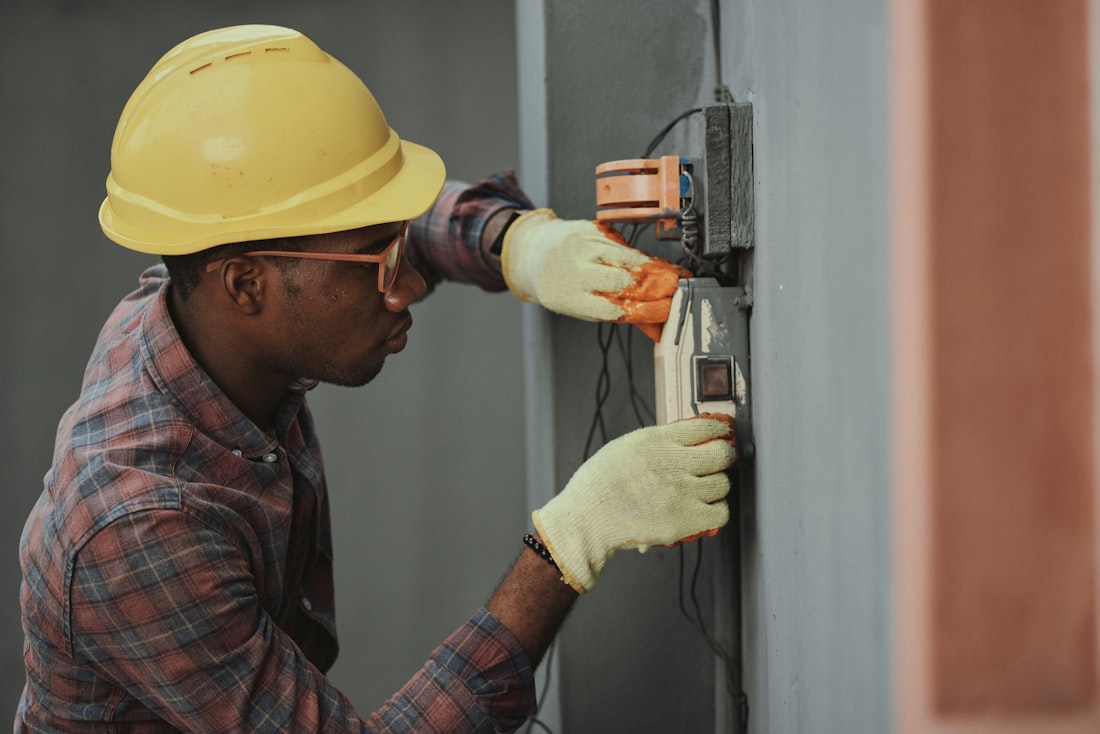
Prices move with the season and the job, but here's what a fair quote looks like in 2024 terms. A standard callout fee, which usually covers diagnosis and gets absorbed into the final bill if you proceed, runs AED 100–150. Replacing a socket or switch point costs AED 80–150 per point depending on whether it's a straightforward like-for-like swap or requires new cabling. Diagnosing a breaker that keeps tripping typically costs AED 150–300, since it involves isolating circuits one by one rather than a five-minute look. Installing a light fixture or chandelier runs AED 100–250 per fixture depending on ceiling height and whether a new junction box is needed.
Bigger jobs scale differently. A full rewire of a one-bedroom apartment sits around AED 3,000–6,000; a villa rewire, given the extra floor area and often outdated wiring, runs AED 15,000–40,000 or more. A distribution board upgrade — common in older properties where the existing DB can't handle modern AC and appliance load — costs AED 1,500–3,500. Emergency callouts outside normal hours, particularly a Friday night or during Ramadan, typically add AED 200–400 on top of the standard rate. Materials are usually billed separately from labour, and 5% VAT gets added at the end; a quote that doesn't mention VAT at all is worth double-checking.
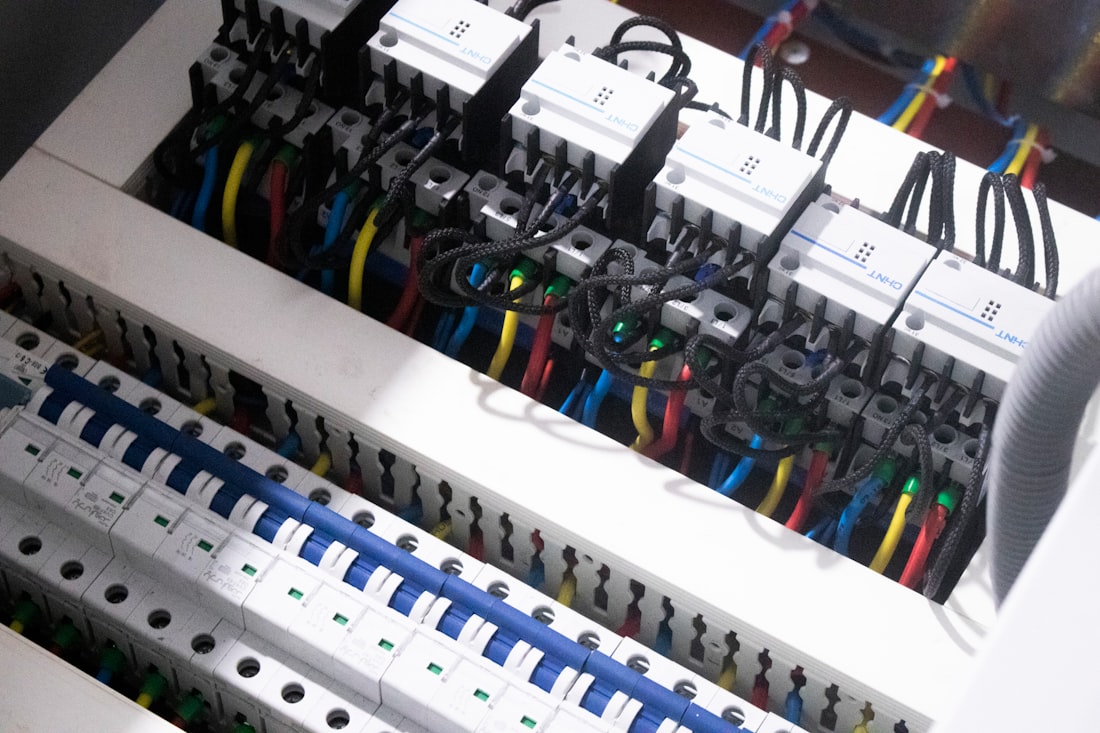
Two things move Dubai electrical pricing more than anything else: the season and the building's age. From May through September, AC systems run constantly and electrical faults spike — overloaded circuits, tripped breakers, and burnt-out capacitors on top of the aircon unit's own electrical draw. Electricians get booked solid during these months, response times stretch from same-day to two or three days, and rates for AC-related electrical work often rise 15–20% simply because demand outstrips supply. If you can schedule non-urgent work for October to April, you'll get faster response and slightly better pricing.
Building age matters just as much. Properties in Deira and parts of Bur Dubai built before the mid-1990s sometimes still run older fuse-based systems that don't meet current code, and adding a heavy load like a new split unit onto that setup without an upgrade is a common cause of tripped supply and, in worse cases, scorched wiring. Villas in older pockets of Jumeirah occasionally still have aluminium wiring from decades back, which needs a electrician who knows how to terminate it safely rather than treating it like modern copper. Newer towers in Business Bay, JLT and Dubai Marina have none of these problems, but they bring a different obstacle: building management. Most towers require any contractor working on common risers or anything touching the building's DB to be pre-approved by the facilities management team, and some won't let you bring in an outside electrician for in-apartment work at all if it involves the shared electrical room. Check with your building's FM office before booking anyone for anything beyond a socket swap.
A properly run job goes like this. You call or WhatsApp, describe the fault with a photo or short video if possible, and get a rough price range over the phone — a company that refuses to give any indication of cost before seeing the job in person isn't necessarily dishonest, but be wary if the range they eventually quote balloons far beyond what the described fault would justify. You get a callout window, usually two to four hours for same-day work in central areas, longer if you're in Al Quoz's industrial reaches or a quieter suburban pocket. The technician should arrive in a liveried vehicle or wearing a company ID, not turn up in a personal car with no markings.
Before touching anything, they diagnose the fault and give you a written quote — even a WhatsApp message with an itemised breakdown counts. This should specify labour, materials, and what's excluded, such as wall patching after cable work or repainting. Once you agree, work proceeds, and on completion you should get an invoice carrying the company's TRN (tax registration number) and a warranty period on the labour, typically 30 to 90 days. No invoice means no paper trail if something fails a week later.
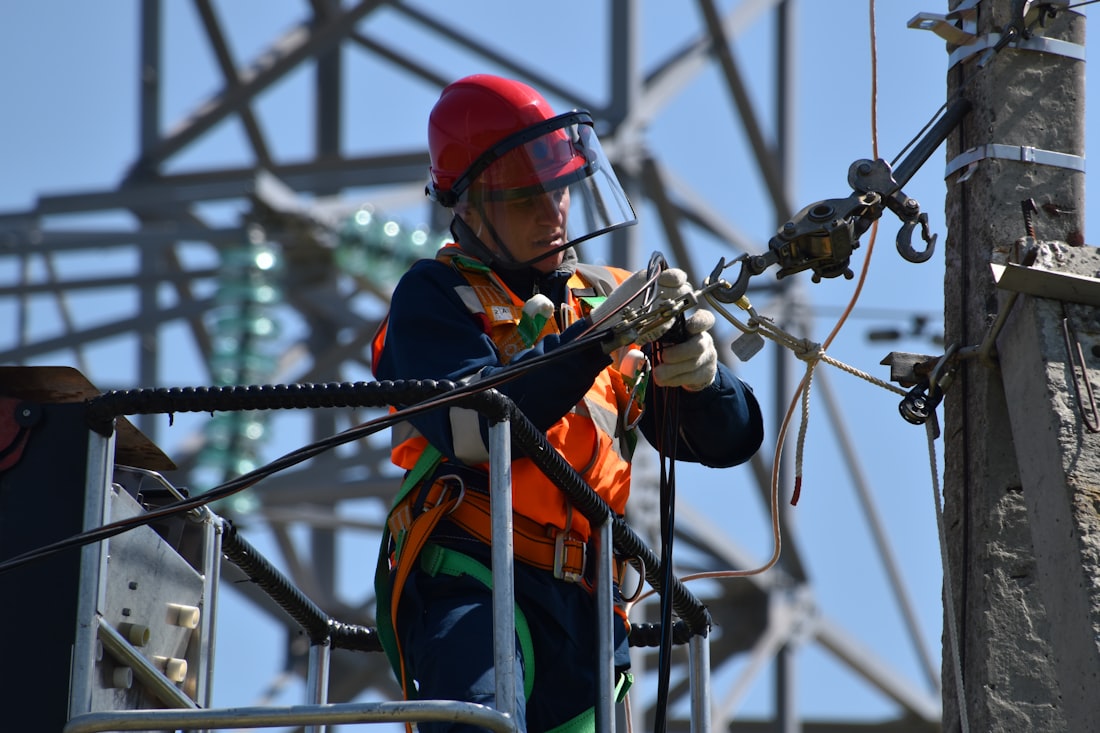
Ask these before you let anyone open your distribution board: Are you a DEWA-approved contractor, or working under a company that is? Can you show me your DED trade licence? What's the warranty on this work, and is it in writing? Is VAT included in the figure you've quoted? A qualified electrician answers all four without pausing. Someone dodging the licence question, quoting a round number with no VAT mentioned, or offering a 'guarantee' with no timeframe attached is not someone you want inside your consumer unit.
If you're a tenant, any electrical work beyond minor repairs generally needs the landlord's written no-objection, since Dubai rental law treats fixed electrical alterations as changes to the property itself, not your personal fittings. Doing significant work without that NOC can cost you your security deposit even if the work itself was fine, because you've altered the unit without consent. If you're a landlord, you're liable for the property's electrical safety under both DEWA regulations and general civil liability, so using an unlicensed handyman to save a few hundred dirhams is a poor trade against the cost of a fire investigation.
If a licensed contractor does substandard work, your first step is going back to the company directly with your invoice and photos — a reputable one will send someone back at no charge within the warranty window. If they refuse, DED handles consumer complaints against licensed businesses, and Dubai Municipality gets involved where there's a genuine safety hazard in a building. None of this works if you paid cash to someone with no invoice and no company name attached, which is the real cost of choosing the cheapest option that showed up on a map search.
We'll take you to the coast, even if you're miles from the water. Joe's Crab Sh...
Energise and unwind with our fabulous leisure and recreation facilities defined...



 Log in with Google