Article by:
DubaiDirectory

KidZania® is an award-winning children’s ‘edutainment’ concept, KidZania® combi...

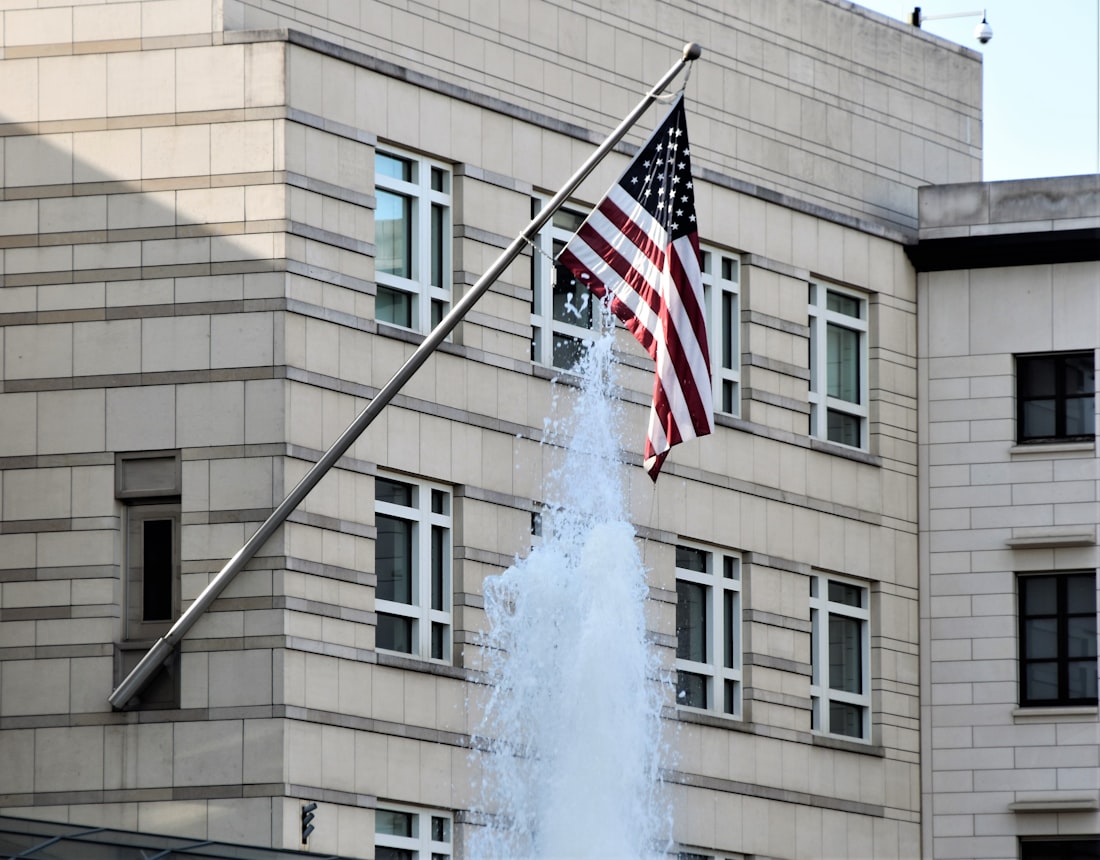
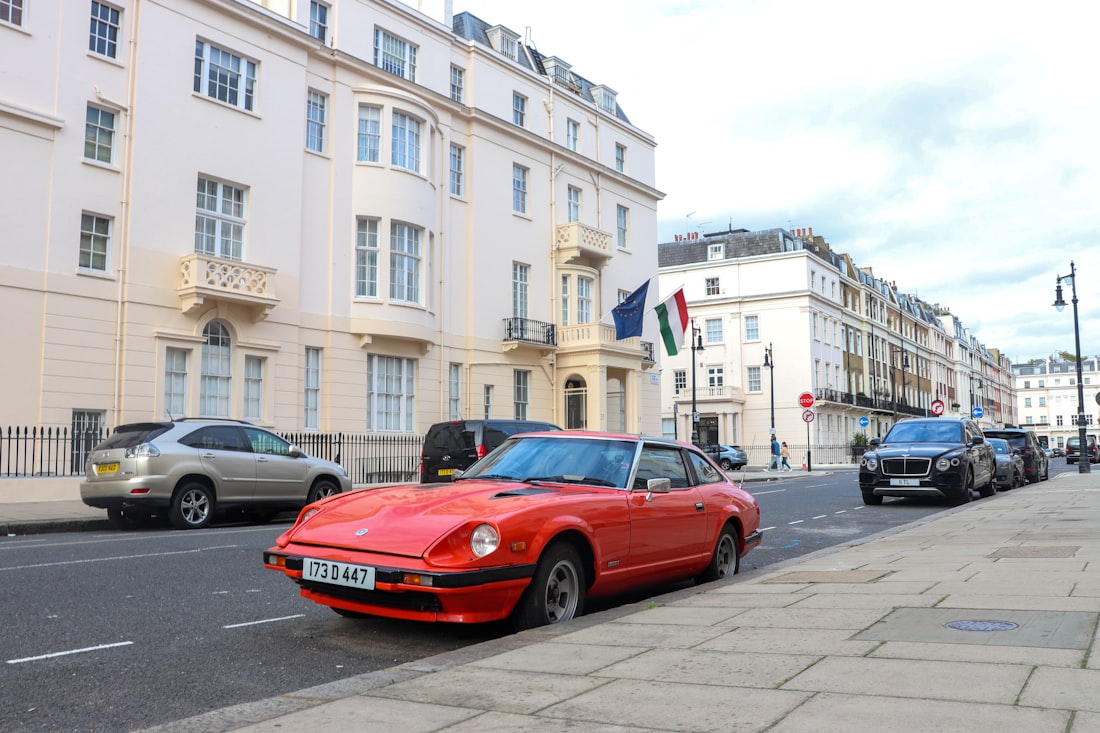
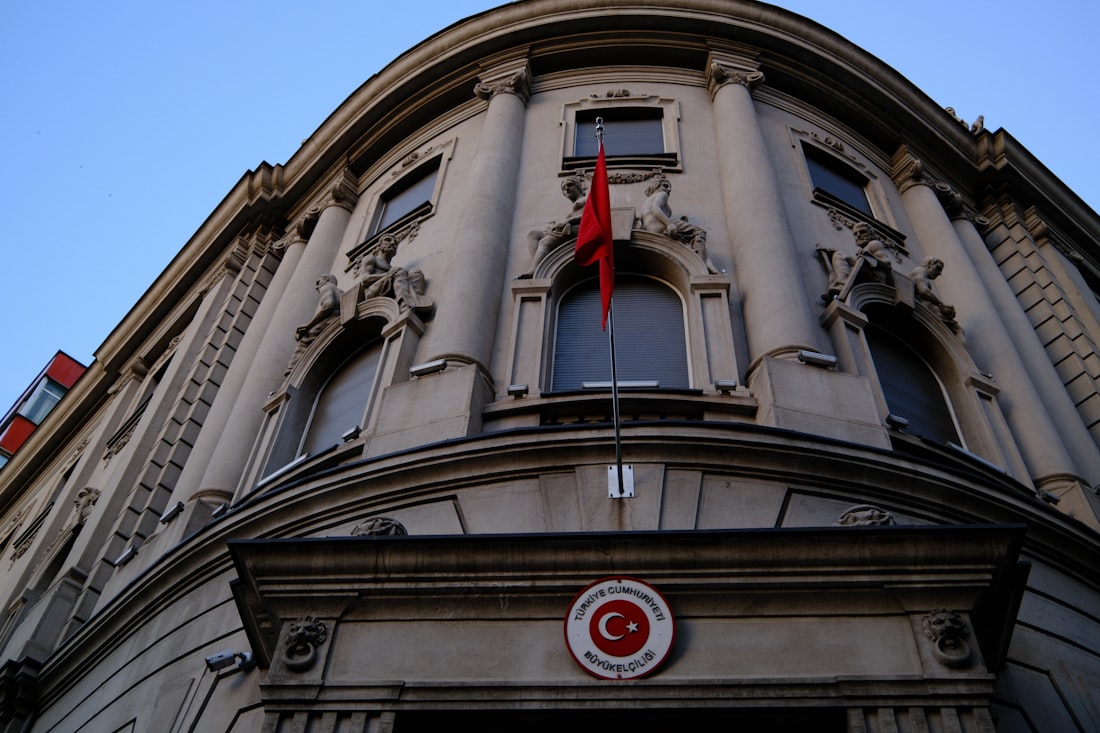
This is the fact that catches most people out. The UAE's capital is Abu Dhabi, and that is where nearly every country maintains its full embassy, handling passports, visas, and anything requiring an ambassador's signature. What you find in Dubai is usually a consulate or consulate-general, a smaller office with a narrower remit. For some nationalities, particularly smaller countries, there is no Dubai office at all and you have to make the drive to Abu Dhabi. Before you search for opening hours or an address, check whether your country actually maintains a Dubai presence, because a wasted trip to the wrong emirate is the single most common mistake here.
Consulates are concentrated in a handful of areas rather than spread across the city. Bur Dubai, particularly around Al Seef Street and the streets behind BurJuman, holds a dense cluster including the UK, India, and several others. Al Wasl Road and Jumeirah host a scattering of European and Gulf missions in converted villas. Business Bay and the World Trade Centre area have picked up some newer or relocated offices as older Bur Dubai buildings have been redeveloped. A few, like the US Consulate, sit further out on their own compound with tighter security and their own appointment system entirely separate from the others. There is no single directory that stays accurate for long, because consulates do relocate, so always confirm the current address on the mission's own website rather than trusting an old listing.
A Dubai consulate can typically renew passports, issue emergency travel documents, notarise or attest documents for use abroad, register births and deaths of citizens, and sometimes conduct civil marriages for their own nationals. What it usually cannot do is issue visas for entry to the home country in complex cases, handle asylum or political matters, or process anything requiring the ambassador rather than a consular officer. If your query involves anything beyond routine paperwork, expect to be redirected to Abu Dhabi, sometimes after you have already queued in Dubai.
If the reason you are looking for an embassy is to get a UAE-issued document recognised abroad, or a foreign document recognised here, you are dealing with attestation, and it is a chain, not a single visit. A degree certificate, marriage certificate, or power of attorney generally needs to pass through several hands in order before a consulate will even look at it.
Translation, when required, has to come from a legal translator licensed by the UAE Ministry of Justice, not a general translation agency. Expect AED 80-150 per page, more for technical or legal wording. Skipping this step is the single most common reason attestation gets rejected and has to be redone.
Walk-in service at Dubai consulates is now the exception rather than the rule. Most run appointment systems through their own portal, or through third-party visa and consular services firms like VFS Global or BLS International, which operate dedicated centres in Deira and Business Bay for several nationalities. Slots for passport renewals and attestation can book out a week or more in advance during September and January, when the post-summer and post-holiday rush hits. If you need something urgent, ring the consulate directly and ask about emergency appointments rather than assuming the online calendar reflects everything available.
Typing centres and PRO (public relations officer) service companies exist precisely because this process is repetitive and bureaucratic, and a legitimate one will hold a Dubai Economic Department trade licence for document clearing or business services, which you can ask to see. A single attestation errand, meaning queuing at MOFA and a consulate on your behalf with your documents, typically runs AED 150-350 in service fees on top of the government charges. A full package, covering translation, MOFA attestation, and consulate attestation for one document, often lands around AED 600-900 all in. Ask for an itemised quote that separates the government fee from the service fee; anyone quoting a single lump sum with no breakdown is usually padding the margin on the government portion.
A properly licensed PRO firm will also tell you upfront if a document cannot be attested at all in its current form, for instance an unstamped photocopy, rather than taking your money and your documents and finding out at the counter. That single question, asked before you hand anything over, is the fastest way to tell a competent operator from one who is guessing.
Two requests dominate: passport renewal and the police clearance certificate (PCC), the latter demanded by employers, universities, and immigration authorities in many countries. A UAE PCC is obtained through the Dubai Police app or GDRFA, not through any embassy, and usually issued within a day or two for around AED 200, after which it may still need MOFA and consulate attestation if it is heading abroad. Bring your Emirates ID and passport copy to every appointment; UAE government-linked processes, including most consular ones operating on UAE soil, will ask for both even for foreign nationals.
Consulates observe their own country's public holidays as well as the UAE's, which means a Dubai office can be shut on a day that feels like any other Tuesday locally. Most operate Sunday to Thursday, often mornings only, from around 9am to noon or 1pm for public-facing services, with the rest of the day reserved for internal processing. Ramadan hours shrink further, sometimes to two or three hours a day. If your matter is time-sensitive, check the specific mission's calendar rather than assuming standard UAE working days apply, and build in at least one buffer day before any travel deadline.
KidZania® is an award-winning children’s ‘edutainment’ concept, KidZania® combi...
Welcome to Rixos Premium Dubai, the most stylish urban hotspot located in the h...



 Log in with Google