Article by:
DubaiDirectory

Emirates NBD, is the leading banking group in the MENAT region.

The single fact most people miss when hiring an engineering consultant in Dubai is that the firm itself must hold a Dubai Municipality classification, and the individual engineer who stamps your drawings must be personally registered with DM as well. A company licence from DED is not enough on its own. If you remember nothing else from this guide, ask for both: the firm's DM classification certificate and the registered engineer's personal card. A surprising number of smaller drafting outfits in Karama and Deira will produce a trade licence and stop there, and that gap is exactly where building permit applications get rejected weeks into a project.
DM classifies engineering consultancies by discipline (architectural, structural, civil, mechanical, electrical) and by grade, typically A, B or C. The grade caps what the firm is legally permitted to design and supervise — a Grade C structural consultant might be restricted to low-rise villas and small commercial units, while a Grade A firm can sign off high-rise towers. This matters enormously if you're building a villa extension in Al Barsha or fitting out a warehouse in Ras Al Khor: the consultant needs the right grade for the job, not just any grade. Ask for the classification certificate and check the scope line, not just the headline grade. A firm happy to take on work outside its permitted scope is either unaware of the restriction or hoping the submission slips through, and either way you carry the risk when it's flagged.
Separately, the actual engineer assigned to your project needs an individual DM registration number tied to their discipline. Firms sometimes have one senior registered engineer whose stamp goes on everything while junior, unregistered staff do the actual design work. That's common practice and not automatically a problem, but you want to know the registered engineer has actually reviewed the drawings, not just signed them on the way out the door. Ask who will attend site if there's a structural query mid-construction.
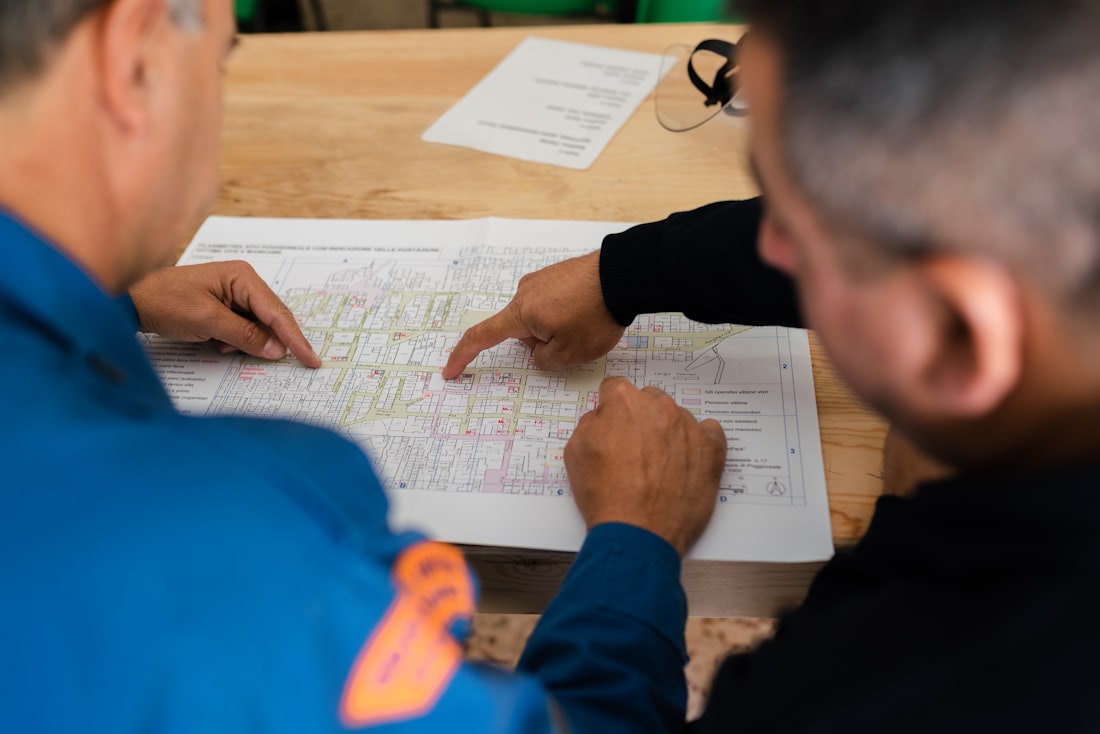
Most engineering consultancy work in Dubai runs through mainland DED-licensed companies, because that's what's needed to submit drawings to Dubai Municipality for onshore plots. If a consultant is set up purely in a free zone — DMCC, DIFC, or similar — they generally can't submit directly to DM for a mainland building permit without a dual-licensed entity or a mainland partner handling the submission. This trips up people comparing quotes: a free-zone-registered firm might quote lower because their overheads are lower, but if they can't actually lodge your permit application, you're paying twice once a mainland firm has to be brought in to resubmit.
If your project sits on Palm Jumeirah, Dubai Islands, or another Nakheel-controlled master development, the approving authority isn't DM at all — it's Trakhees, which runs its own consultant registration and submission process with different forms, timelines and fee structures. A consultant with an excellent DM track record but no Trakhees registration will need to register separately before they can touch a Palm villa renovation, and that registration itself can add two to three weeks upfront.
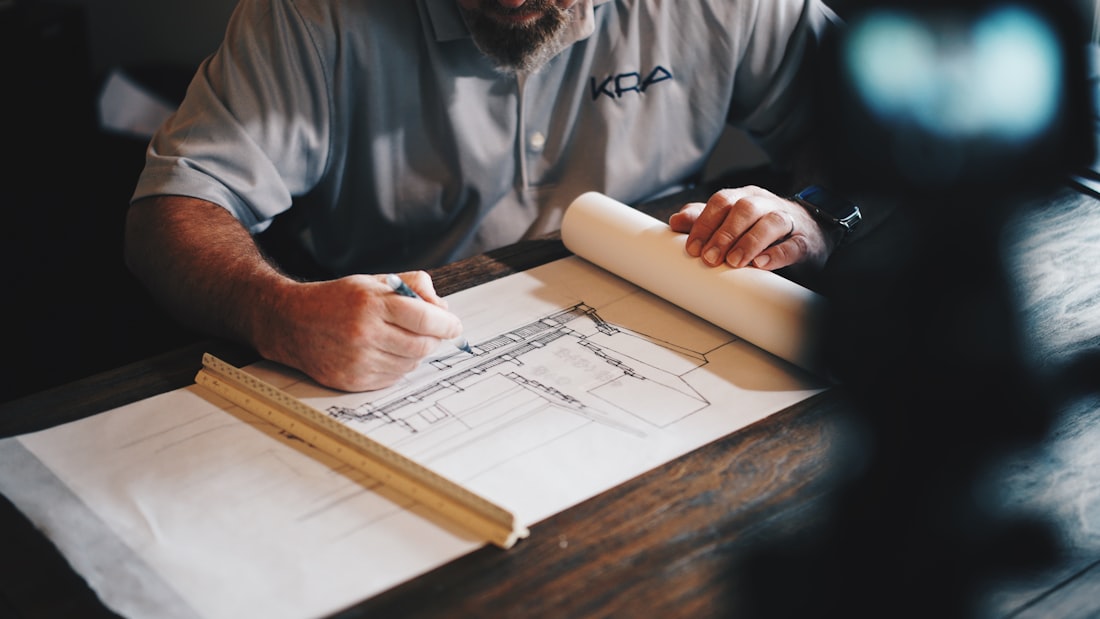
A proper engineering consultancy quote in Dubai is broken down by discipline and by project stage, not given as one lump sum. Expect to see concept design, detailed design (often called DD), tender documentation, and construction supervision listed as separate line items, each with its own percentage of the total fee — a common split is roughly 15-20% for concept, 30% for detailed design, 20% for tender package, and the remainder for site supervision paid across the construction period. Fees for full architectural and engineering services on a villa or small commercial fit-out typically run 3-8% of the estimated construction cost, with the lower end applying to straightforward repeat layouts and the higher end to bespoke or heritage-area work. MEP design alone, without structural or architectural, is usually quoted separately at 1.5-3% of the MEP construction value.
For fixed-scope jobs rather than percentage fees, some realistic AED figures: a structural condition survey on a villa before purchase runs AED 2,500-6,000 depending on size and access; a set of fit-out drawings for a retail unit in Business Bay or JLT for DED and civil defence submission typically costs AED 3,000-10,000; a feasibility study for a small development site lands around AED 10,000-30,000. Hourly rates for senior consulting engineers sit between AED 250-450, with junior draftsmen closer to AED 100-180. If a quote comes in dramatically below these ranges, ask what's excluded — soil testing, fire alarm design, and as-built drawings are the three most commonly dropped to make a headline number look attractive.
A short conversation usually tells you what a written proposal won't.
A firm that hesitates on the grade certificate or gives a vague answer on who's actually registered is the one that ends up with a rejected submission three weeks in, at which point you're paying a second consultant to fix drawings you already paid for once.
DM building permit review typically takes two to six weeks depending on project complexity, but that window stretches during July and August when a good portion of technical staff, on both the consultancy and authority side, are on annual leave, and again around Ramadan when working hours shorten across the board. If you need drawings approved before a specific date — a lease start, a fit-out deadline tied to a mall's opening schedule — build in at least four extra weeks if the submission window falls in peak summer. The other common slip is discovering a clash between structural and MEP drawings on site, usually because the consultant didn't run a proper coordination pass before issuing for construction; ask upfront whether coordinated (clash-checked) drawings are part of the deliverable or an optional extra, because on a Dubai villa that clash often surfaces as an air-conditioning system that can't actually keep the building cool through August, which is not a fault you want to discover after handover.
Firms cluster by type of work: Business Bay and JLT host the larger multidisciplinary consultancies serving towers and commercial developments, Al Quoz has a strong base of MEP and fit-out specialists working alongside the area's contractors and joinery workshops, and Karama and Deira carry a high density of smaller drafting and licence-drawing practices useful for straightforward, low-value submissions but worth vetting carefully against the grading rules above before you commit.
Better Life Kitchen Appliances, part of Easa Saleh Al Gurg Group LLC, offers sp...



 Log in with Google