Article by:
DubaiDirectory

Katsuya marries master sushi chef Katsuya uechi’s fresh takes on Japanese Class...

A dozen roses delivered same-day in Dubai should cost you somewhere between AED 120 and AED 250 if the flowers are locally sourced, and AED 300 to AED 500 if they're imported Ecuadorian or Dutch stock with a longer vase life. Anything advertised at AED 49 for a 'luxury bouquet' is either a loss-leading delivery fee trap or flowers that will have browned at the edges by the following morning. Price here tracks two things closely: where the flowers came from, and how they were kept cold on the way to you.
For everyday arrangements, expect AED 150-300 for a mid-size vase arrangement collected from a shop in Karama or Al Barsha, rising to AED 400-700 for the same thing built from imported peonies, hydrangeas or garden roses. A weekly office subscription for a single reception arrangement runs AED 300-600 per delivery, or AED 1,200-2,500 a month if you're contracting refresh visits twice weekly across a Business Bay or DIFC office. Wedding work is priced per guest count and flower choice rather than as a flat fee: a modest stage backdrop and table centrepieces for 100 guests using roses, orchids and greenery typically lands between AED 15,000 and AED 30,000, while imported peonies, ranunculus or an all-white European palette can push that past AED 50,000. Any florist quoting a wedding package without asking your guest count, venue, and flower preference first is guessing, not quoting.
A proper written quote for an event breaks down design fee, flower cost by stem type, hire items (vases, arches, aisle stands), delivery and set-up, and strike-down/collection after the event. If a florist gives you one lump number for a wedding with no breakdown, ask for one before you pay a deposit. Deposits for weddings are usually 50% on booking, with the balance due a week before the event; a refundable site-visit fee of AED 200-500, credited against the final invoice, is normal for venues they haven't worked at before.
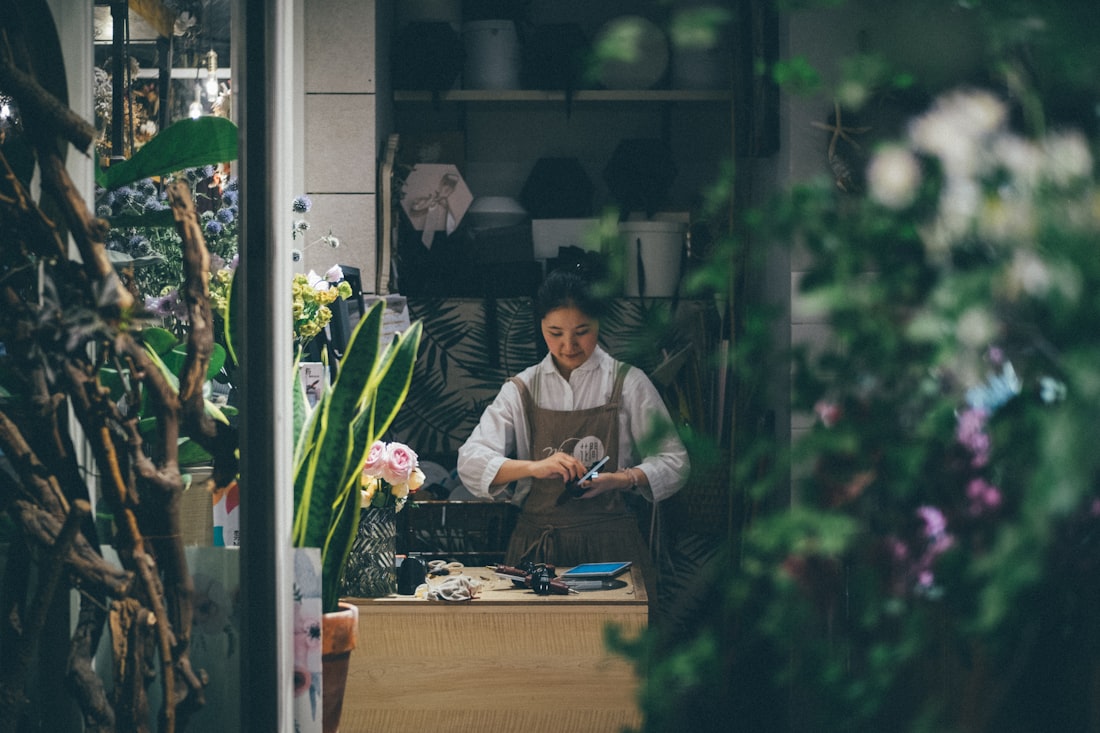
Between May and September, ambient temperatures sit above 40°C for weeks at a time, and flowers left in a non-air-conditioned delivery van for even twenty minutes will wilt visibly before they reach your door. Ask directly whether the florist uses refrigerated or AC-fitted vehicles for delivery, particularly for anything ordered for a wedding or corporate event where the arrangement needs to survive several hours outdoors. This is also why demand and pricing for outdoor weddings concentrate so heavily in the November-to-March season: venues in Palm Jumeirah, Al Barari and the desert resorts book out early for that window, and florists serving them raise minimum spends accordingly. If you're marrying in July on a rooftop, expect the florist to push you towards hardier flowers like orchids, anthuriums and tropical foliage rather than delicate garden roses that won't last the reception.
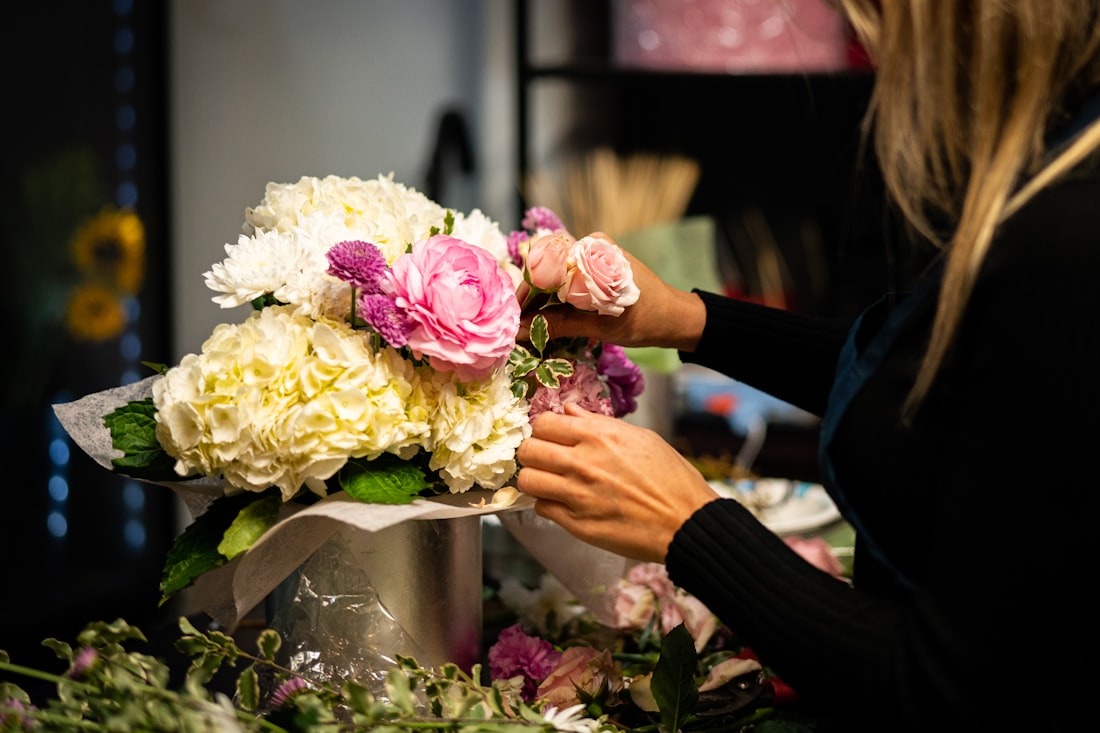
Almost none of Dubai's cut flowers are grown here. The bulk of the supply arrives through the Dubai Flower Centre, a dedicated cold-chain facility at DXB's Cargo Village that handles imports from Kenya, Ethiopia, the Netherlands, Colombia and Thailand, often on the same daily flights that bring in produce. From there, stock moves to wholesalers in Al Quoz and the flower section of the Al Aweer market, and retail florists across the city buy from those wholesalers most mornings. This matters because a stem can already be two or three days old by the time it reaches a shop counter, so freshness depends heavily on how often a florist restocks and how they store between deliveries. A shop with a visible chiller unit and daily wholesale runs will consistently outlast one buying in bulk once a week to save on delivery costs.
Most florists trading in Dubai operate as mainland companies under a DED commercial trade licence for flowers and plants, which lets them sell retail and deliver across the emirate. A growing number operate purely through Instagram or WhatsApp with no physical shop and, in some cases, no licence at all — fine for a casual bouquet, riskier for anything you're paying a deposit on or relying on for an event. Before booking anything beyond a one-off delivery, it's worth asking:
An answer that dodges the substitution question is the biggest red flag. Unauthorised substitution without a phone call is the single most common complaint against Dubai florists, particularly around Valentine's Day and Mother's Day when demand strips wholesalers of specific stems by mid-morning and shops start improvising.
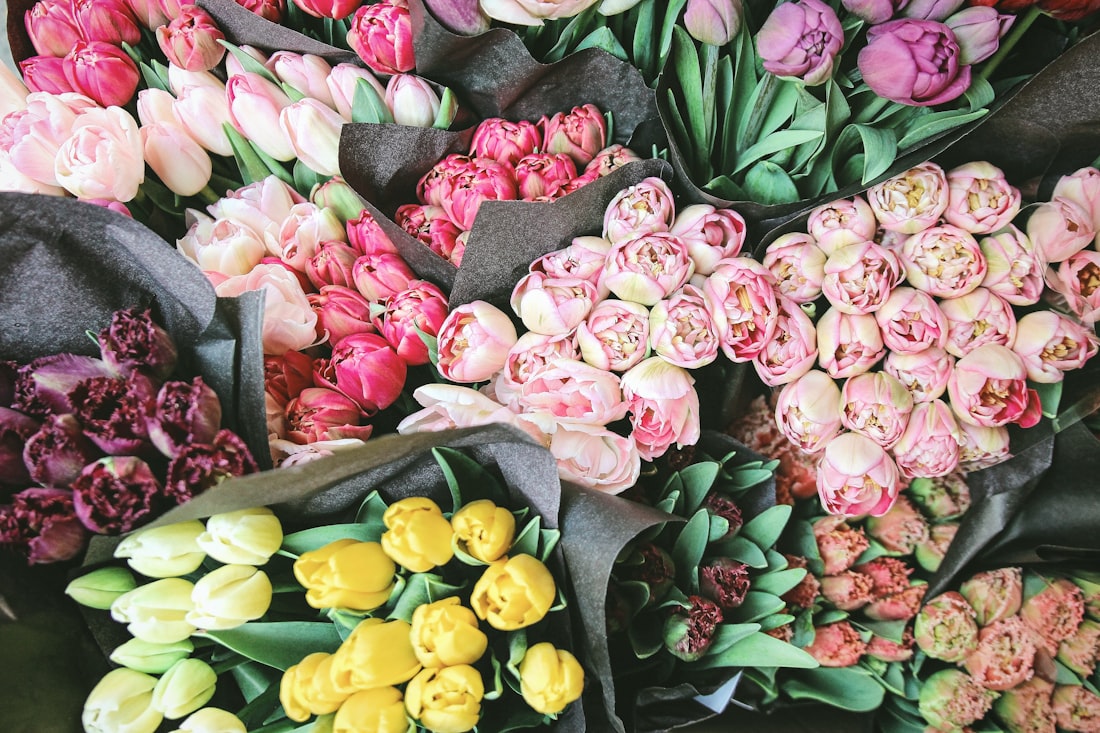
Valentine's Day and Mother's Day (the second Sunday of March, alongside the UAE's own observance) see rose prices triple almost overnight — a dozen roses that cost AED 100-150 in a normal week can hit AED 300-500 on 14 February, and same-day delivery slots vanish by lunchtime. If you need flowers for either date, order at least four to five days ahead and confirm the delivery window in writing; florists routinely overbook these two weeks and push late orders to the next available slot without telling the customer.
Several of Dubai's larger hotel venues, including the big Palm and Downtown properties, keep an approved vendor list and either restrict outside florists entirely or charge a corkage-style access fee for external suppliers. Before committing to a florist for a hotel wedding or gala, check with the venue's events team whether your chosen supplier is already approved, or whether you'll need to add an outside-vendor fee (commonly AED 1,000-3,000) to your budget. Skipping this check is how couples end up paying twice — once for a florist they liked, and again for a mandatory in-house minimum they didn't know existed.
Katsuya marries master sushi chef Katsuya uechi’s fresh takes on Japanese Class...
Godiva is the leading premium chocolate brand created by a Belgium Chocolatier,...



 Log in with Google