Article by:
DubaiDirectory

A haven within the vibrant city of Dubai, the Waldorf Astoria Dubai Palm Jumeir...

A freight forwarder in Dubai is not just booking space on a ship or plane. The good ones hold a Dubai Customs broker code, know which HS codes trigger inspection at Jebel Ali, and can tell you before you sign anything whether your cargo needs a certificate of conformity, a Ministry of Health approval, or a Dubai Municipality food import permit. The cheap ones quote you a headline sea freight rate and let the customs clearance, documentation and demurrage charges arrive as surprises three weeks later. Knowing the difference before you commit is what separates a smooth shipment from a container sitting at the port racking up storage fees.
A proper quotation breaks the shipment into distinct line items: ocean or air freight, origin handling, destination handling (THC), customs clearance, documentation fee, and delivery to your warehouse or premises. If a forwarder gives you one all-in number with no breakdown, ask for it itemised. It is the only way to spot where the margin is hidden and to compare two quotes on equal terms.
For a 20-foot full container load (FCL) arriving at Jebel Ali from China, expect the sea freight component to run somewhere between AED 3,500 and AED 6,500 depending on the shipping line, the season and whether it is a direct or transhipment service. A 40-foot container typically adds another 30-40% on top. Less-than-container-load (LCL) shipments are priced per cubic metre, generally AED 150-300 per cbm from Far East origins, with a minimum charge that usually kicks in below 1-2 cbm. Air freight from China or India runs roughly AED 12-20 per kilo for general cargo on standard service, climbing well past AED 30 per kilo for anything urgent or oversized. On top of the freight itself, budget AED 350-600 for documentation and customs clearance per shipment, plus 5% import duty on the CIF value for most commodities unless the goods qualify for an exemption or are moving through a free zone without leaving it.
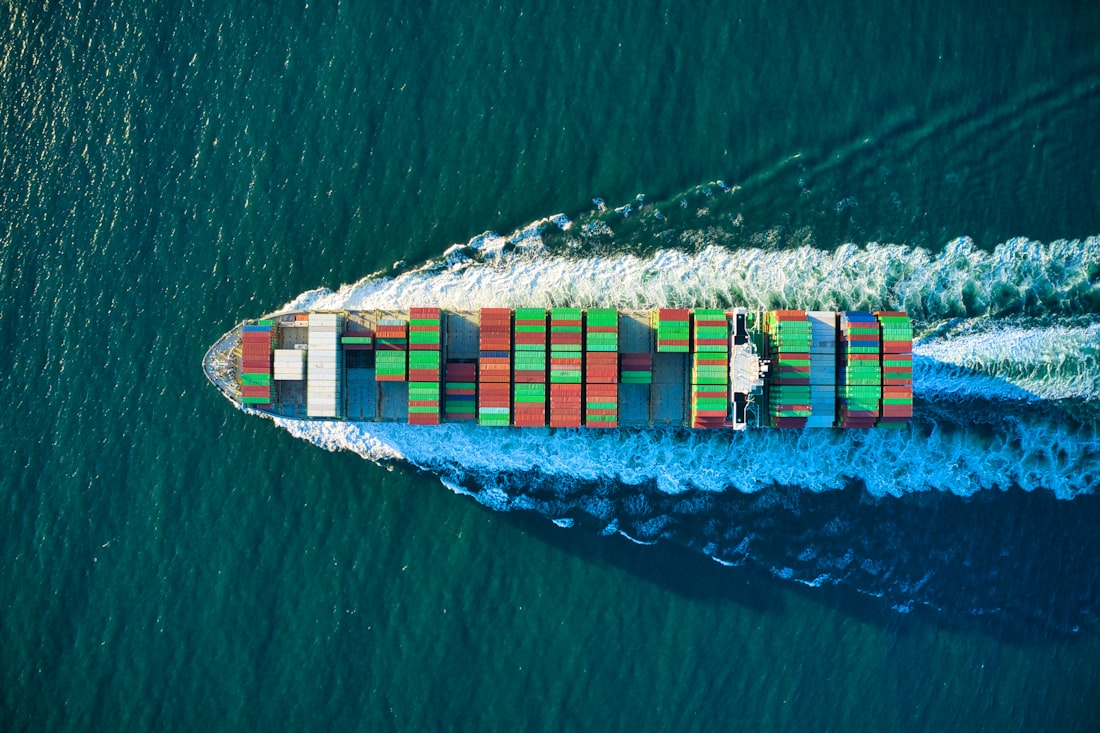
Most sea freight into the UAE clears through Jebel Ali, the largest man-made harbour in the world and the reason so many logistics and trading companies cluster around Al Quoz, Ras Al Khor and the JAFZA free zone itself. If your business operates from a JAFZA free zone licence and the goods stay within the free zone or move to another free zone, you avoid the 5% duty entirely. The moment goods cross into the UAE mainland - even just down the road to a shop in Deira - duty becomes payable, and your forwarder needs a broker code registered against a mainland DED trade licence to clear it. This is the single most common point of confusion for new importers: a free zone company licence does not automatically let you clear cargo for mainland delivery.
Air cargo lands mainly at DXB or the dedicated Dubai South cargo facilities near Al Maktoum International, and is generally cleared faster than sea freight, often within 24-48 hours of arrival versus 3-5 working days for a full container. If your cargo is time-sensitive - pharmaceuticals, perishables, or anything with a fixed launch date - the air freight premium is often cheaper than the alternative of paying detention charges when a sea shipment misses its slot.
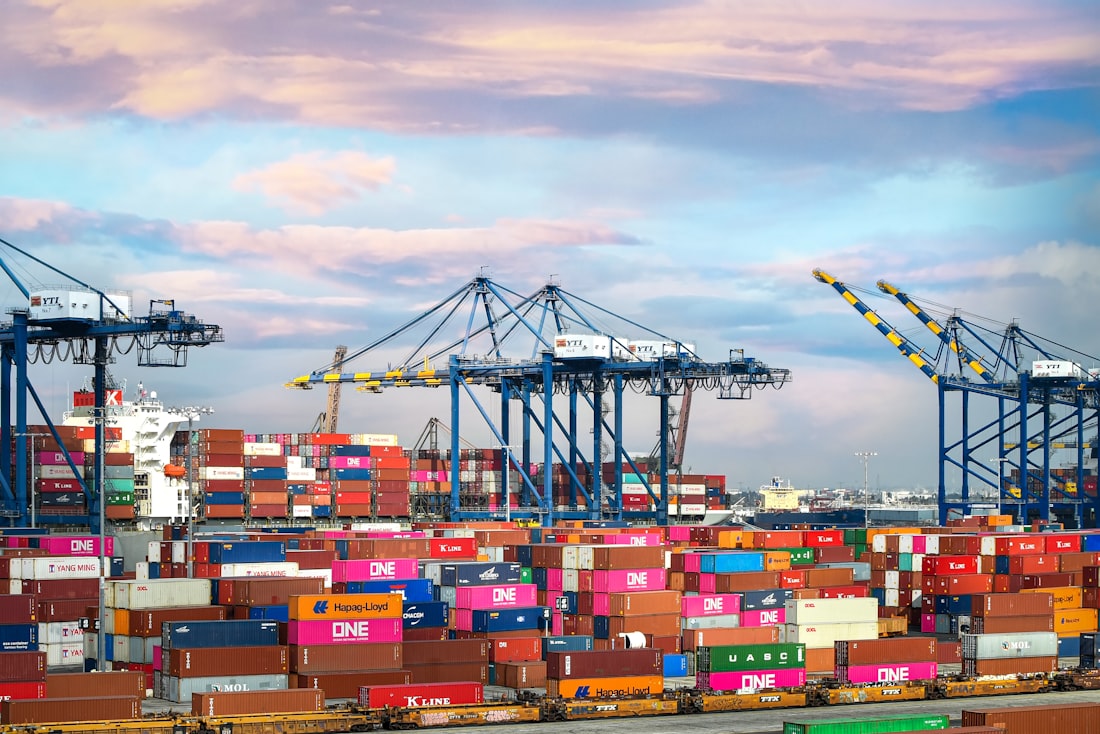
Ask for their Dubai Customs broker code and the name of the licensed entity it sits under. A legitimate forwarder will produce this without hesitation because it is public information tied to their trade licence. Ask whether they are IATA CASS-approved if you need air freight, and whether they hold FIATA membership - neither is legally required to operate, but both indicate the company has passed external vetting rather than simply registering a DED licence and calling itself a freight forwarder. Ask what happens if your container is selected for physical customs inspection: a competent operator will quote you the inspection fee range (typically AED 500-1,500 depending on cargo type) upfront rather than treating it as an unexpected extra.
The clearest warning sign is a forwarder who cannot explain demurrage and detention in plain terms before you ask. Demurrage is what the port charges for a container sitting past its free period at the terminal; detention is what the shipping line charges for the physical container sitting outside the port past its free period. Jebel Ali typically allows 5-7 free days before demurrage starts, and charges then escalate sharply, often AED 150-300 per day for a 20-foot box, doubling after the first week. A forwarder who does not proactively track your free time and warn you before it expires is costing you money by omission, not just by markup.
Every shipment needs a commercial invoice, packing list, and bill of lading (sea) or air waybill (air), matched exactly on quantities, weights and values - discrepancies here are the single biggest cause of customs delays at Jebel Ali. Depending on the product category you may also need a certificate of origin, a halal certificate for food items, a Dubai Municipality registration for consumer goods, or an ESMA conformity certificate for electronics and toys. Get your forwarder to confirm the full document list against your specific HS code before the goods leave origin, not after they arrive.
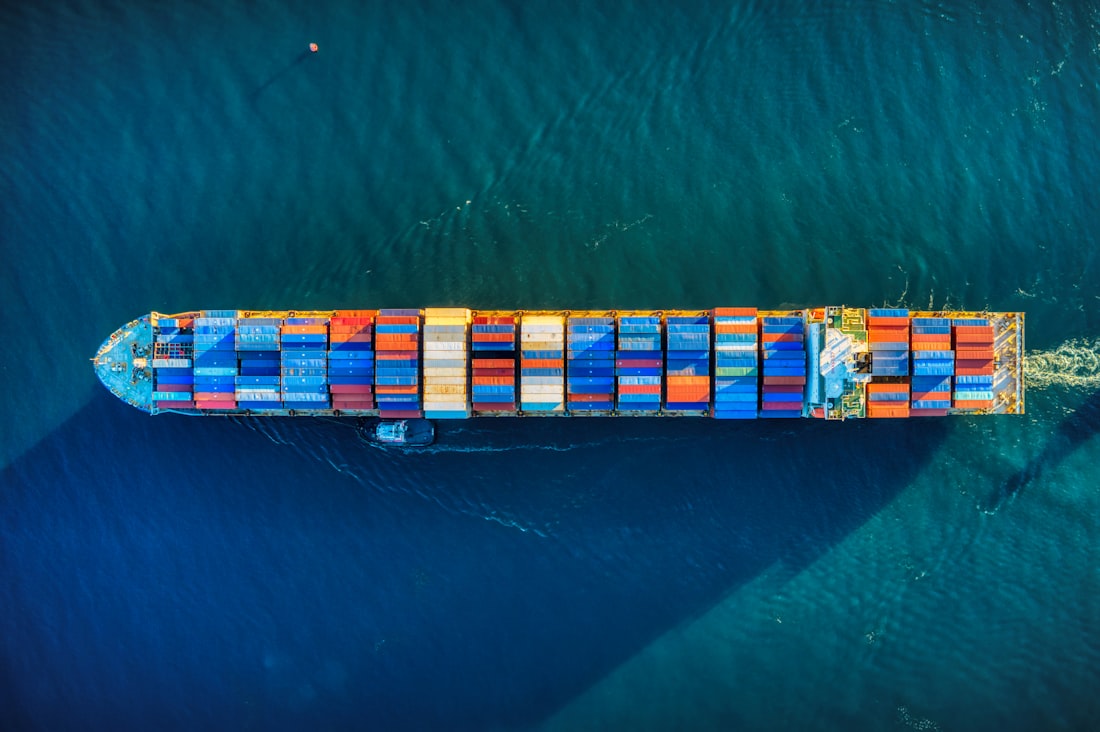
Freight rates and port congestion follow predictable seasonal patterns here. September through November sees a global rush of pre-Christmas restocking that pushes both sea and air freight rates up 20-40% and lengthens transit times as vessels sail full. Chinese New Year, typically late January or February, causes a spike in bookings beforehand and a lull afterwards as Chinese factories close for two to three weeks - anyone importing from China should place orders at least six weeks ahead of the holiday to avoid the crunch. Ramadan and the summer months (June-August) generally see quieter freight demand into Dubai as construction and retail activity slow with the heat, which is often the best window to negotiate rates if your shipment timing is flexible.
The most expensive mistakes happen at the documentation stage, not during transit. A commercial invoice that undervalues goods to reduce duty invites a Dubai Customs valuation query that can hold a shipment for weeks. A bill of lading with a mismatched consignee name delays release until it is amended, often incurring a correction fee from the shipping line plus accumulating demurrage in the meantime. And a forwarder who subcontracts your clearance to a third party without telling you removes your ability to escalate directly when something stalls - always ask whether the company handling your customs clearance is the one you signed with, or a broker they use behind the scenes.
A haven within the vibrant city of Dubai, the Waldorf Astoria Dubai Palm Jumeir...
The perfect balance of comfort, service, and affordability for business and lei...



 Log in with Google