Article by:
DubaiDirectory
Dear All, welcome to Prime Star Sports Academy. We wanted to take this opportun...

If you typed "garden near me" into Google, you're almost certainly dealing with one of three things: a villa garden that's dying in the heat, a new plot that needs designing from scratch, or a maintenance contract that's fallen apart because the last company stopped showing up. All three are solvable, but Dubai's climate and licensing rules mean the usual advice you'd get elsewhere doesn't quite apply here.
Most search results for "near me" queries assume distance is the deciding factor. In Dubai it barely matters. Landscaping and maintenance companies based in Al Quoz, Ras Al Khor or the industrial pockets off Sheikh Mohammed Bin Zayed Road routinely service villas in Arabian Ranches, Jumeirah, Emirates Hills and Al Barsha without any drop in service quality, because their crews and equipment travel by van regardless. What matters far more is whether the company holds a valid DED trade licence for landscaping or agricultural services, and whether they're set up to handle irrigation, not just planting.
A surprising number of "garden near me" results are actually general cleaning or handyman companies that added landscaping as a side line. They'll happily quote you for mowing and hedge trimming, but ask them to diagnose why your lawn is yellowing in patches and you'll get a shrug. That distinction costs money later.
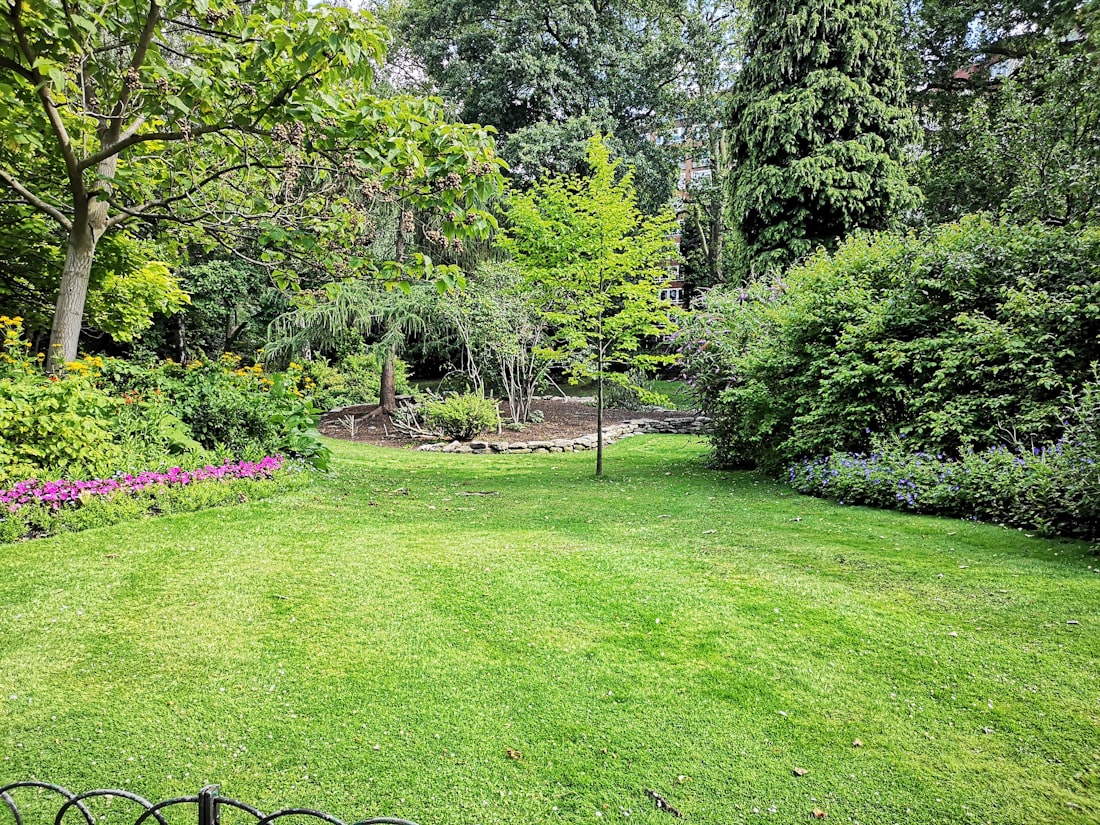
For a standard villa garden in areas like Al Barsha, Mirdif or The Springs, expect these rough bands, all plus VAT:
If a quote comes in dramatically below these ranges, ask what's excluded. Green waste disposal, soil replacement and irrigation are the three items cut-rate operators quietly drop, then bill for later as "extras."
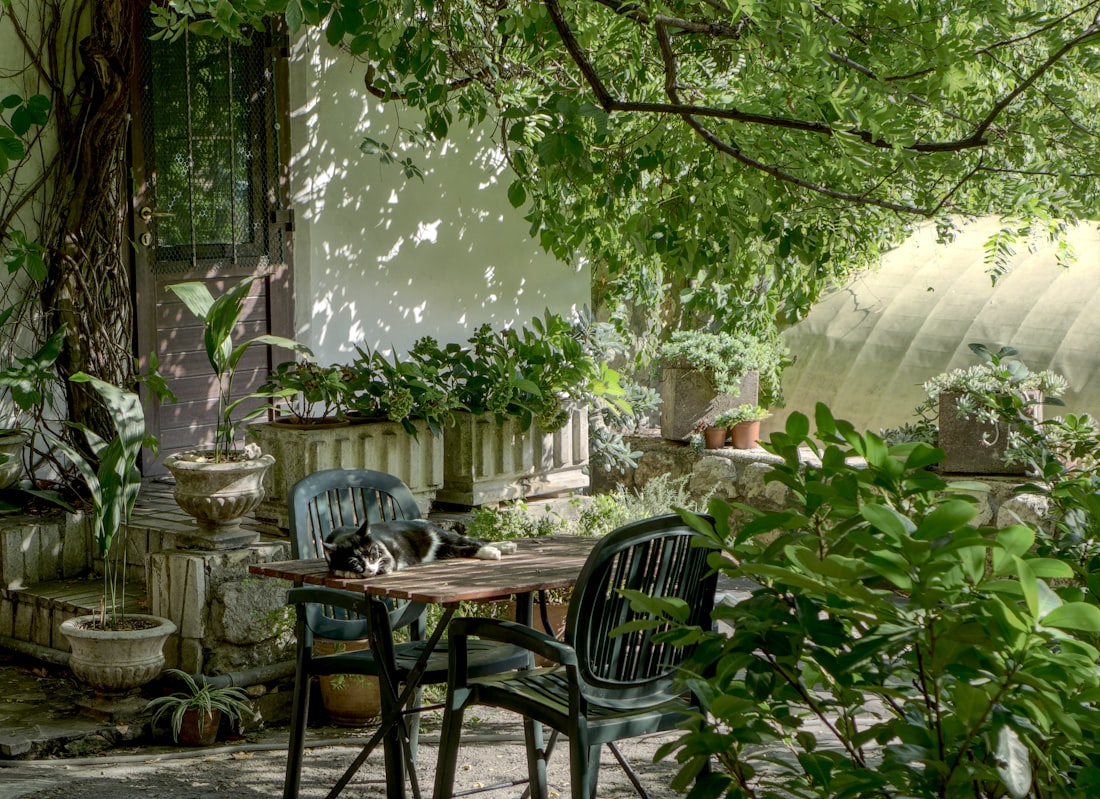
Ask any company you're considering how they handle soil in Dubai's conditions. A competent landscaper will talk about the sandy, low-organic-matter soil most villas sit on and the need for imported topsoil or compost amendment before planting anything beyond desert-adapted species. If they don't mention soil at all and jump straight to "we can plant grass this week," that's a red flag — grass on unamended sand dies within a season, and you'll be paying to redo it.
Second question: how do they manage irrigation scheduling across summer and winter? Dubai gardens need roughly double the watering frequency between May and September compared with December through February, and a company that runs the same schedule year-round either doesn't know this or isn't paying attention. Overwatering in winter is one of the most common reasons villa gardens develop root rot and fungal disease, and it's entirely preventable with a company that adjusts timers seasonally.
Third: ask whether they're licensed under DED for landscaping/agricultural activities, not just general maintenance or cleaning. This matters more than it sounds. A company operating outside its licensed activity can't legally issue you a proper VAT invoice for that work, which becomes a problem if you ever need to claim on a villa's service charge or dispute work with a landlord.
If you're renting a villa, check your tenancy contract before booking anything beyond basic mowing. In many Dubai leases, garden maintenance is either the landlord's responsibility or split, with tenants covering routine upkeep and landlords covering irrigation infrastructure or tree removal. This should be documented in your Ejari-registered contract. Disputes over who pays for a burst irrigation line or a dead tree are common precisely because tenants assume it's included in rent and landlords assume the opposite. A quick read of the maintenance clause before you call anyone saves an argument later.
For freehold owners in communities like Arabian Ranches, Jumeirah Golf Estates or The Meadows, some master developers require landscaping work to go through an approved contractor list, particularly for anything visible from the street or shared boundary walls. Check with your community management office before commissioning major redesign work — unapproved changes to front-facing landscaping can trigger a fine or a forced reinstatement.
A written quote from a serious landscaping company should itemise labour, materials, plant species with quantities, irrigation components, and a green waste disposal line. It should also state a timeline and specify whether the price is fixed or subject to site conditions (a common and legitimate caveat if they haven't yet dug into the soil). Quotes that arrive as a single lump-sum WhatsApp message with no breakdown are harder to hold anyone to if the finished result doesn't match what you pictured.
Ask for photos of at least two completed jobs of similar scale, ideally in a comparable neighbourhood, since planting choices that thrive in a shaded Jumeirah garden may scorch in an exposed Arabian Ranches plot with full afternoon sun.
October through April is peak season for landscaping work in Dubai — better weather means more villa owners tackle redesigns, so good companies book out weeks in advance and prices sit at the higher end of the ranges above. If your project isn't urgent, scheduling major planting or turf-laying for May through September often gets you faster turnaround and slightly softer pricing, though you'll need a company confident in managing new plants through peak heat, which not all of them are. Ask directly whether they've handled summer installations before, and don't accept a vague yes without examples.
Maintenance contracts, by contrast, are worth locking in before summer starts. Demand for reactive one-off visits spikes in June and July when neglected gardens collapse under the heat, and companies with existing contract clients get priority over walk-in requests during that period.
Dear All, welcome to Prime Star Sports Academy. We wanted to take this opportun...
Welcome to Dubai Fish Hut restaurant, where we serve the freshest fishes and hi...



 Log in with Google