Article by:
DubaiDirectory

Connected to Mall of the Emirates, Sheraton Hotel is a short distance from down...

Most people searching for a handyman in Dubai have already got a specific job in mind — a wobbly cabinet door, a TV that needs mounting, a curtain rail that's pulled out of the plasterboard, or a small list of things that have been annoying them for three months. The good news is that fixing these things properly, and at a fair price, is straightforward once you know what a legitimate operator looks like here. The bad news is that the market has a lot of unlicensed one-man operations working off WhatsApp groups, and when something goes wrong with them — a hole drilled through a chilled water pipe, a deposit taken and never seen again — you have no real recourse.
In Dubai, "handyman" is used loosely to mean anything from a general fix-it person who assembles furniture and hangs pictures, through to small licensed maintenance companies that also do painting, tiling, minor plumbing, and basic electrical work. The bigger firms — the ones that show up in a branded van with a technician in uniform — usually operate under a DED (Department of Economic Development) trade licence covering general maintenance or technical services, and they subcontract or employ tradespeople for each discipline. Genuinely sole-trader handymen, working entirely independently without any company behind them, are technically operating outside the licensing framework, which is why most reputable ones you'll find in a directory or on Google are attached to a registered company, even a small one.
This distinction matters more than it sounds. A company with a trade licence can issue you an invoice with a TRN if it's VAT-registered, can be held accountable if the work is poor, and typically carries some form of liability cover for damage to your property. Someone who turns up in a personal car with tools in a bag, no paperwork, and asks for cash upfront has none of that. For a AED 50 picture-hanging job the risk is low. For anything involving drilling into a load-bearing wall, working near electrics, or being left alone in your apartment for a few hours, it's worth the extra AED 30–50 to book through a company.
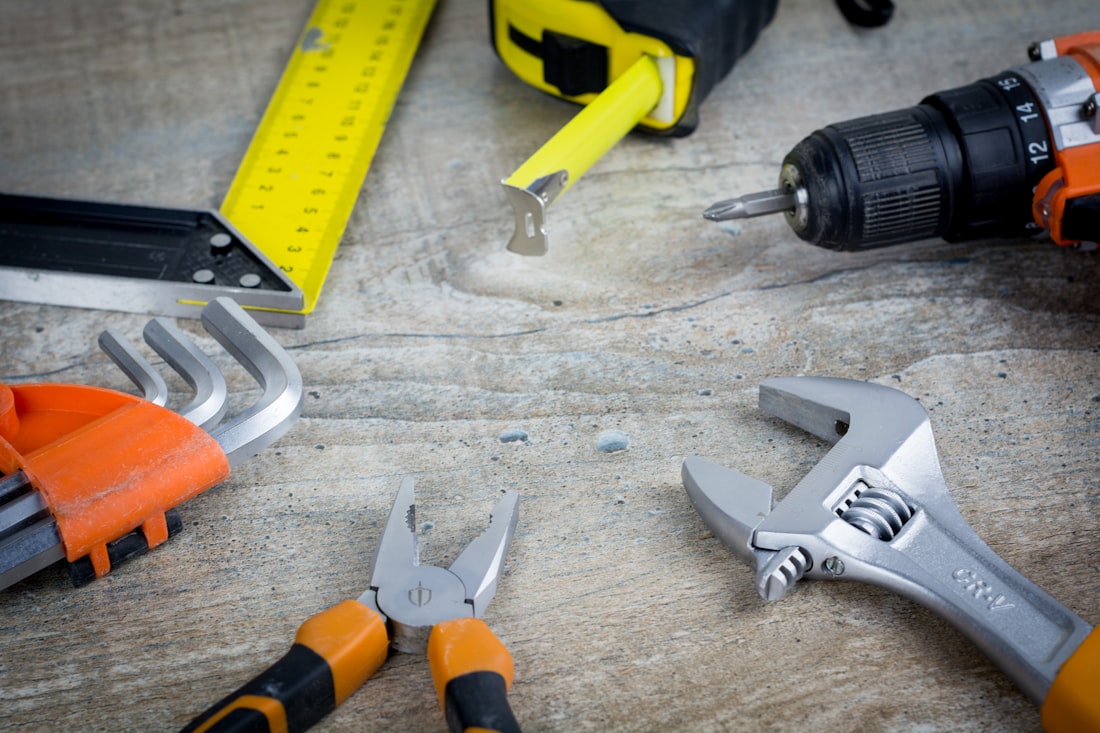
Almost every handyman company in Dubai charges a call-out fee, usually AED 50–100, which is either waived or credited against the job if you go ahead. On top of that, expect hourly rates of roughly AED 80–150 depending on the skill involved, with simple tasks often quoted as a flat fee instead.
As a rough guide: mounting a TV on a wall bracket typically runs AED 150–300 depending on wall type and cable concealment; flat-pack furniture assembly is often AED 80–200 per item; hanging curtain rails or blinds is around AED 100–200 for a standard window; fixing a sticking door or replacing hinges is AED 100–250; patching and repainting a single bedroom wall is AED 150–350 including basic paint; and general drilling, shelving, and mirror installation tends to sit in the AED 100–250 range per item. Anything described as "minor plumbing" — a dripping tap washer, a loose toilet seat, resealing a sink — is usually AED 150–300, but a proper leak or anything touching the building's shared risers should go to a licensed plumber, not a generalist.
Prices move with the seasons more than people expect. Between June and September, when AC servicing and emergency call-outs spike, general handyman availability tightens and quotes creep up 10–20%, especially for same-day bookings. Winter, from October to March, is when villa owners in areas like Jumeirah, Al Barsha, and Arabian Ranches do the bulk of their touch-up painting and garden fixture work, so book a week or two ahead if you want a specific date.

Ask for the company's trade licence number before you book, not after. A legitimate operator will give it to you without hesitation, and you can cross-check it on the DED's public licence search. If someone gets cagey, quotes a price only in cash, or refuses to put anything in writing, that alone tells you what you need to know. It's also worth asking who's actually coming to do the job — plenty of companies subcontract, and the person on the tools isn't always an employee, which is fine, but you want to know whether the company stands behind the work regardless of who performs it.
For anything touching electrics — a new socket, a light fitting, rewiring a fan — ask specifically whether the technician is qualified to work on DEWA-connected circuits. Electrical faults are one of the more common causes of house fires in Dubai apartments, and a handyman who's confident with furniture and shelving isn't automatically qualified for wiring. If in doubt, ask for a licensed electrician instead; the cost difference is usually AED 50–100 more, not worth gambling on.
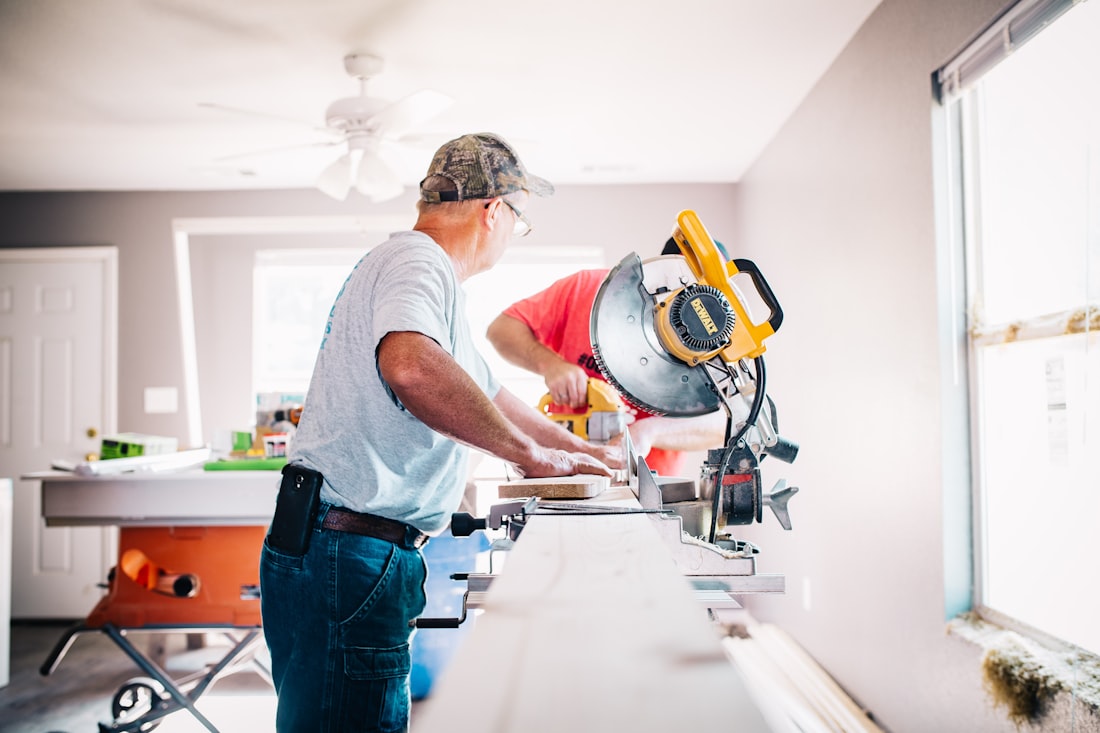
If you're renting in a tower in Dubai Marina, JLT, Business Bay, or similar, check your building's maintenance policy before booking outside contractors. Many buildings require an NOC (no-objection certificate) from facilities management for any drilling, especially into marble or structural walls, and some restrict outside contractors to certain hours or require them to register at security with an Emirates ID copy. Skipping this step doesn't usually cause legal trouble, but it can get your handyman turned away at the lobby after you've already paid a call-out fee, or flagged by the building for unauthorised works, which becomes a headache with your landlord under the Ejari agreement.
If you're a tenant rather than an owner, it's also worth knowing that under RERA rules, major maintenance — anything structural, or anything affecting installed systems like AC or plumbing that the landlord is responsible for — should technically go through the landlord or their appointed maintenance company, not a handyman you've hired independently, particularly if you want to avoid disputes over your security deposit at move-out.
A fair quote, whether it arrives by WhatsApp or email, itemises labour and materials separately, states whether the call-out fee is included, and gives a time estimate. It should also state what happens if the job turns out to be bigger than expected — a locked-in hourly rate for extra work, rather than an open-ended "we'll see." If a company won't put a number on paper before arriving, that's a signal to get a second quote, particularly for anything over AED 500.
Same-day and emergency bookings, common in July and August when AC drip trays overflow or fans fail, usually carry a premium of AED 50–150 on top of standard rates. That's a reasonable market rate for genuine urgency — what isn't reasonable is a company quoting a flat premium rate for a job that could easily have waited a day, so it's worth asking directly whether next-day service is available at the standard price before agreeing to pay for speed you don't actually need.
Connected to Mall of the Emirates, Sheraton Hotel is a short distance from down...
Within easy reach of the city’s prime business & leisure attractions Creating ...



 Log in with Google