Article by:
DubaiDirectory

Contemporary, chic and effortlessly casual, Centro Barsha suits travellers seek...

If this is an actual emergency, stop reading and call 998 for a Dubai Corporation for Ambulance Services ambulance, which is free regardless of insurance or Emirates ID status. For anything less urgent, the hospital you land on through a quick Google search is rarely the one that suits your situation, your budget, or your insurance policy, so it's worth thirty seconds of thought before you drive anywhere.
Dubai's government hospitals — Rashid Hospital in Umm Hurair (the main trauma centre for serious accidents), Dubai Hospital in Hor Al Anz, Al Baraha in Deira, and Latifa Hospital for maternity — are excellent for emergencies and are cheaper than most people expect, provided you hold a valid Dubai health insurance card linked to your Emirates ID. Attendance at a government ER typically runs AED 100–320 for card holders, with tests and imaging billed separately at subsidised rates. UAE nationals are treated free through the same system.
Private hospitals such as American Hospital Dubai (Oud Metha), Mediclinic City Hospital (Al Jaddaf), Mediclinic in Al Barsha, Saudi German Hospital, Aster, NMC, and King's College Hospital Dubai (Jumeirah) tend to have shorter waits, more consistent English-speaking staff, and nicer facilities, but the price reflects it. An ER consultation without insurance can run AED 300–600 before any tests, and if you're admitted, expect a deposit request of AED 5,000–20,000 up front, refunded against the final bill or your insurer's settlement.
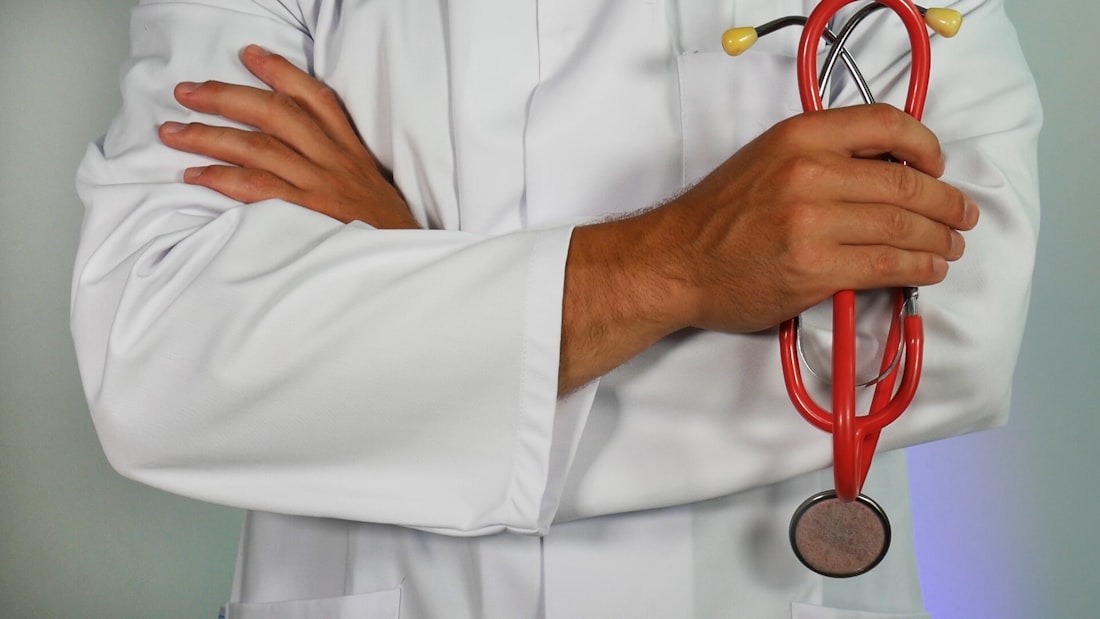
Health insurance has been mandatory for Dubai residents since 2014, and every policy sits on either a basic network or an enhanced one. Basic network policies generally only cover government hospitals and a limited list of private providers; enhanced policies open up American Hospital, Mediclinic, and similar. Turning up at a hospital that isn't on your network doesn't mean you'll be refused emergency treatment — DHA rules require stabilisation regardless — but it does mean you may be billed the difference between what your insurer pays and what the hospital charges, sometimes a substantial gap.
Before anything non-urgent, ring reception or check your insurer's app and ask directly: does this hospital have direct billing with my policy, or will I need to pay and claim reimbursement? Direct billing means you show your card and pay only the co-payment (commonly 10–20%). No direct billing means you pay the full invoice on the day and submit paperwork afterwards, which can take weeks to come back.
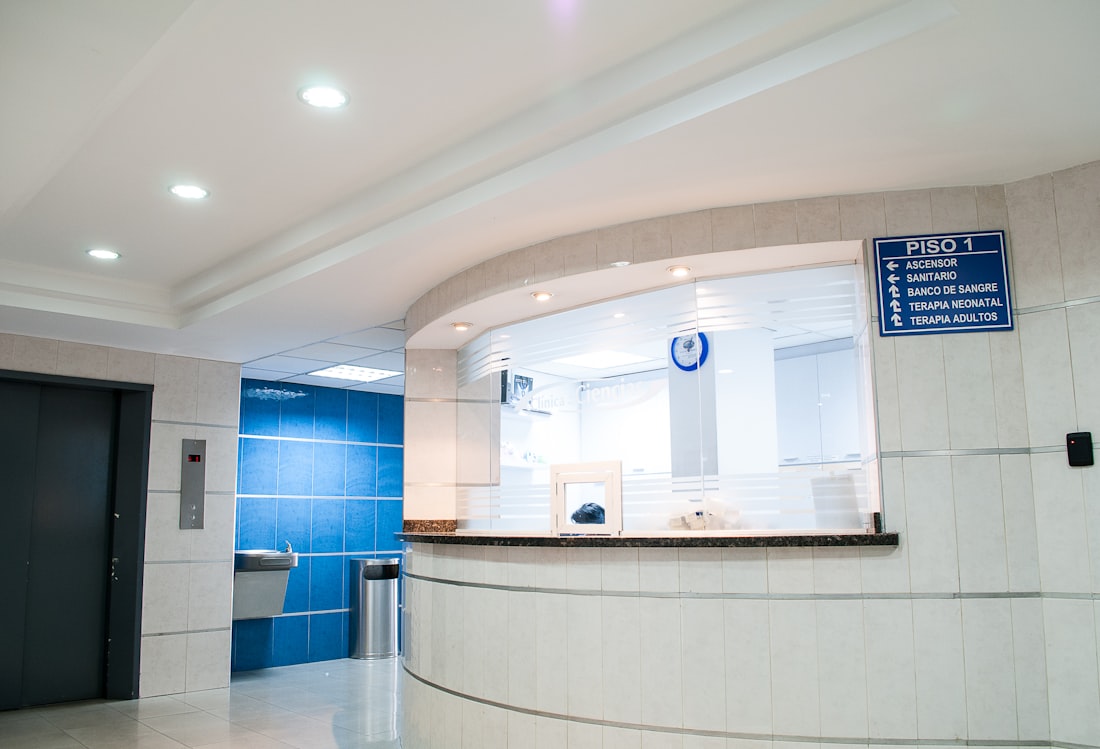
Dubai Healthcare City, spread across Oud Metha and Umm Hurair, is the densest concentration of hospitals and specialist clinics in the city and worth the drive from almost anywhere if you need a specific specialist rather than a nearby door. If you're in Dubai Marina, JLT, Al Quoz, or Motor City, Al Barsha's cluster of Mediclinic and Saudi German facilities is the shortest run. Jumeirah, Umm Suqeim, and Downtown residents are closest to American Hospital or King's College. Deira, Karama, and Bur Dubai sit nearest to the government hospitals in Hor Al Anz, which is genuinely useful to know if you're uninsured and cost matters more than ambience — the care quality for trauma and acute cases is not lower, the waiting room just looks older.
Business Bay and much of Downtown are oddly short on hospitals proper; most people there end up either at the Al Jaddaf Mediclinic site or driving to Oud Metha, so factor that into how urgent your situation actually is before you commit to a destination.
DHA-licensed walk-in and urgent care clinics operate around the clock across Dubai and handle sprains, fevers, minor cuts, stomach bugs, and flu at a fraction of hospital ER pricing — typically AED 150–300 for a consultation versus AED 300–600-plus at a private hospital ER, with none of the triage queue. That queue is worth avoiding: winter (December to February) brings a spike in flu and respiratory cases, and July and August bring a predictable rise in heat exhaustion and dehydration presentations, both of which can push ER waits to two or three hours even at private hospitals.
Telehealth consultations through DHA-approved platforms are now a legitimate first step for anything that isn't obviously serious — a licensed doctor can assess symptoms, issue a prescription, and refer you onward if needed, all before you've left the sofa. It won't help with a broken bone, but it saves a wasted trip for the things that don't need one.
Every hospital and clinic in Dubai needs an Emirates ID to register you, insured or not, so keep it in the car or your bag rather than at home. For scheduled procedures, a fair quote or admission estimate from a private hospital should specify the doctor's fee, facility fee, expected room category (shared vs private), and an estimate for standard tests, not just a single lump figure — ask for this in writing before you agree to anything elective, since verbal estimates in Dubai's private healthcare sector have a habit of drifting upward once you're already checked in.
None of these questions will offend a properly run reception desk, and asking them upfront takes less time than the wait itself. The hospital nearest to you on a map is rarely the wrong choice for a genuine emergency, but for anything you can plan for, ten minutes of checking your insurance network and comparing government against private saves considerably more than ten minutes further down the line.
Contemporary, chic and effortlessly casual, Centro Barsha suits travellers seek...
Dear All, welcome to Prime Star Sports Academy. We wanted to take this opportun...


 Log in with Google