Article by:
Karina

The Big Moo is an events company which specializes in private children's events...

Once you know what you want to sell and who you're selling it to, the next decision is what kind of retail setup actually makes sense in Dubai. The city offers everything from vast air-conditioned malls to compact community shops, souks, home delivery operations and online storefronts, and the right choice depends on your product, your budget and how much foot traffic you actually need to survive the summer months when fewer people are walking around outdoors.
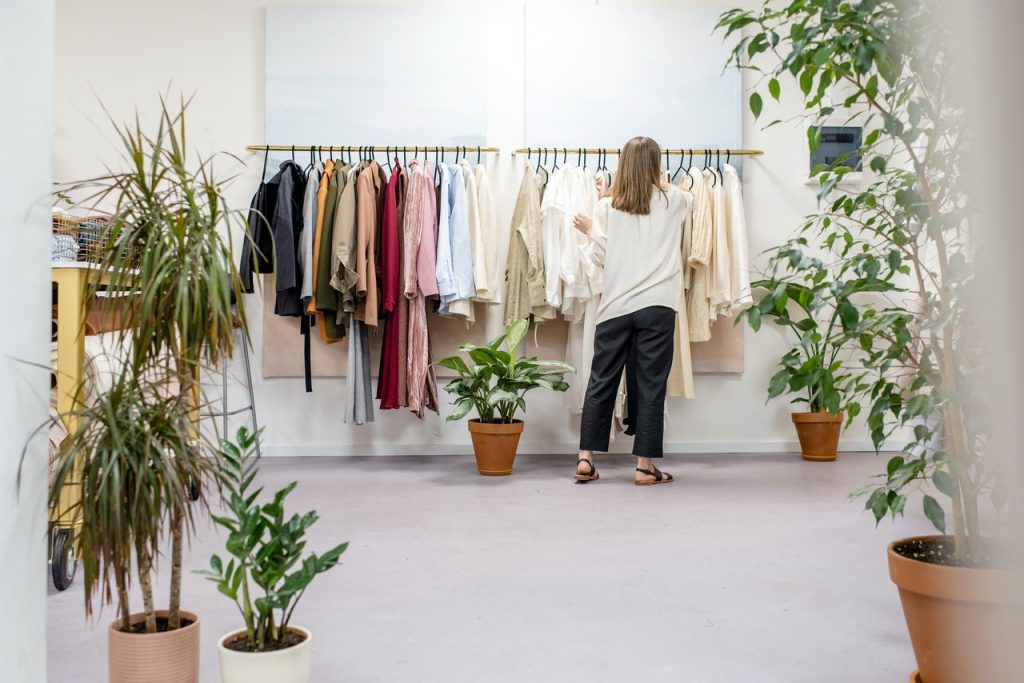
A fixed retail space, whether it's a unit inside a mall, a shop along a busy street in Deira or Karama, or a showroom in a business district, gives customers a permanent place to find you. Larger operations such as supermarkets, department-style stores and specialty chains typically need bigger inventory, more staff and stronger security arrangements, along with a landlord or mall management agreement covering fit-out, signage and operating hours.
Smaller specialty shops, the kind that sell handmade goods, imported spices, tailoring services or niche electronics, tend to need far less capital and can often be run by one or two people. These shops build loyal, repeat customers precisely because they offer something the big retailers don't: personal attention, local knowledge and a curated selection that reflects the tastes of the community around them, whether that's South Asian, Levantine, Filipino or Emirati shoppers.
A large and growing part of Dubai's retail scene happens outside a traditional shopfront. Kiosks in malls, pop-up stalls at weekend markets, home-based businesses run from an apartment or villa, and online stores selling through delivery apps or social media are all common. These formats avoid the cost of long-term retail leases and reduce staffing needs, which makes them attractive for first-time business owners testing an idea before committing to a physical space.
That said, non-store retail still has rules. Home-based businesses need to check what their building management or community association allows, since deliveries, walk-in customers and storage of stock can cause friction with neighbours in a residential tower or villa community. Anyone selling online still needs to register the business properly and understand which category of trade licence applies, since retail activities are grouped differently depending on whether you're trading physical goods, food items or services.
Retail businesses in Dubai fall under different licence categories depending on what you sell, and whether you set up on the mainland or in one of the free zones. Mainland licences generally allow you to trade directly across the city and deal with a wider range of customers, while free zone setups can suit businesses focused on e-commerce, wholesale or a specific trading niche. It's worth speaking to a business setup consultant or checking directly with the relevant Dubai authority before signing any lease, since the type of licence you hold affects where you can physically locate your shop or warehouse.
If your retail concept involves food, cosmetics or anything requiring health approvals, expect additional inspections and paperwork layered on top of the standard trade licence. Store owners should also budget time for approvals related to signage, fit-out and civil defence requirements, particularly in malls and larger commercial buildings where management companies have their own fit-out guidelines.
Location matters, but it's not the only thing that determines success. A shop tucked inside a busy, well-managed mall benefits from steady air-conditioned footfall and shared marketing, but comes with stricter lease terms and shared operating hours. A standalone shop along a community street may offer more flexibility and lower overheads but relies more heavily on your own visibility and signage to attract passersby.
Before committing to a space, think about who your customers are and where they already go. Consider proximity to public transport, parking availability, and whether the area sees a mix of residents, office workers or tourists. Areas near residential clusters tend to reward consistency and community trust, while locations near business districts or transit hubs may do better with quick, convenient purchases. Whichever direction you choose, visiting the location at different times of day, including during prayer times and the evening rush after work, will tell you far more about its real potential than any brochure.
The Big Moo is an events company which specializes in private children's events...
Everything about the 4-star Millennium Place Barsha Heights Hotel Apartments is...



 Log in with Google