Article by:
DubaiDirectory

Setting a benchmark for style, comfort and luxury, the 72-storey building was c...

Expect to pay AED 150 to 300 per square foot for design services alone on a residential project, and AED 250 to 800 per square foot once you add full fit-out execution, depending on finish level. A typical two-bedroom apartment renovation in a tower in JLT or Dubai Marina, at around 1,200 square feet with mid-range finishes, lands somewhere between AED 150,000 and 350,000 turnkey. A villa in Jumeirah or the Springs, with more floor area and often structural work, runs from AED 500,000 well past AED 2 million depending on how ambitious the brief is. If a quote comes in dramatically below these ranges, someone is cutting corners you won't see until the defects liability period runs out.
A single-room refresh, like a kitchen or majlis, is a different conversation. A kitchen renovation with new cabinetry, worktop and appliances typically costs AED 25,000 to 80,000 depending on whether you're going flat-pack or bespoke joinery. A majlis or living room redesign with new upholstery, lighting and joinery sits around AED 20,000 to 60,000. Ask whether VAT at 5% is included in the figure you've been given — it's a common gap between the number a designer says out loud and the number on the final invoice.
Nobody tells first-time renovators this, but the design is often the easy part. Getting permission to actually do the work is where projects stall. If you're a tenant, RERA rules mean you need written landlord consent for anything beyond cosmetic changes, and most landlords will want to see the scope before they sign off. Ejari registration matters here too — some building managements won't issue a work NOC without a valid, matching Ejari on file.
Then there's the building itself. Almost every tower in Business Bay, JLT, Dubai Marina and similar communities requires a No Objection Certificate from building management before any contractor sets foot on site. This typically covers freight lift booking, permitted working hours (usually 9am to 5pm, often excluding Fridays), noise restrictions, and a refundable security deposit against damage to common areas. Getting this NOC can take anywhere from three days to three weeks depending on the building, and it's not unusual for a project timeline to slip entirely because nobody applied for it early enough.
Any work touching electrical load, gas, or fire and life safety systems needs Dubai Civil Defence approval, and increased electrical demand — adding a second AC unit, say, or a home cinema setup — may need DEWA sign-off too. A properly licensed fit-out company handles all of this as part of the job and will tell you upfront who is responsible for which approval. If a designer waves this away as unnecessary, that's a warning sign, not good news.
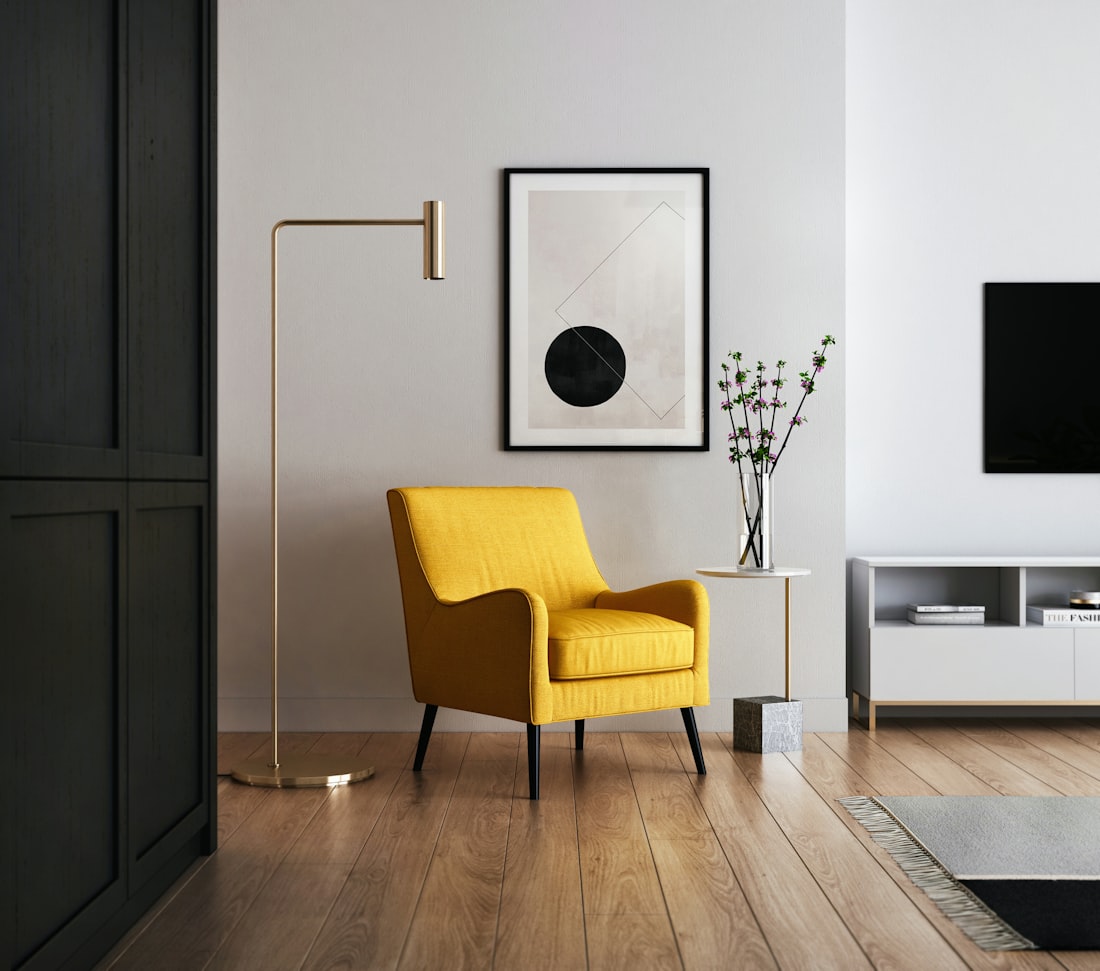
Interior design in Dubai is almost never a sole-trader affair — you're hiring a company, not an individual, because commercial activity here requires a DED trade licence or an equivalent free zone licence. This distinction actually matters for your project. A firm licensed only in a free zone, say in JLT or Dubai Media City, can design and consult freely, but many free zone licences don't permit on-site contracting work in mainland buildings. In practice, these firms subcontract the physical fit-out to a DED-licensed mainland contractor. That's normal and not a problem in itself, but you should know whether your main point of contact is the one physically executing the work or managing someone else who is, because that affects accountability if something goes wrong on site.
You can check a company's DED trade licence number through Dubai's official business registration portal before signing anything. It takes two minutes and confirms the company legally exists and is licensed for the activity it's quoting you for.
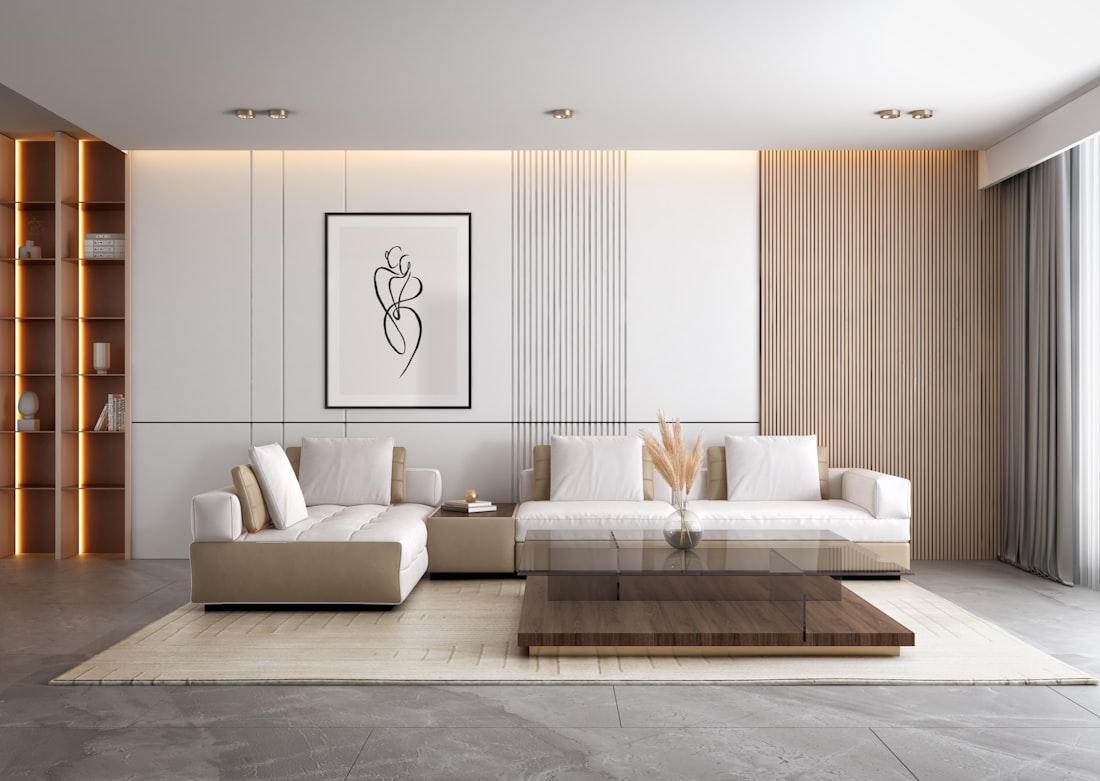
A handful of direct questions will tell you more than any portfolio website. Ask for the DED or free zone trade licence number and verify it yourself rather than taking a screenshot at face value. Ask who is responsible for obtaining the building NOC and how long it typically takes for your specific tower or community — a firm that's worked there before will know the answer immediately; one that hasn't will guess. Ask to see two or three completed projects in Dubai that you can actually visit or call the client about, since a lot of design portfolios online are borrowed international project photos rather than local work. And ask what happens to your payment schedule if imported materials — Italian tiles, upholstered furniture, custom marble — are delayed at customs, because that's one of the most common causes of a Dubai fit-out running weeks over schedule.
Al Quoz is the district to visit if you want to see quality before you commit — it's full of joinery workshops, upholstery ateliers and fit-out contractors' warehouses, and a decent firm will happily walk you through their workshop floor. Business Bay and the areas around DIFC host the higher-end corporate and residential design studios with client-facing showrooms. JLT has a dense cluster of smaller, often free zone-licensed design studios that are good for apartment-scale projects. Karama and parts of Al Barsha are where you'll find budget-friendly curtain, upholstery and carpentry shops suited to smaller jobs rather than full renovations, while Deira retains a strong traditional trade in soft furnishings and cheaper furniture-making. If your project is a villa in Jumeirah or the Emirates Hills area, look for firms that specifically list villa renovation experience, since tower fit-out and villa fit-out involve different logistics — villas usually don't need a building NOC, but they do involve more structural and landscaping coordination.
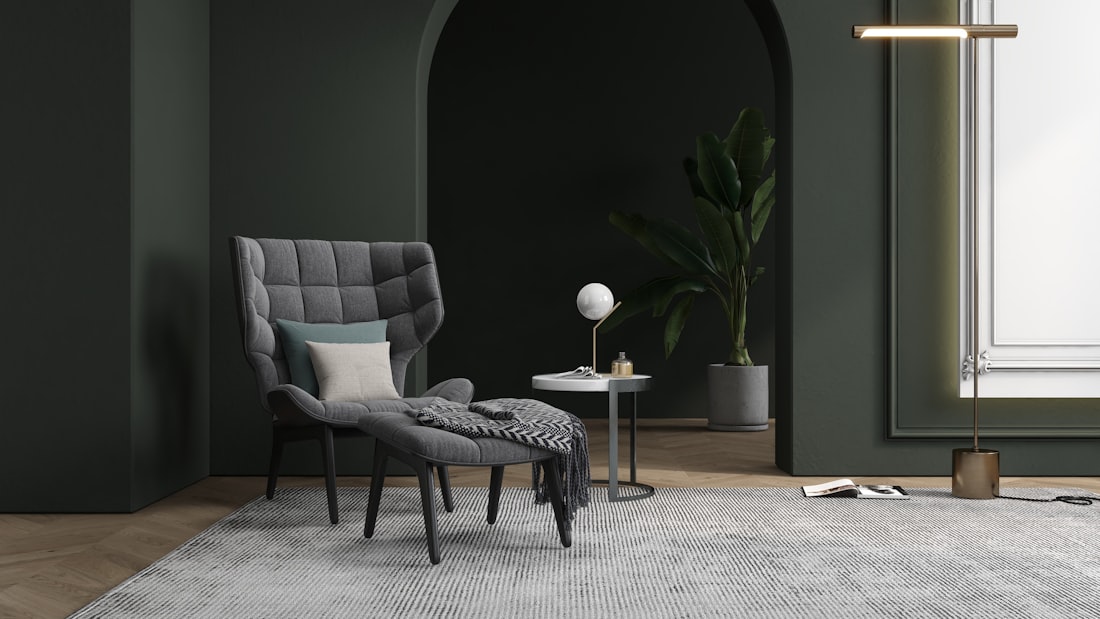
June through August is when most residents travel and towers empty out, so it's peak season for noisy, dusty fit-out work — bookings fill up and contractors' lead times stretch. August and September also bring a wave of new tenancy movers ahead of the school year, which pushes design consultation bookings up sharply at the same time. If your timeline is flexible, scheduling major works for the shoulder months of April to May or October gets you better contractor availability and often a firmer, less rushed quote.
The single most common failure point is a payment schedule that's front-loaded — a contractor asking for 50% or more before work starts, with no milestone tied to it. A fair schedule ties payments to defined stages: design sign-off, material procurement, first fix, second fix, and final handover, with a retention of 5 to 10% held until the defects liability period closes, typically 12 months. The second common problem is provisional sums — budget placeholders for items like sanitaryware or light fixtures that haven't been chosen yet — ballooning once the client picks premium products than what was budgeted. Ask for these to be capped or itemised with a specific brand and model in the quote, not left open. A proper quote is a bill of quantities, not a lump sum on a single page.
Setting a benchmark for style, comfort and luxury, the 72-storey building was c...
Are you ready to play the most challenging blacklit 18-hole mini golf course ar...



 Log in with Google