Article by:
DubaiDirectory

Founded in New York City in 1932, the brand continues to set the standard as th...

Search "jewellery near me" in Dubai and you'll get three very different kinds of result: gold souk traders selling by weight, mall boutiques selling branded pieces at fixed retail prices, and independent designers or workshops that make and repair to order. Which one you need depends entirely on whether you're buying an investment, buying a gift, or fixing something that already means something to you. Treat them as separate errands, because the pricing logic and the questions you should ask are not the same.
Almost all gold jewellery in Dubai is priced as two components: the gold value, calculated from the day's international gold rate multiplied by weight and purity, and the making charge, which covers craftsmanship and is added on top. The gold rate moves daily and is published by the Dubai Gold & Jewellery Group; most shops display it on a board or screen, updated a couple of times a day. Making charges typically run 15-25% of the gold value for standard machine-made chains and bangles, rising to 30-40% or more for intricate handmade or antique-style pieces. This is the number you negotiate — the gold value itself is not really up for discussion, since it tracks a public benchmark, but the making charge often is, especially on 22K pieces from the Gold Souk where haggling is normal and expected.
Purity matters more here than in many markets because Dubai sells a wider range side by side: 24K (999, pure but soft, mainly bars and coins), 22K (916, the traditional South Asian and Gulf standard for jewellery), 21K (popular in the Gulf and slightly harder-wearing), and 18K (750, common in Western-style and diamond-set designs because it holds stones better). Every piece sold legally in the UAE must carry a hallmark stamp verifying purity, applied under Dubai Municipality and Emirates Authority for Standardization and Metrology rules. If a shop can't show you the hallmark or claims it's "not necessary for this piece," that's a reason to walk.
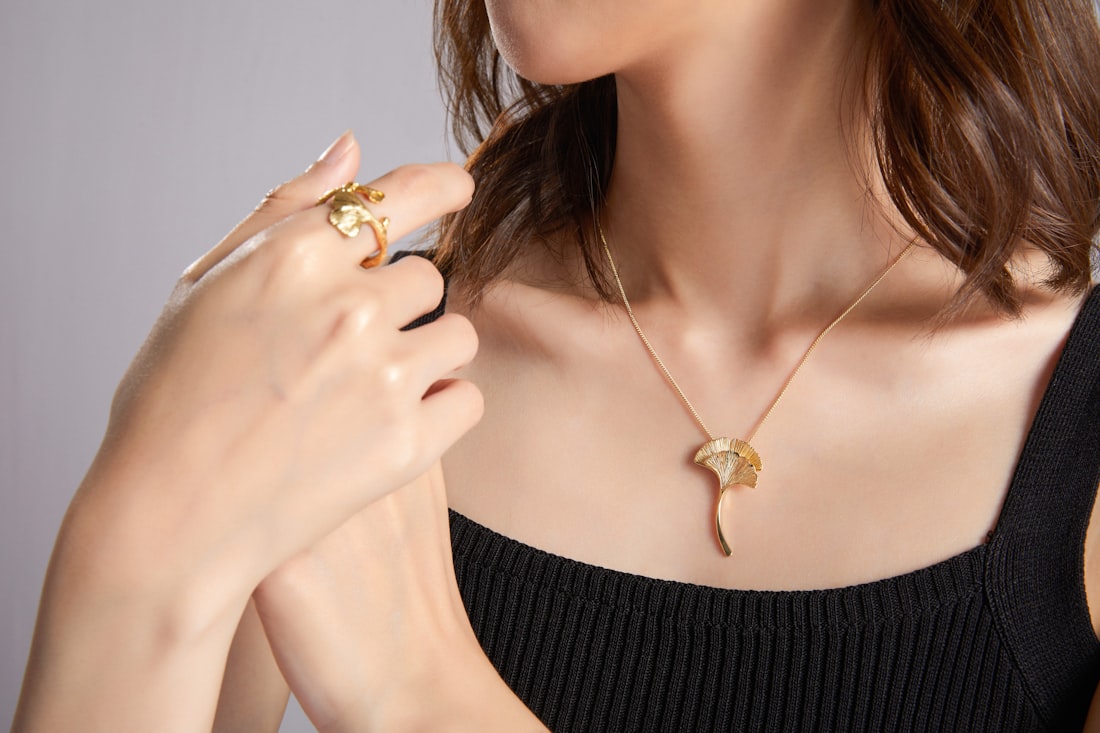
Deira's Gold Souk, around Sikkat Al Khail Street, is still the densest concentration of jewellery retail in the city — hundreds of adjoining shops, mostly independent, competing hard on making charges and open to negotiation. It suits buyers who know roughly what they want and are comfortable comparing three or four shops before committing. Meena Bazaar in Bur Dubai has a similar density with a slightly different customer base, strong on 22K and bridal sets. For diamonds and finished branded jewellery, Gold & Diamond Park on Sheikh Zayed Road near Al Quoz brings manufacturers and retailers into one complex, useful if you want to compare certified stones without crossing town. Dubai Design District (d3) is where independent and contemporary designers sit, better for custom or statement pieces than for gold-by-weight buying. Malls — Dubai Mall, Mall of the Emirates, Ibn Battuta — carry international and regional chains at fixed prices with less room to negotiate but more consistent after-sales service and easier returns.
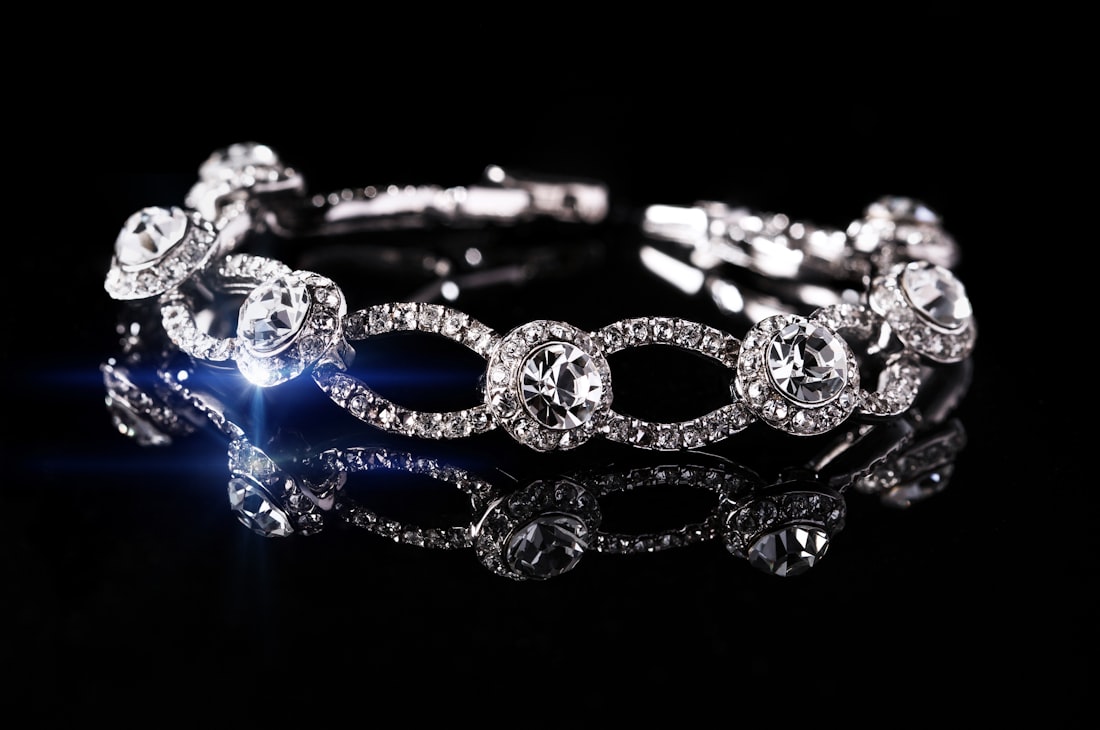
Buying a diamond or diamond-set piece without an independent certificate is buying blind. Ask specifically for GIA or IGI certification for the stone, which states cut, colour, clarity and carat weight verified by a lab with no financial interest in the sale — not a certificate issued by the shop itself. Dubai's DMCC free zone is one of the world's larger centres for rough and polished diamond trading, and reputable retailers across the city source through it, but that doesn't automatically mean every stone on every counter is independently graded. If a seller resists producing a certificate, or offers one from a lab you've never heard of, treat the price as unverifiable and move on.
A seller who answers all five without hesitation and hands over paperwork unprompted is almost certainly operating a licensed DED trading business rather than something informal. VAT at 5% applies to jewellery sales; tourists spending over AED 250 at a store registered for the Tax Free scheme can reclaim it through Planet kiosks at the airport before departure, so keep the tax invoice if that applies to you.
Simple repairs — a broken clasp, a resized ring, a re-tightened stone — are usually same-day or next-day work at Gold Souk or Meena Bazaar workshops, priced from around AED 50-150 depending on the piece and metal. Resizing a gold ring by one or two sizes typically costs AED 80-200; platinum and heavily set pieces cost more because the metal is harder to work and stones need resetting. Re-stringing a pearl necklace runs AED 50-100 depending on length and clasp type. More involved work — remaking a piece, resetting multiple stones, converting an old design into something new — should come with a written quote stating the labour charge separately from any additional gold or stones required, and a timeline, usually one to three weeks depending on complexity and whether the workshop is on-site or the piece is sent elsewhere for casting.
Be cautious handing over jewellery for repair without an itemised receipt describing the piece, its approximate weight, and any stones present. This protects you if there's a dispute later about what was handed in versus what came back. A jeweller who's reluctant to write this down is not someone you want holding your grandmother's ring for three weeks.
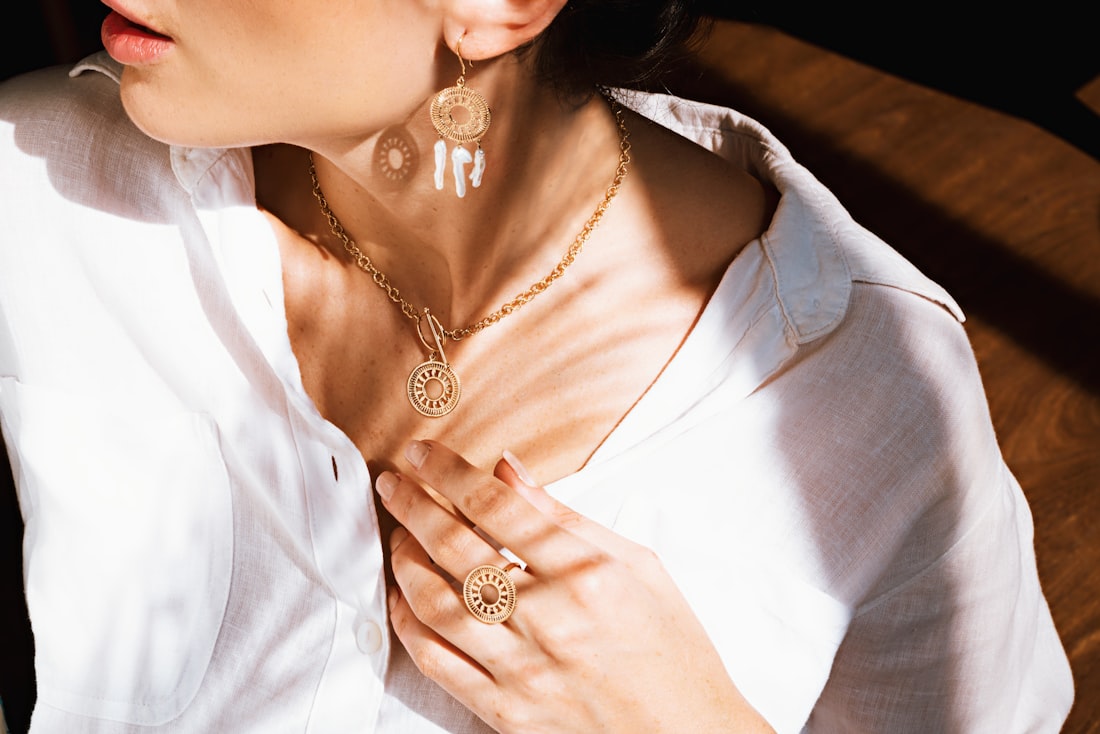
If you're insuring jewellery — increasingly common now that home contents policies are standard practice in Dubai rental agreements — you need a formal valuation certificate, not a verbal estimate. This should state metal purity, gross and net weight, stone details if applicable, and a current market value, ideally from a jeweller or independent valuer who isn't also trying to sell you a replacement. Expect to pay AED 100-300 for a written valuation on a single piece, more for complex sets. Insurers generally want this refreshed every two to three years given how much gold prices move.
Dubai Shopping Festival in January brings genuine promotions on making charges across the Gold Souk and major retailers, and it's also whenwedding season (roughly October to February) pushes demand up, so shops are busiest but also most competitive on price. If you're buying for a wedding or a big occasion, shop in November rather than the week before — selection is better and staff have more time to negotiate properly rather than processing a queue.
Abidos Hotel Apartments offers the luxury side of apartment living in Dubai.



 Log in with Google