Article by:
DubaiDirectory

Turn your world upside down and lose yourself in a fully immersive virtual real...

Three brackets cover almost every job in the city. A cosmetic refresh — new cabinet doors, a replaced countertop, repainted carcasses, no plumbing or electrical changes — runs AED 15,000 to 25,000 for a standard apartment kitchen of 8 to 10 square metres, the size you find in most JLT, Business Bay and Al Barsha towers. A full renovation with new carcasses, a quartz countertop, new sink and tap, and mid-range appliances lands between AED 35,000 and 65,000. Villa kitchens in Jumeirah, Arabian Ranches or Mirdif, where the footprint is larger and owners often specify imported cabinetry, marble worktops and built-in appliance packages, run AED 80,000 to 150,000 and up.
The single biggest cost swing is where the joinery is made. Contractors who fabricate cabinets in their own Al Quoz workshop typically price 20 to 30 percent below companies that outsource to a showroom brand, for the same plywood-carcass, 2-pac-finish spec. Ask where the cabinets are actually built. A showroom on Sheikh Zayed Road with no visible workshop is usually subcontracting anyway, and you're paying their margin on top of the real fabricator's.
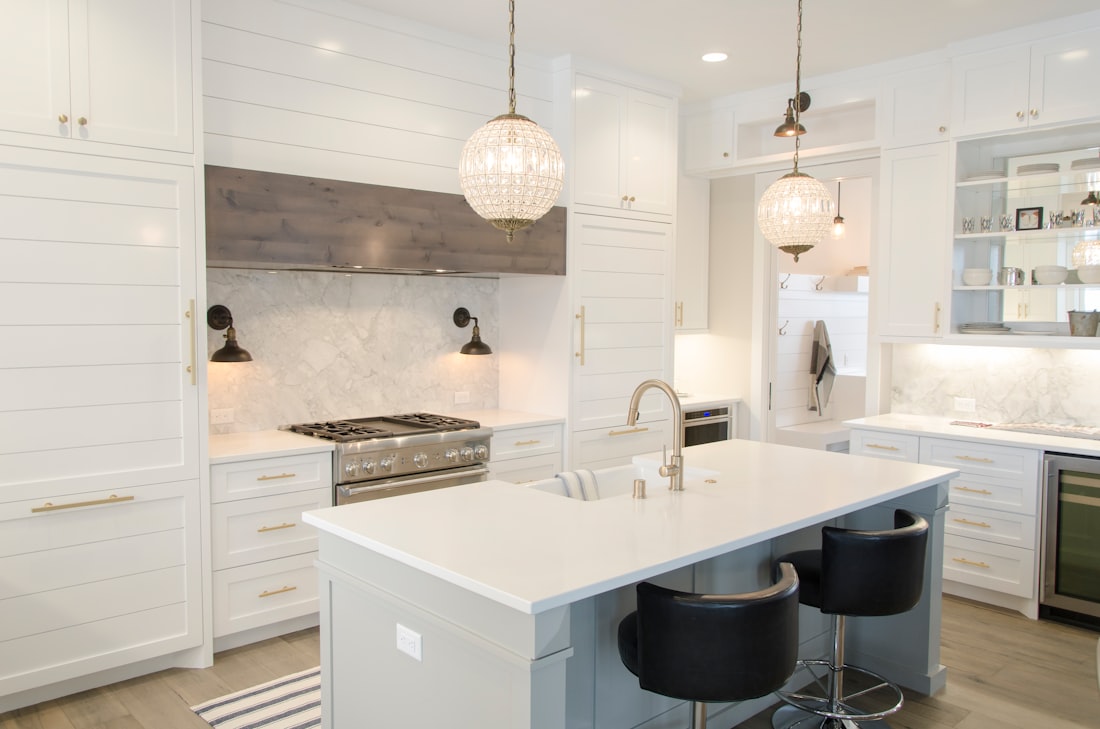
If you rent or own in a tower — Dubai Marina, JLT, Business Bay, Al Barsha — no contractor should start demolition before the building management has issued a No Objection Certificate. Management typically wants the contractor's trade licence copy, drawings showing the scope, and a refundable works deposit of AED 2,000 to 5,000, which you get back after a snagging inspection confirms no damage to common areas or the fire system. Expect five to ten working days for approval, and note that most towers restrict noisy work to Saturday through Thursday, often 9am to 6pm, with nothing permitted on Fridays or during building-wide quiet hours.
Anything touching a gas connection needs a DEWA-approved gas contractor specifically, not just a general renovation firm — this is a separate certification, and DEWA will not connect a new gas cooker point installed by an uncertified party. If you're a tenant rather than the owner, get written landlord consent referencing your Ejari contract before spending a dirham; alterations without landlord sign-off are a common source of deposit disputes at renewal.
Villas inside gated communities such as Emirates Living or Arabian Ranches usually skip the tower-management layer but still require developer NOC for anything visible from outside or touching shared infrastructure. Freestanding villas outside a managed community have the fewest hurdles, but any load-bearing wall removal — knocking a kitchen through to a majlis, for instance — needs Dubai Municipality structural approval regardless of area. Skipping this isn't a paperwork technicality; an unapproved structural change can void your building insurance entirely.
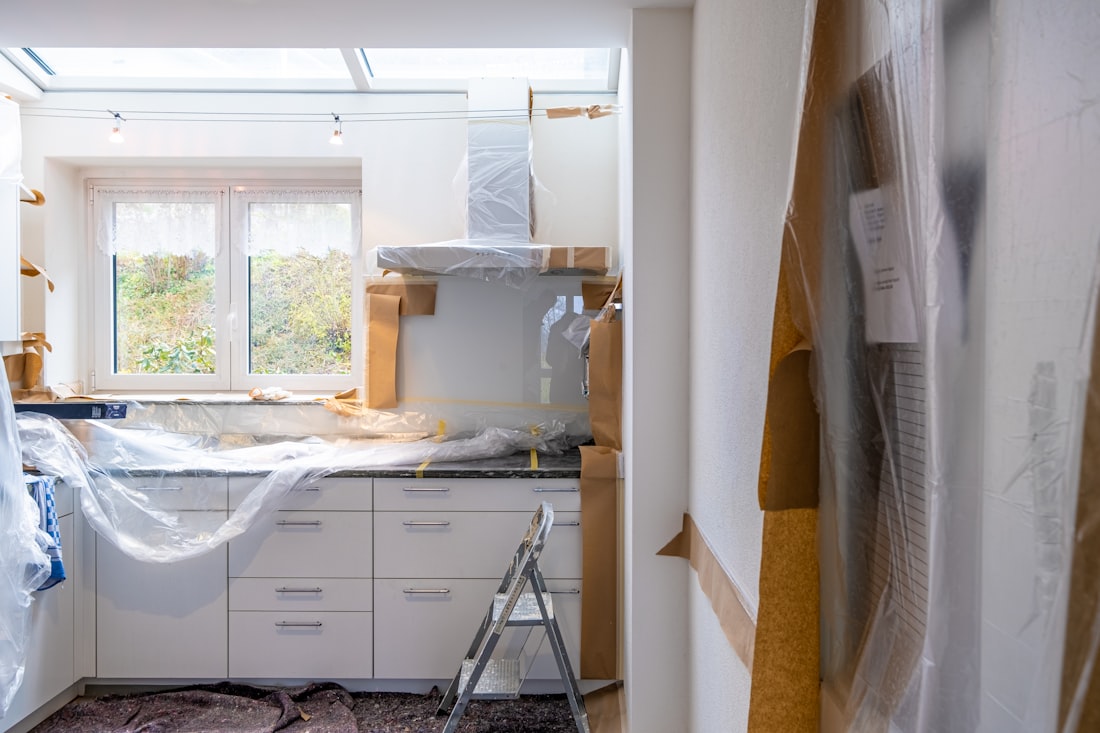
A realistic apartment renovation, from signed contract to final handover, takes three to five weeks. NOC approval takes the first five to ten working days and can run in parallel with material ordering. Demolition and strip-out takes two to three days. Electrical and plumbing rough-in, including any DEWA-notified changes, takes another three to five days and this is the point where hidden problems — old cast-iron waste pipes, undersized circuits — tend to surface and add cost. Cabinet installation follows once carcasses arrive; if you've specified natural stone or quartz, the fabricator needs an on-site template after the cabinets are fixed, which adds five to seven days of lead time before the worktop is cut and installed. Tiling, appliance fitting and snagging close out the job.
Two seasonal factors move both price and pace. Summer, June through August, is when demand actually rises for renovation work specifically — many families travel, leaving the property empty for weeks, which suits noisy work. Contractors' calendars fill up and quotes can sit 10 to 15 percent above the October to March period, when tenancy turnover and new-lease move-ins push demand toward faster, smaller jobs. Ramadan slows everything: shorter working hours are standard practice industry-wide, so add one to two weeks to any quote that spans the holy month.
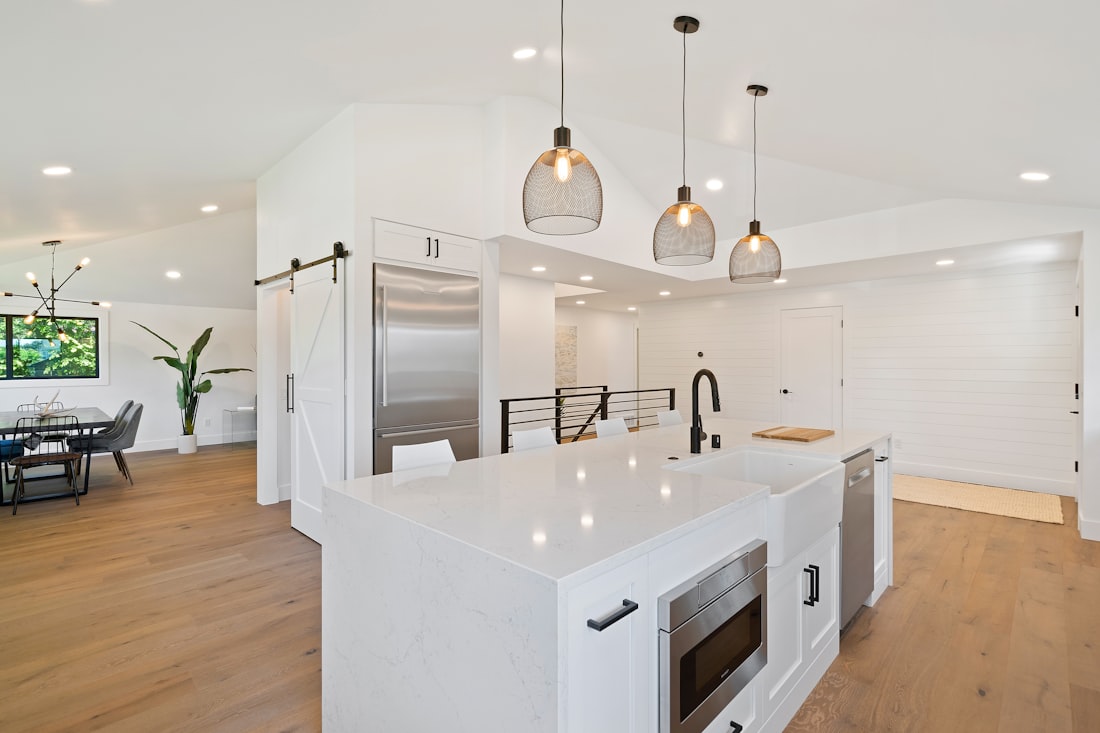
A written quote worth signing itemises the bill of quantities rather than giving you a single lump sum. It should specify the cabinet carcass material (plywood is more durable than MDF in Dubai's humidity swings between AC and outdoor air), the finish (melamine, 2-pac spray or veneer, in ascending price order), the countertop material and thickness (20mm quartz is standard, 30mm costs more and suits a waterfall edge), and appliance brands and models if included in the price rather than supplied separately. VAT at 5 percent should appear as a separate line, not buried in the total. Payment terms typically follow a 30/30/30/10 structure — deposit, carcass installation, substantial completion, and a 10 percent retention held back until snagging is signed off, usually two to four weeks after handover. Workmanship warranty should run at least 12 months in writing.
Ask to see the DED trade licence and check the company name on it matches the name on your invoice — a common trick is quoting under one entity and invoicing under another with no licence at all. Ask specifically who handles the gas connection, and ask for that person's DEWA approval number. Ask for photographs of two or three completed jobs in towers, not villas, since tower work proves they've actually managed an NOC process rather than just doing cash jobs in freestanding houses. A contractor who bristles at any of these questions, or who wants the full amount upfront in cash, is not one to hand a deposit to.
The most expensive failure is a contractor who starts work without the building NOC and gets shut down by security mid-demolition, leaving your kitchen unusable for weeks while paperwork catches up — always confirm the NOC is issued, not just submitted, before demolition day. The second is a rushed stone template that leaves gaps at the wall or sink cutout, which shows up only once the worktop is fitted and is expensive to redo. The third, and most damaging, is an unlicensed individual sourced through a WhatsApp group who takes a deposit and disappears; because there's no registered company, there's no trade licence to report to DED's consumer protection unit and limited practical recourse beyond a civil claim through Dubai Courts' small claims track for amounts under AED 500,000, which is slow and rarely worth pursuing for a partial deposit.
Liability sits with whoever holds the trade licence. If a licensed company's plumber floods the unit below yours, their business insurance and the licence itself give you a route to a claim. If an unlicensed individual does the same job cheaper, you are personally liable to your downstairs neighbour with no insurance behind you and no company to chase. That gap in liability, more than the price difference, is the real cost of hiring outside a proper DED-licensed contractor in Dubai.
Welcome to AquaFun inflatable Water Park, a unique inflatable water park based ...



 Log in with Google