Article by:
DubaiDirectory

Social House Dubai is an exciting restaurant offering flavours of the world. Th...

If you're locked out right now: expect to pay AED 150–250 for a standard home lockout during the day, AED 250–400 between roughly 10pm and 6am, and AED 100–200 for a straightforward car lockout on an older vehicle. Anything with a chipped or transponder key — most cars made after 2010 — moves into AED 300–600 territory because the locksmith may need to cut and programme a replacement key on the spot, not just pick the lock. If a quote lands well outside these bands, ask why before they start work.
Dubai's locksmith market splits cleanly into three tiers: the 24-hour dispatch companies who advertise heavily online and answer within minutes, the neighbourhood key-cutting shops in places like Karama, Satwa and Deira who are excellent for duplicate keys and basic cylinder changes but don't do emergency callouts, and the industrial workshops around Al Quoz and Ras Al Khor who handle safes, commercial shutters and high-security mortise locks. Knowing which one you actually need saves time and money — a Deira key-cutter can copy a standard house key for AED 15–30 in five minutes, something a dispatched emergency locksmith will charge you AED 150+ to do at your door.
Pricing in Dubai moves on three variables: time of day, lock type, and whether entry is destructive or non-destructive. A skilled locksmith picks a standard pin-tumbler lock without damage in a few minutes; an unskilled one drills it out and charges you for a new lock and cylinder you didn't need. Ask upfront whether they intend to pick or drill, and get the answer before they touch the door.
Rough ranges you can hold providers to: home lockout AED 150–250 (day) / AED 250–400 (night, Friday, or public holiday); lock cylinder replacement AED 200–400 depending on brand and whether it's a multipoint lock common in Marina and JLT towers; car lockout AED 100–200 for basic models, AED 300–600 where key programming is involved; safe opening AED 300–800+ depending on the safe's make and whether it's bolted into a wall; smart lock supply and fit AED 400–900 plus the cost of the device itself. Summer adds urgency rather than cost on paper, but be aware that a car locked in direct August sun with a child or pet inside is treated as an emergency by every legitimate operator and by Dubai Police, who can and will break a window free of charge if you call 999 — always the right call over waiting for a locksmith in that specific scenario.
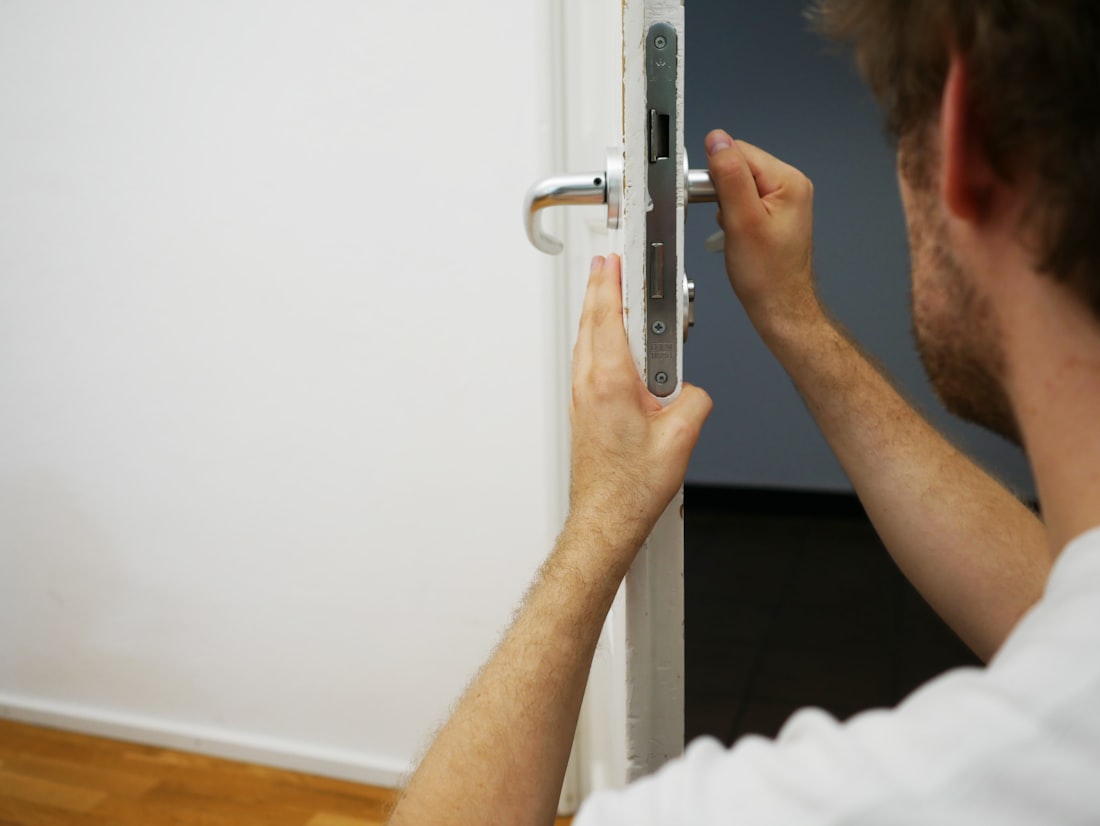
Locksmithing in Dubai is a regulated trade activity under the Department of Economy and Tourism (DED), and legitimate operators work through a licensed company rather than as individuals — this is true of almost every trade here, not a quirk specific to locksmiths. Before you let anyone in, ask for the company's trade licence number; a real business will give it to you without hesitation, often printed on the invoice or the van livery. It's also worth knowing that a company licensed only in a free zone isn't permitted to dispatch technicians to a mainland address like your villa in Al Barsha or apartment in Business Bay — a legitimate locksmith serving Dubai households and offices holds a mainland DED licence, or operates as a branch of one.
Payment is the other tell. Reputable companies take card or transfer on completion and give a proper invoice with the company name, TRN, and a description of the work done. Anyone asking for full payment upfront by bank transfer before they've left their workshop, or who won't give a landline number, is not someone you want holding a key to your property.
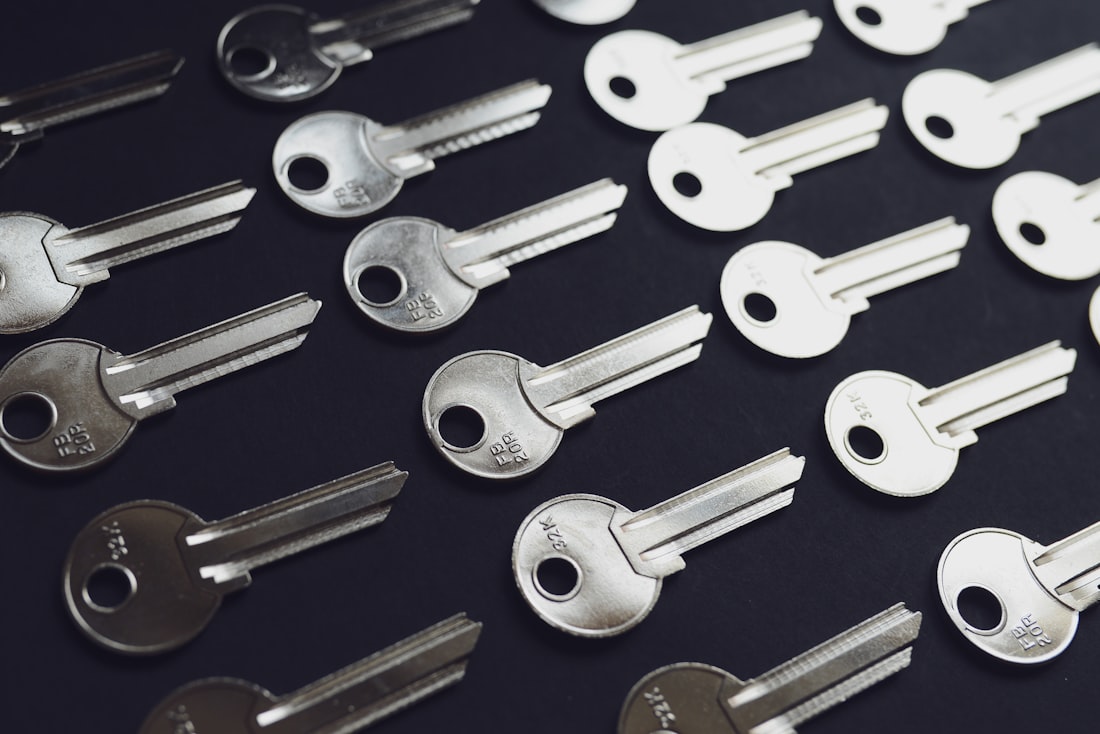
A properly run locksmith company will ask questions before drilling or picking a lock they don't recognise you at: your Emirates ID, proof the address matches your name, or for a car, the Mulkiya (vehicle registration) matching the plate. This isn't bureaucracy for its own sake — it's the industry's basic defence against being used to break into someone else's home or car, and it protects the locksmith as much as it protects you. If your name isn't on the tenancy or the car registration — a common situation with shared flats or company-leased vehicles — have the account holder available by phone, or expect the locksmith to decline the job. For break-ins where the lock has clearly been forced, or where you've lost your only key to a rented property and can't prove tenancy, the locksmith may ask you to get a police report first; this is standard practice and takes less time than people expect, typically same-day at the nearest police station or via the Dubai Police app.
If you're a tenant, changing the main lock without your landlord's written consent breaches most standard Ejari tenancy contracts, even if you're paying for it yourself. In managed towers across Dubai Marina, JLT and Business Bay, building management typically holds a master key policy and requires advance notice, sometimes a small administration fee, before any lock swap — check with the building's facilities management office first, not just your landlord, since the two aren't always the same conversation. Villa communities such as Arabian Ranches or the Springs generally give owners and tenants more latitude, but community management may still want to know if you're changing gate or garage locks tied to a shared access system.
A trustworthy locksmith gives you a price range over the phone based on the lock type and situation, then confirms the final figure before starting work — not after. A written or WhatsApped quote worth trusting includes:
Social House Dubai is an exciting restaurant offering flavours of the world. Th...
Nikki Beach Resort & Spa Dubai located on the waterfront of Pearl Jumeira, allo...



 Log in with Google