Article by:
DubaiDirectory

A cool and contemporary beachside retreat.

Most people typing "manufacturing near me" into Google in Dubai aren't looking for a giant plant. They need a workshop that can turn a drawing, a sample, or an idea into a physical product — metal brackets, custom furniture, printed packaging, uniforms, signage, plastic parts. That kind of work happens in specific pockets of the city, and knowing which one saves you a wasted afternoon driving to the wrong industrial estate.
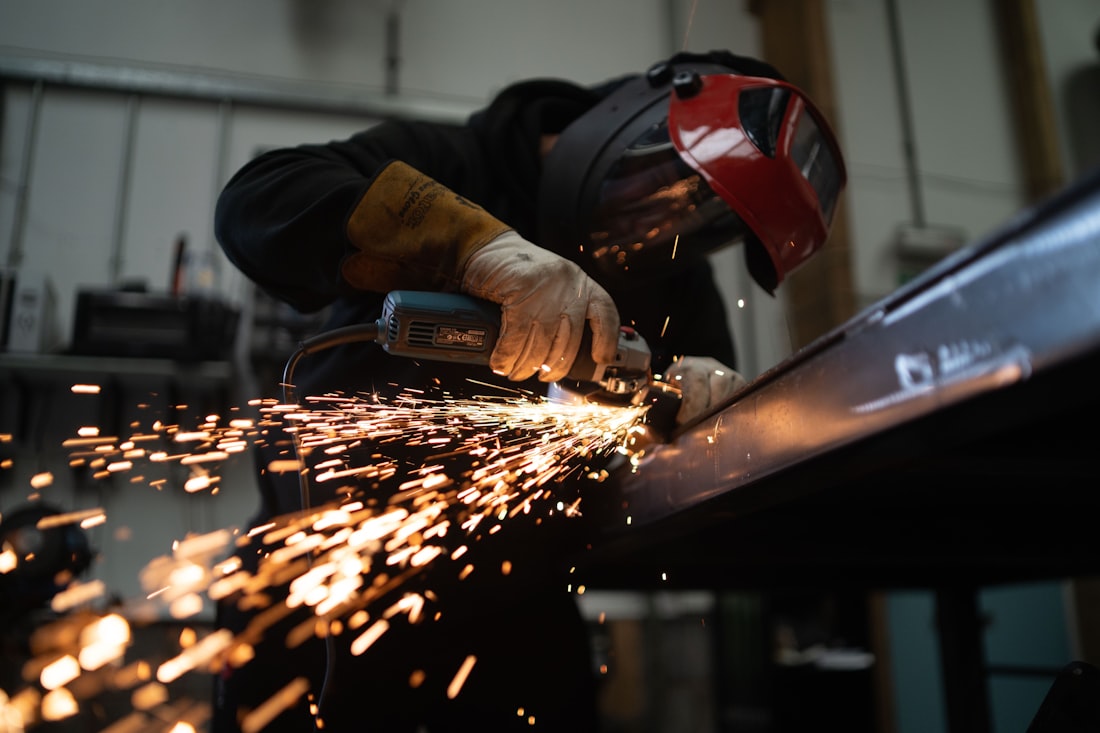
Al Quoz Industrial 1 to 4 is the default hub for anything involving metal fabrication, joinery, upholstery, printing, and sign-making. It's dense, it's unglamorous, and it's where a huge share of Dubai's hospitality fit-outs, retail displays, and custom furniture actually get built, often in workshops with no signage facing the street at all. If your job involves welding, cutting, spraying, or wood, start here.
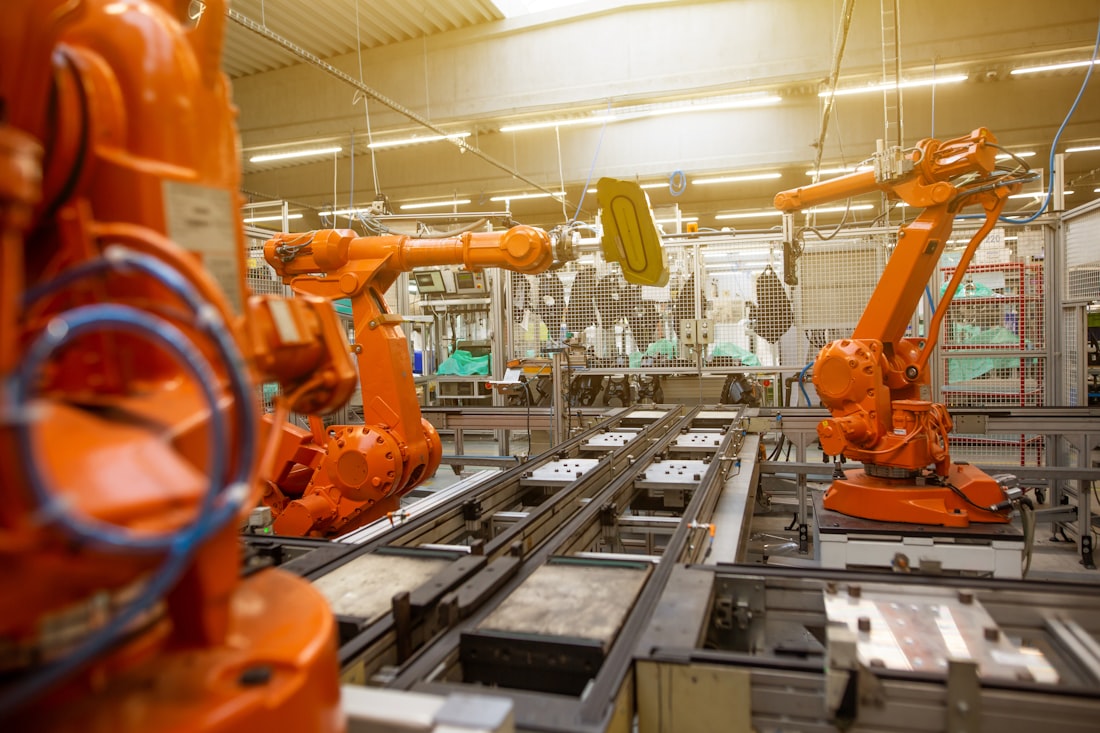
For anything heavier — food processing, larger metal works, chemical handling — you'll more often find licensed operations in Ras Al Khor or Dubai Investment Park (DIP), both zoned with the buffer distance from residential areas that Dubai Municipality requires for noise and emissions. If you're commissioning something at real volume, meant for export, or need bonded storage, Jebel Ali Free Zone (JAFZA) and Dubai Industrial City are where the larger contract manufacturers sit, many of them set up specifically to serve regional re-export rather than the local Dubai market.
This trips up a surprising number of people commissioning a product for local resale. A free zone manufacturer can produce your goods, but if the company only holds a free zone licence, moving that product into the UAE mainland market technically counts as an import and can attract 5% customs duty, plus the paperwork that comes with it. A mainland-licensed manufacturer, by contrast, can sell and deliver directly anywhere in Dubai without that friction. If you're building stock for a shop in Karama or a stall at a local market, ask which licence type you're actually dealing with before you place a deposit — not after the goods arrive.
A DED trade licence with an industrial activity code means the company is legally permitted to manufacture. A commercial licence means they're permitted to trade — buy and sell — but not necessarily produce. Plenty of outfits marketing themselves as manufacturers hold only a commercial licence and quietly subcontract the actual production to a workshop you never see. That's not automatically a problem, but it does mean quality control sits one layer removed from the person you're negotiating with, and it's worth knowing before you sign.
A fair quote separates the one-off costs from the per-unit costs, and it states a lead time in weeks, not "soon." Look for tooling or mould cost quoted separately from the unit price — for injection-moulded or die-cast parts this is often the biggest single line item, and it should be clear whether the tooling remains your property afterwards. Sample cost should be stated, along with whether it's credited against the final order once you approve it. Payment terms are almost always structured as a deposit — commonly 50% to start work — with the balance due before collection or shipment, not before production even begins. If the quote is silent on any of these, ask directly; a workshop that manufactures regularly will have these terms memorised.
Prices move with material, complexity, and volume, but these ranges hold up across most Al Quoz and DIP workshops for mid-sized runs:
If a quote lands well below these, ask what's being cut — usually it's material grade, or the job is being subcontracted to an unlicensed home workshop, which carries its own risks around consistency and recourse if something goes wrong.
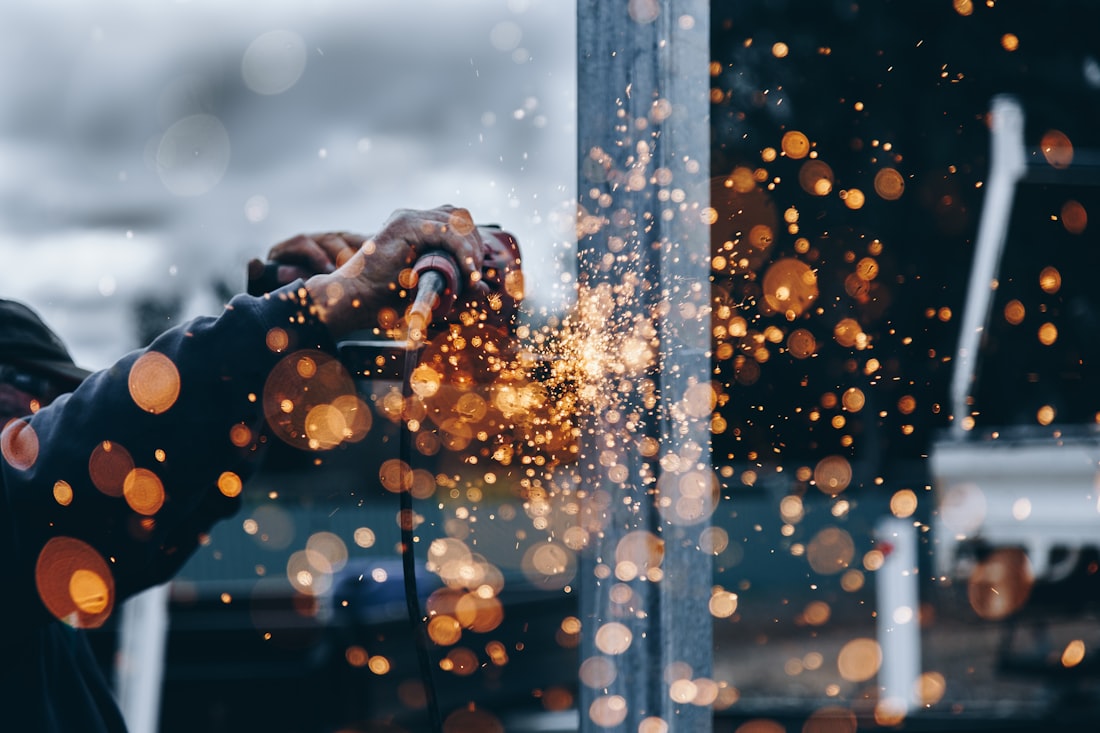
Ask to see the production floor, not just a showroom or an office. A legitimate manufacturer has no reason to keep you away from the machines. Ask what DEWA connection the premises runs on — an industrial tariff connection suggests a properly zoned, licensed facility; a residential or ad-hoc commercial connection running heavy equipment is a sign the setup may not be fully compliant. For anything involving welding, spray painting, or open flame, ask whether they hold a Dubai Civil Defence certificate for the premises; this is a fire-safety requirement, and its absence matters if something goes wrong on site. For food-related manufacturing, ask specifically about Dubai Municipality Food Safety Department approval and, if relevant to your buyers, halal certification — these aren't optional add-ons, they're the difference between a sellable product and one that gets held at the point of sale.
June through September slows almost everything physical. Outdoor and semi-outdoor fabrication work in Al Quoz often shifts to early morning hours to avoid the worst heat, and that alone can add several days to a schedule that looked fine on paper in March. Ramadan compresses working hours by law, which stacks further delay onto any job already mid-production. And because a large share of raw material and componentry — sheet metal, fabric rolls, plastic resin, hardware — comes through import channels linked to China, the weeks around Chinese New Year routinely cause supply gaps that catch first-time buyers off guard. Build two to three weeks of slack into any deadline that falls across these periods, and ask your manufacturer directly whether your materials are stocked locally or ordered in for the job — that one question tells you more about your real lead time than anything else on the quote.
Overlooking the pristine waters of the Arabian Gulf and set in 19 acres of land...



 Log in with Google