Article by:
DubaiDirectory

KidZania® is an award-winning children’s ‘edutainment’ concept, KidZania® combi...

Typing "markets near me" into Google in Dubai returns four genuinely different kinds of place, and confusing them wastes a trip. There are the historic souks in Deira and Bur Dubai selling gold, spice and fabric. There's the wholesale trading floor at Al Aweer in Ras Al Khor, where restaurants and grocers buy produce by the box before dawn. There are seasonal weekend lifestyle markets like Ripe, which only run in cooler months and vanish entirely in summer. And there are bargain textile and souvenir bazaars, chiefly Karama, where the asking price is a starting position rather than a fact. Knowing which one you actually need saves a wasted trip and a bad negotiation.
The Gold Souk, Spice Souk and Textile Souk sit within a short walk of each other around Al Ras and Baniyas metro stations, on opposite banks of the Creek from Bur Dubai's Meena Bazaar. They keep a split shift: roughly 10am to 1pm, then 4pm to 10pm, with most vendors reopening later on Fridays because of midday prayer. Turning up at 2pm on a Tuesday means half the shutters are down — this catches out more visitors than anything else about these markets.
Gold is sold by weight at a rate fixed daily by the Dubai Gold and Jewellery Group and displayed on screens inside most shops, so the metal itself isn't where you negotiate. The making charge is. Expect AED 20 to 40 per gram for a simple chain design and AED 80 to 150 per gram for handmade or Italian-style pieces with intricate work. Ask for the making charge broken out separately from the gold price before you agree anything — a shop that won't separate the two figures is one to leave. In the Spice Souk, real saffron runs AED 25 to 40 per gram; anything offered at AED 10 to 15 is almost certainly adulterated with safflower or dyed corn silk. A fair pashmina, wool-silk blend, sits around AED 60 to 120 depending on weight and weave; pure silk versions cost more and should feel noticeably different when you rub the fabric between your fingers.
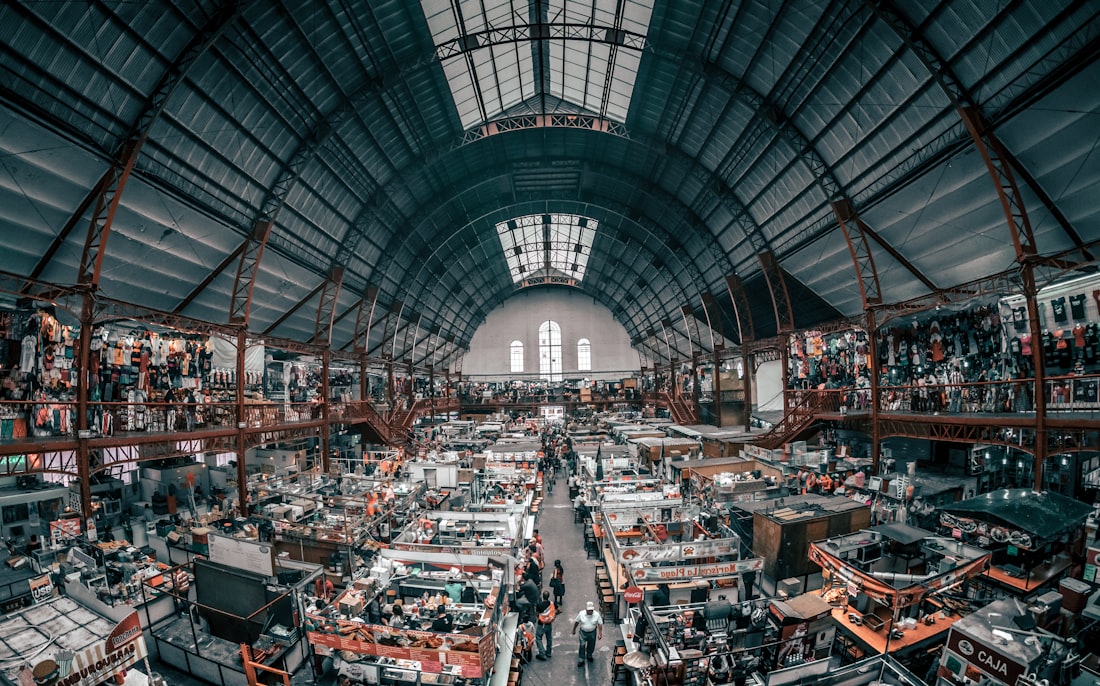
Deira's old fish, meat and vegetable market was demolished and rebuilt as the air-conditioned Waterfront Market, which opened in 2021 for retail shopping — fish, meat, fruit and vegetables under one roof, with parking and no haggling over weighing scales in the heat. What moved out was the wholesale trade: bulk buying by restaurants, hotels and grocery chains now happens at the Al Aweer trading floor in Ras Al Khor, which runs from around 4am and is genuinely busiest before 8am. Individual shoppers can buy there too, but the stock is priced for volume — a 5kg box of mangoes runs AED 20 to 35 depending on season and variety, cheaper than buying loose fruit by the kilo at a supermarket, but you're committing to a box, not a punnet. Fresh hammour typically costs AED 45 to 70 per kilo depending on size and season; kingfish AED 35 to 55. Go after 9am and the best fish has already gone to restaurant buyers; go before 7am and you'll be shoulder to shoulder with catering vans.
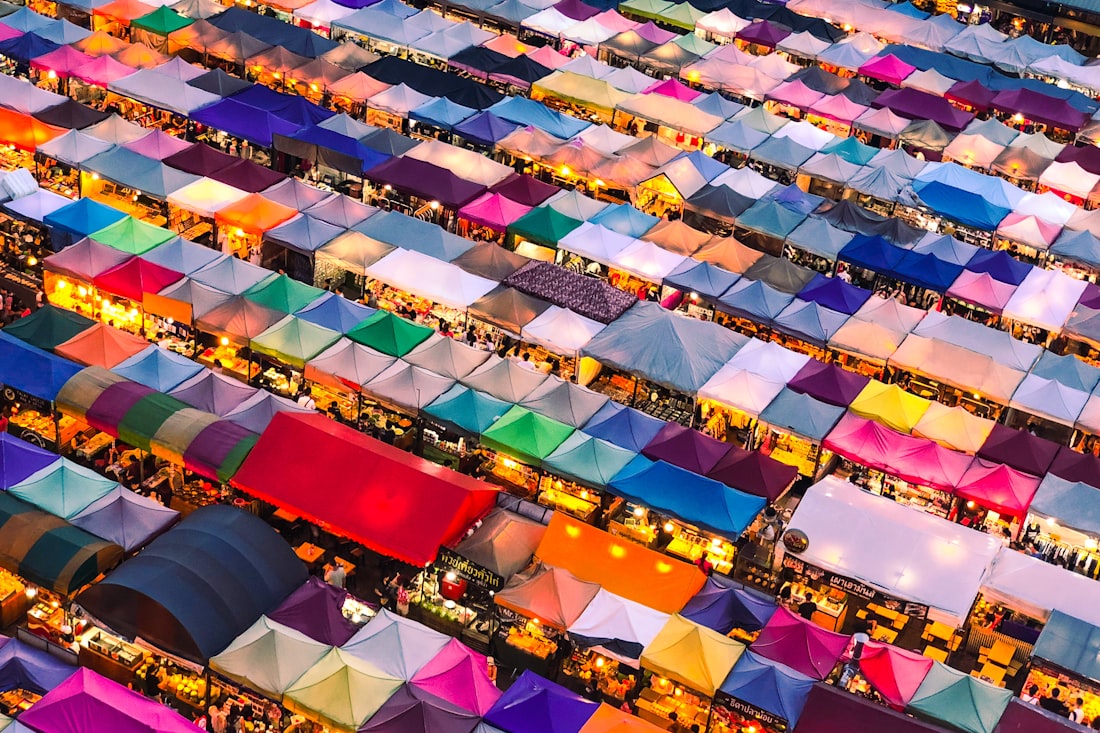
Ripe Market and similar open-air lifestyle markets run Thursday through Saturday from roughly October to April, usually at Academy Park in Al Barsha or at Dubai Design District, with produce stalls, food trucks and small local brands. They close completely for summer — not reduced hours, actually closed — because standing outdoors in 45°C heat isn't viable for stallholders or shoppers. Entry is normally free; parking runs AED 10 to 20 where it isn't complimentary. Last Exit's food-truck pop-ups follow a similar seasonal logic at various highway and beachside locations. If you've found one of these online and it's July, check the date on the post before you drive out.

Karama's market strip, along with smaller equivalents in Satwa, deals in clothing, bags, souvenirs and fabric, and the asking price is routinely two to three times what a stallholder will actually accept. A t-shirt quoted at AED 60 often settles at AED 20 to 25; a "leather" bag quoted at AED 200 might land at AED 70 to 90 once you've walked away twice. Bargaining here isn't rude, it's the expected mechanism — vendors price in the negotiation. The one thing worth knowing before you start: branded goods sold in these markets are, almost without exception, replicas. Nobody is pretending otherwise, and buying one isn't illegal for the shopper, but don't expect after-sales service or a warranty.
Every legitimate stall in these markets, from a gold shop to a fruit vendor to a food truck, operates under a Dubai Economy and Tourism (DED) trade licence, and food stalls additionally need a permit from Dubai Municipality's food safety section. That licence should be displayed, and any registered business can issue a tax invoice showing its trade licence number and TRN. This matters because it's your route to recourse. If a Gold Souk shop misrepresents purity or a market stall sells you food that makes you ill, you report the trade name to Dubai Economy's Consumer Rights service on 600 545555 or via the Dubai Now app, and because the business is licensed, it can be investigated and fined. Unlicensed sellers — the occasional table set up without a permit at the edge of a weekend market — carry none of that accountability, and your money is effectively gone if something's wrong. If a stall can't produce a receipt with a business name on it, treat that as your warning sign before you pay, not after.
The most common complaint at the gold and spice souks is inflated tourist pricing that locals wouldn't pay — this is solved entirely by knowing the daily gold rate and the AED 25–40/gram saffron benchmark before you walk in, and by treating the first price as an opening bid. At the wholesale markets, the recurring issue is quality dropping fast after mid-morning as the best stock sells to trade buyers; arriving early fixes this. At weekend lifestyle markets, the main failure is turning up in June expecting an outdoor event that closed for the season months earlier — check the organiser's Instagram for current dates rather than an old blog post. And at Karama, the issue people actually mind about after the fact isn't the replica goods, which are sold openly, but paying full asking price because they didn't realise bargaining was expected.
Ramadan changes trading hours across all of these: shops in the souks often trade shorter hours before iftar, then stay open unusually late — sometimes past midnight — once the fast breaks, and footfall shifts accordingly. Through June to September, expect the indoor souks and Waterfront Market to keep normal hours since they're air-conditioned, while every outdoor weekend market goes dark until autumn. If you're negotiating in the low season — June to August, when tourist numbers thin out and vendors are keener to turn over stock — you generally have more room to push a price down than you would in the December to February peak, when the same stall has ten other buyers waiting.
KidZania® is an award-winning children’s ‘edutainment’ concept, KidZania® combi...
Within easy reach of the city’s prime business & leisure attractions Creating ...



 Log in with Google