Article by:
DubaiDirectory

Each Sofitel draws inspiration from local culture and tradition while celebrati...

The number on the board outside an exchange house is not the number you'll actually get. Every currency counter quotes two rates — one for buying your dirhams off you, one for selling you foreign currency — and the gap between them, the spread, is where the house makes its money even when a sign says "zero commission". Walk past three exchanges on the same street in Deira and you'll often see the USD sell rate move by two or three fils per dollar. On AED 10,000 worth of currency, that's a genuine AED 50-100 difference for thirty seconds of extra walking. That's the first thing worth knowing before you type "money exchange near me" and walk into the nearest storefront.
The dirham is pegged to the US dollar at 3.6725, so USD-AED barely moves and there's almost nothing to gain by shopping around for dollars specifically — any licensed exchange will be within a few fils of the peg. The differences that matter are in floating currencies: GBP, EUR, INR, PKR, PHP, and the rest. As a rough guide for a walk-in cash transaction of a few thousand dirhams, expect the spread between buy and sell on GBP or EUR to run about 1.5-3% at a competitive Deira or Bur Dubai counter, and 3-5% or worse at a mall kiosk or hotel exchange. INR and PKR, being remittance-heavy currencies, often carry tighter margins than you'd expect because the exchange houses compete hard on the send-money-home business — sometimes better than the standalone cash rate, because they use the outbound transfer to bring in customers.
Ignore the big rate printed on the digital board and ask the teller directly: "how many dirhams will I get for 500 pounds", or "how many pounds will I get for 2,000 dirhams". That forces the real, all-in number, including any flat fee, onto the table. A shop advertising "no commission" can still give you a worse net return than one charging a flat AED 10 fee with a tighter spread.

Deira — specifically Al Rigga Road, Al Sabkha, and the streets around the Gold Souk and Al Ghurair Centre — has the highest density of licensed exchange houses in the city, a legacy of Dubai's role as a historic trading and remittance hub. That density creates real price competition, and it's the one place in Dubai where walking an extra 200 metres to compare two more counters is genuinely worth the effort. Bur Dubai's Meena Bazaar area works the same way, slightly quieter but similarly competitive, and convenient if you're already near Al Fahidi or Karama.
Contrast that with exchange counters inside Dubai Mall, Mall of the Emirates, or hotel lobbies in Downtown and Dubai Marina — these exist for convenience and footfall, not competition, and the spread reflects that. You're paying for not having to drive to Deira. Airport exchange counters are the worst of all for casual amounts; they serve a captive audience with no alternative in the terminal, and rates there can be 5-8% off the street rate. If you land at DXB and need dirhams immediately, change enough for a taxi and errands, and do the rest of your exchange once you're in the city.
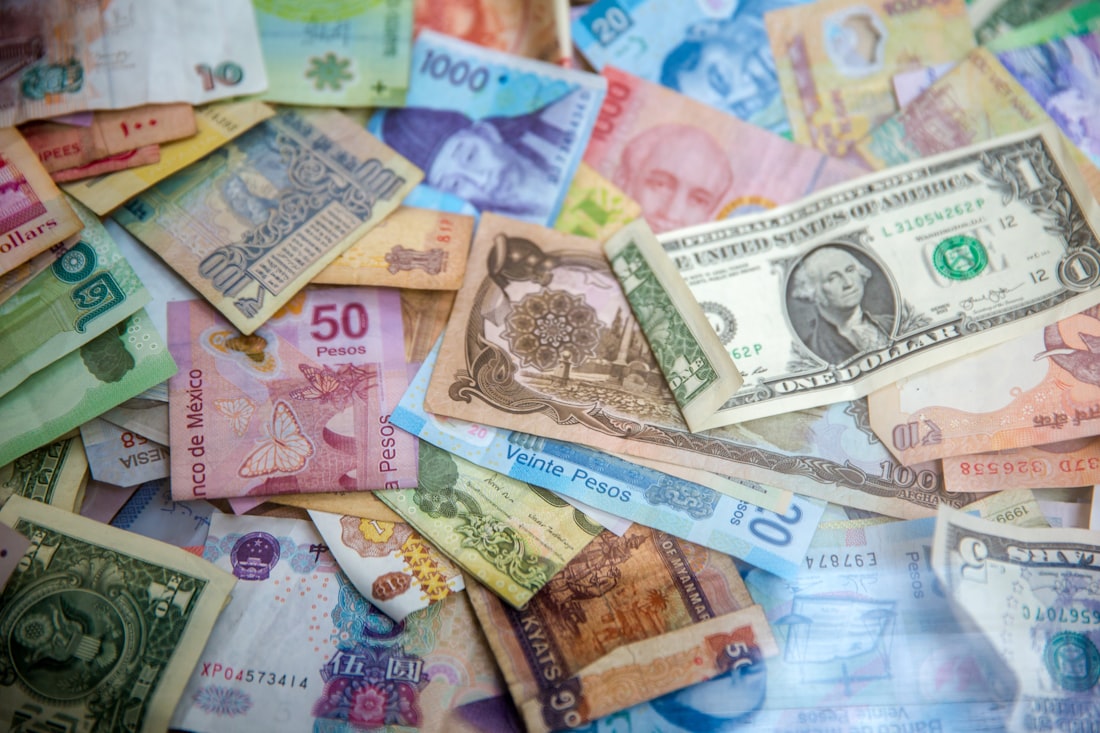
Every legitimate money changer in the UAE operates under a licence from the Central Bank of the UAE, not the general DED trade licence that covers most retail businesses — currency exchange is treated as a regulated financial activity because of anti-money-laundering law. A genuine exchange house will display its Central Bank licence certificate somewhere visible, usually near the till or at the entrance. If you can't find one, or the counter is inside an unrelated shop (a mobile phone repair place also offering to "change money", say, in older parts of Karama or Satwa), walk away — you have no regulatory recourse if a dispute arises, and the notes themselves carry a higher counterfeit risk because there's no institutional accountability behind the transaction.
This licensing structure is also why you won't find sole-trader currency dealers the way you might find an independent electrician or handyman. Exchange houses are always corporate entities, often with a dozen or more branches across the emirate, precisely because the Central Bank licence is issued to the company and its named branches, not to an individual.
UAE anti-money-laundering rules require exchange houses to record identification for cash transactions and to file enhanced due diligence above certain thresholds — in practice, anything approaching or exceeding AED 55,000 in a single transaction will trigger a request for your Emirates ID or passport, and possibly a simple declaration of the source of funds, even for legitimate savings or property-related transfers. This isn't the exchange house being difficult; it's a legal obligation they carry personally, and a well-run branch will explain it upfront rather than springing it on you at the till. If a counter offers to "split" a large transaction into smaller amounts to dodge the paperwork, that's a red flag about their own compliance standing, not a favour to you.

Two things cause almost all the complaints. First, miscounted notes — always count what you're handed in front of the teller, note by note, before you step away from the window; once you leave, disputing a shortfall becomes your word against theirs. Second, counterfeit or damaged foreign notes handed out in exchange for your dirhams, which mainly affects older or heavily circulated GBP and EUR notes; a reputable exchange checks its own stock, but it costs nothing to glance over what you're given, particularly with larger denominations.
Rate bait-and-switch is rarer at licensed houses but does happen at quieter branches during low-competition hours — a rate quoted verbally that changes once you produce cash, blamed on "the board updating". If that happens, ask for the printed or displayed board rate to be honoured, or leave. You lose nothing by walking to the next branch, and in Deira there usually is one.
If the actual goal is sending money to family abroad rather than holding foreign cash, treat it as a separate decision. Exchange houses compete hardest on remittance corridors to India, Pakistan, the Philippines, and Bangladesh, often subsidising the transfer fee to near zero while making their margin on the exchange rate applied. Compare the total amount that arrives on the other end, not the advertised fee — a "free transfer" with a poor rate can cost more than a AED 15 fee with the interbank-adjacent rate. Most branches now let you check that day's remittance rate on their website or app before you leave home, and several let you lock a rate online and complete the transaction in branch, which is worth doing during Ramadan or the summer travel season (June to August) when queues at the busier Deira branches lengthen noticeably and walk-in rates can lag slightly behind the online quote.
Winter months, especially November to February, bring the opposite pressure: heavier tourist footfall around Downtown and the Marina pushes convenience-counter rates further from the street rate, while Deira and Bur Dubai, serving a mostly resident and worker clientele rather than tourists, hold steadier pricing year-round.
Each Sofitel draws inspiration from local culture and tradition while celebrati...



 Log in with Google