Article by:
DubaiDirectory

Arranged over four floors around the hotel’s stunning open-atrium, the 279 room...

A local move within Dubai for a one-bedroom apartment typically runs AED 500 to 900 with a two- or three-man crew and a covered truck. A two-bedroom moves the price to AED 900–1,500. A three-bedroom villa, especially one with a garden shed and a maid's room nobody mentioned on the phone, lands between AED 1,800 and 3,500. Packing materials — boxes, bubble wrap, wardrobe cartons for hanging clothes — add another AED 200–600 unless the company has bundled them into a package. If someone quotes you AED 300 for a full villa move, they are either desperate for cash flow or planning to renegotiate once your furniture is on the truck.
Dubai's moving market runs on the school year and the visa cycle, not the calendar year. June to September is peak season: families relocate before the new school term, contracts renew, and a huge number of residents leave the heat for good. Expect quotes 20–40% higher than winter rates in this window, and expect your preferred date to be unavailable unless you book 10–14 days out. The other predictable spike is the last week and first week of each month, because most Dubai tenancies run on Ejari cycles that end mid-month or month-end, and everyone tries to move out and in around the same few days. If your lease allows flexibility, booking a move for the second or third week of a winter month will get you the sharpest pricing and the widest choice of crews.
This is the part that catches newcomers out. Almost every mid- to high-rise residential tower in Dubai Marina, JLT, Business Bay, Downtown, and increasingly in Al Barsha and Deira's newer developments, requires a move-in or move-out permit from the building management before anyone touches the service lift. You will usually need to submit a copy of your Ejari or tenancy contract, pay a refundable security deposit (commonly AED 500–2,000, returned within a few weeks if there's no damage to lift panels or corridors), and book a fixed time slot — often restricted to weekdays between 9am and 6pm, with weekend slots either unavailable or carrying a surcharge. Some buildings insist the moving company itself is pre-approved and insured, and will turn away a truck that shows up without the paperwork. Sort this with your building management office at least three working days before the move, not the morning of.
Villas in communities like Arabian Ranches, Al Barsha, or Jumeirah don't have this problem, but narrow service roads and gated community access do sometimes require the mover's vehicle registration to be logged with community security in advance. Ask your mover if they've moved into that specific community before — an experienced one will already know the drill.
Moving and relocation is a licensed activity under Dubai's Department of Economy and Tourism (DED). A legitimate company operates under a trade license with an activity code covering removal of furniture and household goods, not a general transport license, and should be able to give you a trade licence number on request — you can verify it through the DED's business registration lookup. Most operate as mainland companies precisely because door-to-door residential moves across the emirate require that mainland licence; a free-zone-registered outfit generally can't legally carry out this work directly and will be working through a mainland partner, which is worth knowing if something goes wrong and you need to know who to hold accountable.
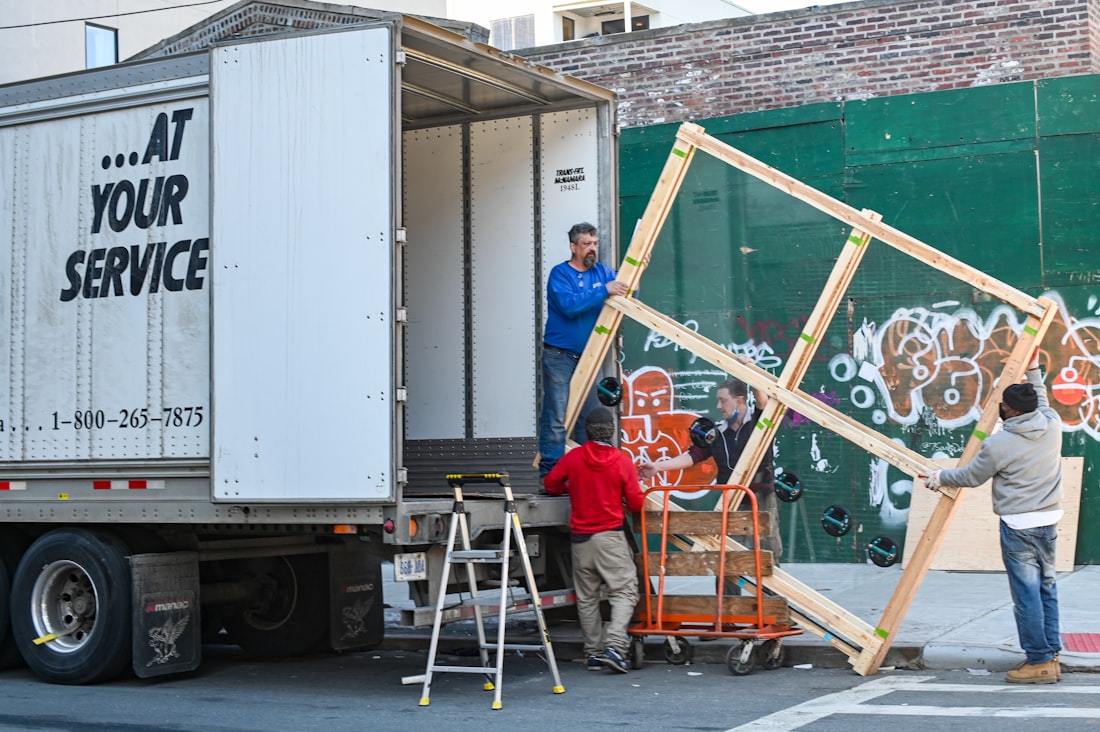
Anyone can rent a Al Quoz industrial-area pickup truck and put a phone number on Dubizzle. That doesn't make them insured, trained in furniture handling, or contactable after your washing machine arrives with a cracked drum. Ask these before you commit:
A company that answers all five without hesitation is worth paying a bit more for. One that gets vague about insurance or subcontracting is the one that goes silent on WhatsApp when a mirror arrives shattered.

A written quote — not a verbal number on a call — should itemise labour, vehicle size, packing materials if included, insurance coverage and excess, any building permit assistance, and a clear statement of what triggers extra cost. It should also specify the crew size and truck size, because a three-tonne truck with two men moving a three-bedroom villa is a set-up for a very long day and possible damage from rushing. Get the inventory list signed by both sides before loading, noting existing scratches or damage on furniture — this is the single most common source of dispute afterwards, and the one document that actually protects you if a claim needs to be made.
If you're shipping household goods internationally rather than across town, pricing shifts to a per-cubic-metre basis for sea freight, generally cheaper but with a four-to-eight-week lead time depending on destination — Southeast Asia and the Indian subcontinent tend to be quicker than the UK or the Americas. Air freight is faster but costs several times more per cubic metre and is usually reserved for essentials only. Customs paperwork at the destination end is the buyer's responsibility in most cases, so ask your Dubai-based mover whether they handle destination customs clearance themselves or hand you off to a local partner once the container lands — that handoff point is where delays and unexpected fees tend to appear.
For anything in between — a short-term posting, a gap between one lease ending and the next starting — short-term storage is common in Dubai, with facilities concentrated around Al Quoz and Ras Al Khor. A small unit for the contents of a one-bedroom apartment typically runs AED 300–800 a month, and most moving companies can arrange it as part of the same booking rather than leaving you to coordinate two separate providers.
Enjoy incredible waterside views and remarkable comfort at the Radisson Blu Hot...

 Log in with Google