Article by:
DubaiDirectory

L'Occitane en Provence is an international retailer of body, face and home prod...

A single visit to spray a one-bedroom apartment against cockroaches or ants should cost somewhere between AED 150 and AED 300. A villa, because of the garden, driveway and larger perimeter, runs AED 400 to AED 800 per visit. Termite treatment is a different order of magnitude entirely — AED 1,500 to AED 5,000 or more depending on the size of the structure and whether it's a localised chemical barrier or a full sub-slab injection. If a quote for a standard apartment comes in under AED 120, ask what chemical they're using and how long the technician will actually spend on site; a fair visit takes 30 to 45 minutes minimum, not five.
Every legitimate pest control operator in Dubai must hold a permit from Dubai Municipality's Pest Control Section, separate from the general DED trade licence that lets the business exist. This permit is renewed annually and ties to specific technicians, specific chemicals, and specific application methods. A company can have a perfectly valid trade licence for "cleaning and pest control services" and still be operating illegally if the Municipality permit has lapsed or was never issued for that category. Ask for the permit number and the technician's individual certification card before anyone opens a chemical container in your home. Reputable firms produce this without hesitation; the ones stalling or changing the subject are the ones worth avoiding.
This matters because the chemicals approved for residential use in the UAE are restricted, and misuse has genuine health consequences, particularly in a country where windows are sealed for months at a time and air conditioning recirculates whatever's in the room. Unlicensed operators sometimes bring in agricultural-grade product because it's cheaper and more aggressive. It works faster and it's exactly why you don't want it near where you sleep.
Pest problems in Dubai aren't uniform across the city, and a company that treats every job the same way is a red flag in itself. Al Quoz, with its warehouses, workshops and older labour accommodation packed close together, sees heavier rodent activity — the industrial drainage and stored goods give rats and mice both food and cover, so treatment there often includes bait stations along the perimeter, not just interior spraying. Deira and Karama, with their older low-rise buildings and shared internal risers, are classic German cockroach territory; the pests move between units through plumbing gaps, so a single apartment treatment without coordinating with neighbours is often a temporary fix at best.
Villa communities in Jumeirah, Umm Suqeim and the Arabian Ranches deal with a different mix: garden ants, termites drawn to irrigated landscaping and timber decking, and mosquitoes breeding in stagnant pool covers or plant saucers after rain. Tower living in Business Bay, JLT and Dubai Marina brings its own pattern — bed bugs travelling in via furniture, luggage or previous tenants, and ants following AC condensation lines into kitchens. A technician who inspects the AC drainage and window seals in a tower flat, or checks irrigation lines in a villa, is doing the job properly. One who walks in, sprays the skirting boards and leaves inside ten minutes is going through the motions.

Demand for pest control in Dubai roughly doubles between May and September. Heat and humidity accelerate insect breeding cycles, and residents notice cockroaches and ants far more because they're driven indoors chasing moisture and air conditioning. This is also when prices creep up 15-20% at busier operators, and booking lead times stretch from same-day to two or three days out. If your problem isn't urgent, scheduling in the cooler months (November to March) gets you faster appointments and sometimes better rates, because companies are competing harder for a smaller volume of jobs.
Winter brings its own shift: rodents move indoors seeking warmth and shelter as outdoor temperatures drop at night, so November through January tends to see a rise in rat and mouse callouts, particularly in ground-floor units and villas near construction sites or open land — Ras Al Khor's edges and newer developments still bordering desert plots see this pattern clearly.
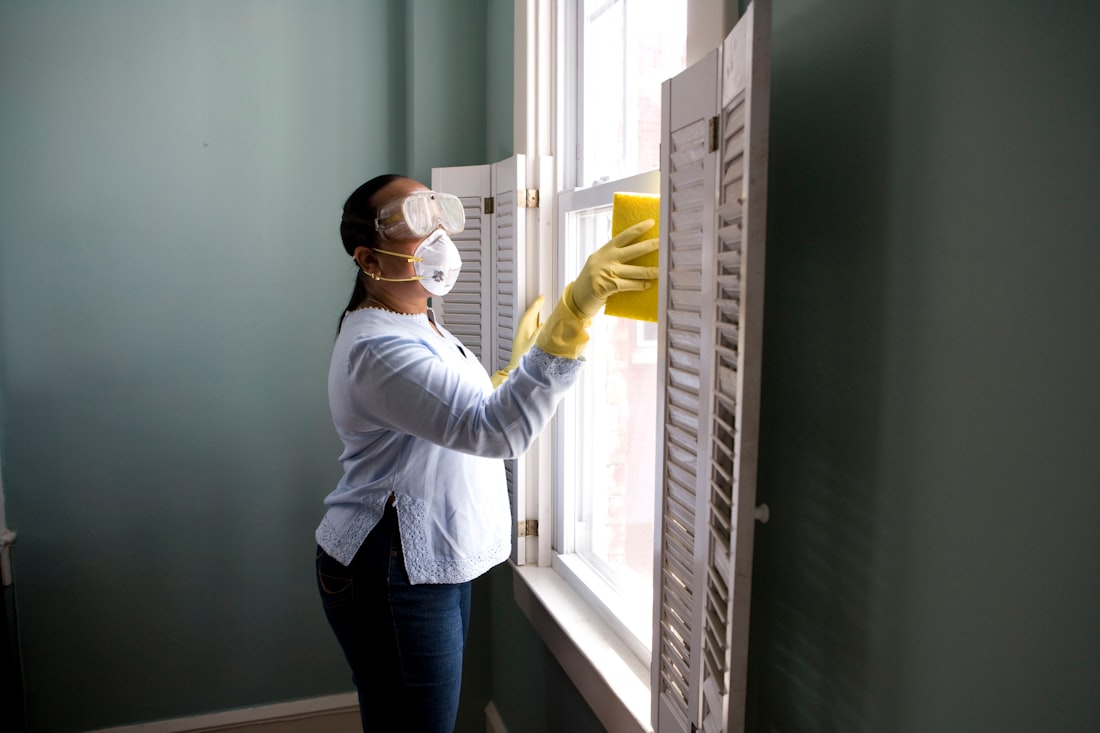
A technician arrives, and the first thing a competent one does is ask questions before touching a sprayer: where have you seen activity, at what time of day, how long has it been going on, has anyone in the household got respiratory issues or allergies. Then comes inspection — behind appliances, under sinks, along skirting boards, around AC units and drainage points, and in villas, the garden perimeter and any wooden structures. Only after this does treatment start, usually a combination of gel baiting in cracks and crevices (safer around children and pets than blanket spraying) and residual spray along entry points. A full treatment for cockroaches typically needs a follow-up visit 10-14 days later to catch the next generation hatching from eggs the first treatment didn't reach. If a company offers a one-and-done job with no follow-up built in, treat that as a warning sign rather than a bargain.
Annual contracts are common and often better value than paying per visit if you've had recurring issues: expect AED 600-1,200 a year for an apartment with quarterly visits, and AED 1,200-2,500 for a villa. Restaurants and food outlets face a stricter regime again, since Dubai Municipality's Food Control Department requires documented pest management as part of food safety compliance, usually monthly visits with logged treatment records available for inspection.
This catches a lot of tenants out. Under most standard Dubai tenancy contracts registered through Ejari, general pest infestations — the kind that arise from the building's structure, shared plumbing or pre-existing conditions — are the landlord's responsibility to treat and pay for. If the infestation results from tenant negligence, such as leaving food out or poor waste management, the cost typically falls on the tenant. Check the specific clause in your contract before assuming either way, because some landlords write pest control explicitly into tenant obligations regardless of cause, and that clause is enforceable if you signed it. If a landlord refuses a legitimate request and the building has a genuine structural pest issue, a written notice followed by a complaint to RERA's rental dispute centre is the formal route, though most disputes resolve well before that stage once there's a paper trail of requests.
A handful of things reliably separate a competent operator from someone working without proper training or permits.
A legitimate company will honour its guarantee period with a free follow-up visit — this should be stated on the invoice before you pay, not negotiated after the fact when the problem returns. If a company refuses to return or the infestation persists well beyond the guarantee window despite repeated visits, Dubai Municipality accepts complaints against pest control operators directly, and this carries real weight because it's the same body that issues and can suspend their operating permit. Keep every invoice, photograph the affected areas before and after each visit, and note dates — this record is what turns a vague complaint into one the Municipality or a rental dispute committee can act on quickly.
L'Occitane en Provence is an international retailer of body, face and home prod...
Boasting three levels of designer apparel, beauty and accessories, Bloomingdale...



 Log in with Google