Article by:
DubaiDirectory

Offering an innovative range of gourmet food and beverage, Café Bateel combines...

There are really only three places pet food in Dubai comes from, and knowing which one fits your situation saves both money and the occasional trip to the vet. Large supermarkets in Al Barsha, Marina, and Deira carry basic and mid-range dry kibble, canned food, and treats — fine for a healthy adult cat or dog on a standard diet, but thin on anything specialist. Dedicated pet retail warehouses, concentrated in Al Quoz and pockets of Ras Al Khor, stock a much wider range and sell 15kg-plus bags noticeably cheaper because they buy direct from distributors rather than through a supermarket's margin stack. Veterinary clinics are the only legitimate source for prescription diets — renal, urinary, hypoallergenic — because those formulas are genuinely medical and shouldn't be sold to anyone who hasn't had a diagnosis.
Prices in Dubai vary more by brand tier than by location, but as a working guide: budget dry food runs AED 35–70 for a 3kg bag, mid-range grain-inclusive formulas sit at AED 90–140 for the same size, and premium or grain-free lines run AED 150–220. Buying in bulk changes the maths — a 15kg bag of a premium brand typically costs AED 350–550, which works out noticeably cheaper per kilo than buying three or four smaller bags over the same period, and it's where the Al Quoz warehouses earn their keep. Wet food is roughly AED 4–12 per standard can or pouch and AED 15–25 for premium wet lines. Prescription diets cost more per kilo than anything else on this list — expect AED 130–220 for a 1.5–2kg bag — and that price reflects the formulation, not just the packaging. Raw or frozen diets, increasingly available through specialist delivery services, run AED 25–45 per kilo depending on the protein.
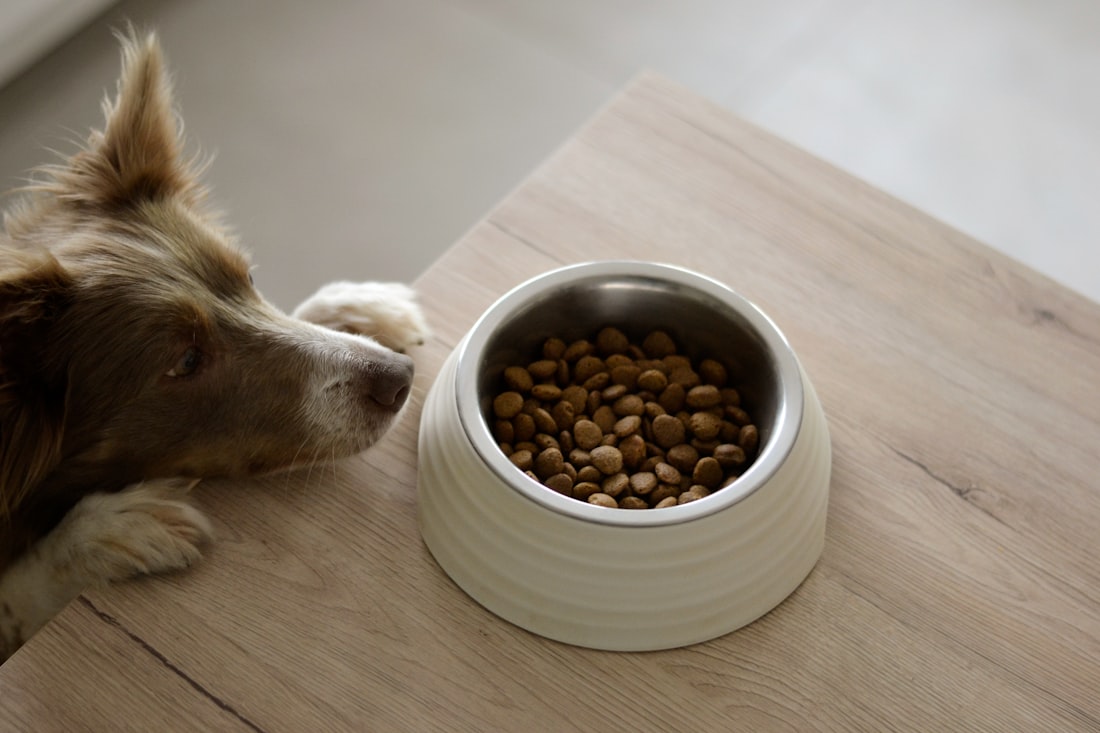
Dubai's climate does something to pet food that most owners never think about until a bag smells off or a can arrives warm and slightly domed. Dry kibble loses nutritional quality faster when stored in non-air-conditioned warehouses through June to September — the fats in the coating can turn rancid well before the printed best-before date, which is why a bag that's been sitting in an Al Quoz storage unit at 45°C for weeks can smell different from one bought fresh at a supermarket with proper climate control. Wet and raw food is more sensitive still. If you're ordering canned or frozen food for summer delivery, ask directly how it's transported — a proper distributor uses insulated or refrigerated vehicles for the Dubai Marina to Business Bay to JLT run; a smaller reseller doing deliveries from the back of a regular car in August is a real risk, not a theoretical one. A bloated or dented can, regardless of the expiry date printed on it, should go straight back.
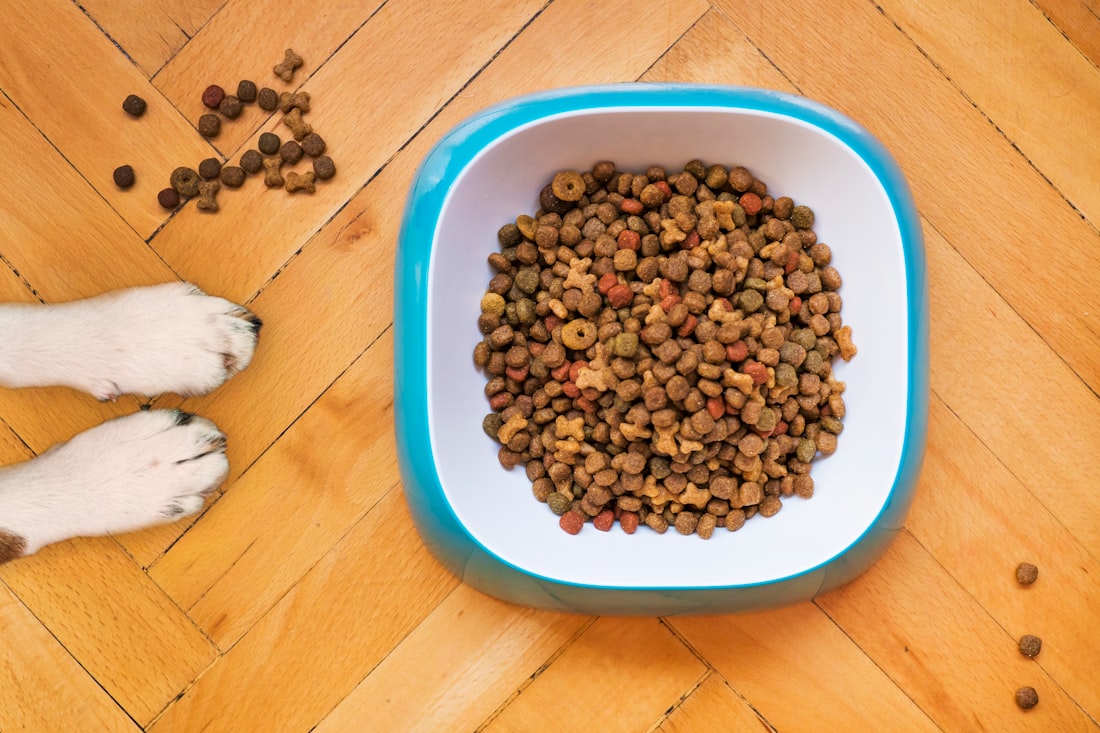
The single most useful question you can ask any pet food seller in Dubai — supermarket, warehouse, or online — is whether the bag is factory-sealed by the manufacturer or has been split from a larger bulk sack and repackaged in-store. Splitting bulk bags into smaller retail quantities without proper resealing is common at the cheaper end of the market, and it does two things: it lets in humidity and pests, and it destroys any way of tracing the batch back to its manufacturing date if something goes wrong. A legitimate distributor will show you a batch number and manufacture date on request, not just a best-before stamp, because that's what proper stock control looks like.
A few other checks separate a reliable seller from someone reselling whatever they could source cheaply:
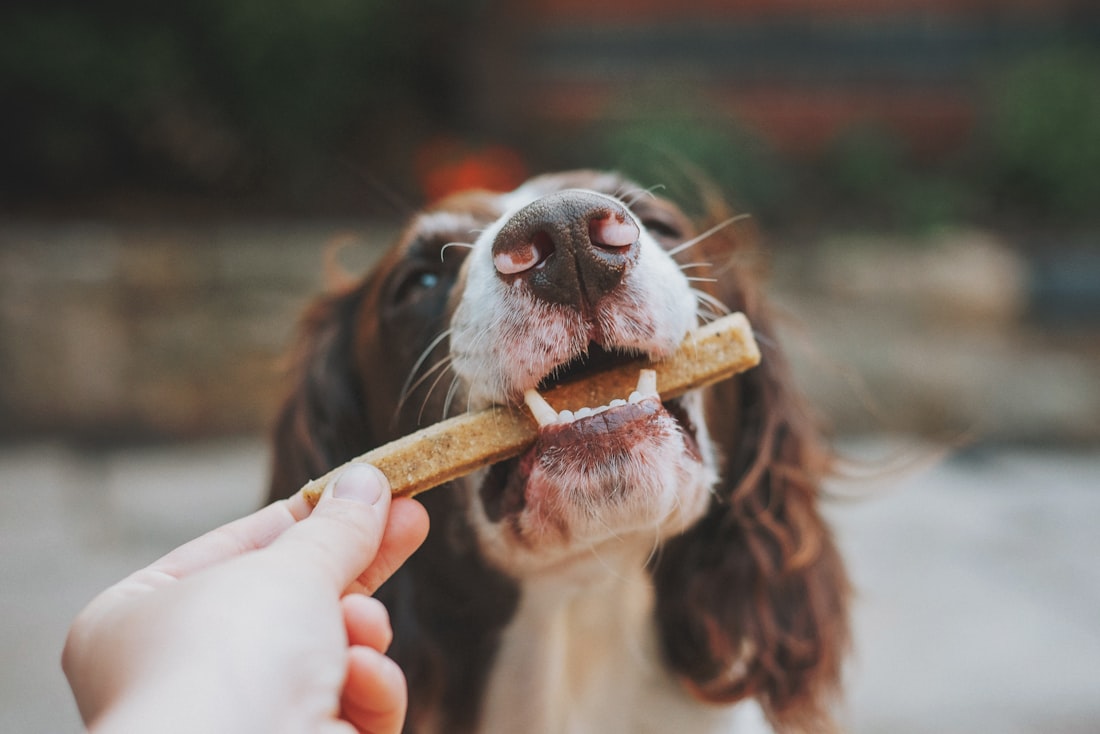
Grocery and pet-specific delivery apps have made same-day pet food delivery normal across Dubai Marina, JLT, and Business Bay, but coverage thins out fast once you're in Dubai South, Al Barsha South, or the newer communities further from the main warehouse clusters — deliveries from an Al Quoz-based seller to those areas can take 24 to 48 hours rather than the same afternoon. Most apps set a minimum order threshold, usually AED 30–50, below which a delivery fee gets added on top, so it rarely makes sense to order a single small bag on its own. If you own a large breed working through 15kg or more a month, look for a subscription or recurring order option — most established sellers offer a 5–10% discount for it, and it removes the need to go looking for a shop in the middle of a 45°C afternoon because the bag ran out unexpectedly.
For routine, healthy-adult kibble, the nearest supermarket or a grocery app is genuinely fine and probably the most convenient choice. For anything prescription-related, the vet is not optional — no amount of price comparison changes that. And if you're feeding a large dog or multiple animals, planning two or three days ahead to order from an Al Quoz warehouse, rather than a same-day panic buy at retail price, is where the real savings in this market actually sit.
Offering an innovative range of gourmet food and beverage, Café Bateel combines...



 Log in with Google