Article by:
DubaiDirectory

Welcome to Magic Planet! We are the number one arcade and gaming venue in the c...

If you've typed "ports dubai" into Google, you're almost certainly one of two people: someone trying to work out which port a shipment is coming through, or someone about to import goods for the first time and realising there's a whole system between the ship arriving and the goods reaching Al Quoz or Deira. Either way, the useful answer starts with knowing there are two ports, they do different jobs, and neither one deals with the public directly.
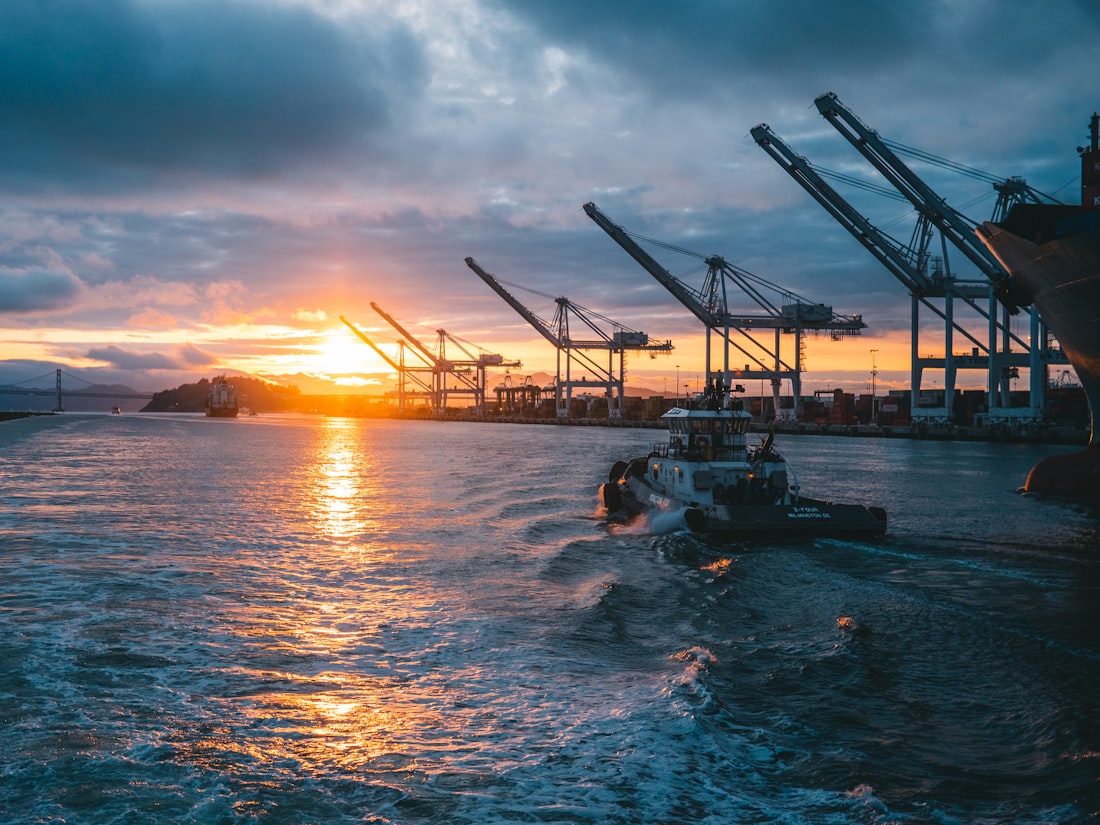
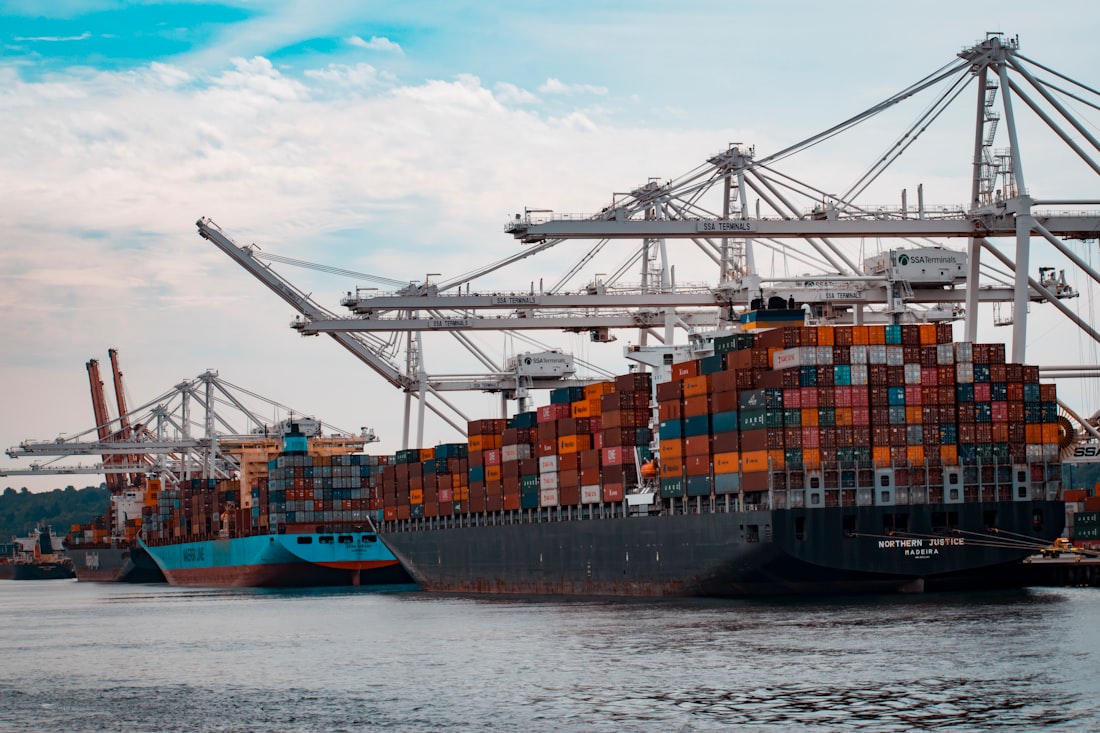
Jebel Ali Port, about 35km southwest of the city near the Jebel Ali Free Zone (Jafza), is the one that matters for cargo. It's the largest man-made harbour in the world and the busiest container port in the Middle East, run by DP World. If you're importing anything by sea container – furniture stock for a Karama showroom, machinery parts for an Al Quoz workshop, retail goods for a Business Bay warehouse – it comes through here.
Port Rashid, tucked between Bur Dubai and Deira near Dubai Maritime City, handles cruise ships now rather than commercial cargo. If your search brought you here because a P&O or MSC cruise itinerary mentions "Port Rashid, Dubai," that's a passenger terminal, not a freight one, and none of the customs process below applies to you. Worth mentioning too: Hamriyah Port and Khor Fakkan, which some searches confuse with Dubai ports, actually sit in Sharjah and Fujairah respectively, under different port authorities entirely.
Nobody walks into Jebel Ali Port and collects a container themselves. The process runs through Dubai Trade, the online platform that ties together Dubai Customs, DP World, and the various free zone authorities. To import legally you need three things in place before the ship even docks: a valid trade licence (DED for mainland, or the relevant free zone authority if you're operating out of Jafza, JLT, or elsewhere), a customs code issued by Dubai Customs linked to that licence, and either your own customs declarant registration or a licensed clearing agent acting on your behalf.
Almost everyone uses an agent. Declaring cargo through the Mirsal 2 system correctly – matching HS codes, commercial invoice values, certificates of origin, and packing lists – is fiddly enough that even companies that could technically do it themselves usually don't bother. A clearing agent submits the declaration, pays duty on your behalf, and coordinates the release with the terminal operator.
This is where new importers get caught out, because a lot of quotes are deliberately partial. A proper quote for clearing one 20ft or 40ft container through Jebel Ali should itemise four separate things: the agent's own service fee (typically AED 350–700 per shipment for a standard FCL declaration), the customs duty itself (5% of the CIF value for most general goods, with exemptions for certain categories and for genuine Jafza-to-Jafza re-export where the goods never enter the mainland market), DP World's terminal handling charges (roughly AED 400–900 per TEU depending on container size and whether it needs inspection), and an estimate of transport from the port to your premises.
If a quote only shows one number – say, "AED 800 all-in" – ask what it excludes. The honest answer is usually duty, because duty is calculated on the invoice value and the agent can't know it until they see your documents. A quote that claims to include duty without having seen your commercial invoice is guessing, and you'll get an invoice adjustment later.
An agent who can't answer the broker registration question, or who gets vague about which licence they're trading under, is not someone you want holding your bill of lading when a container gets stuck in inspection.
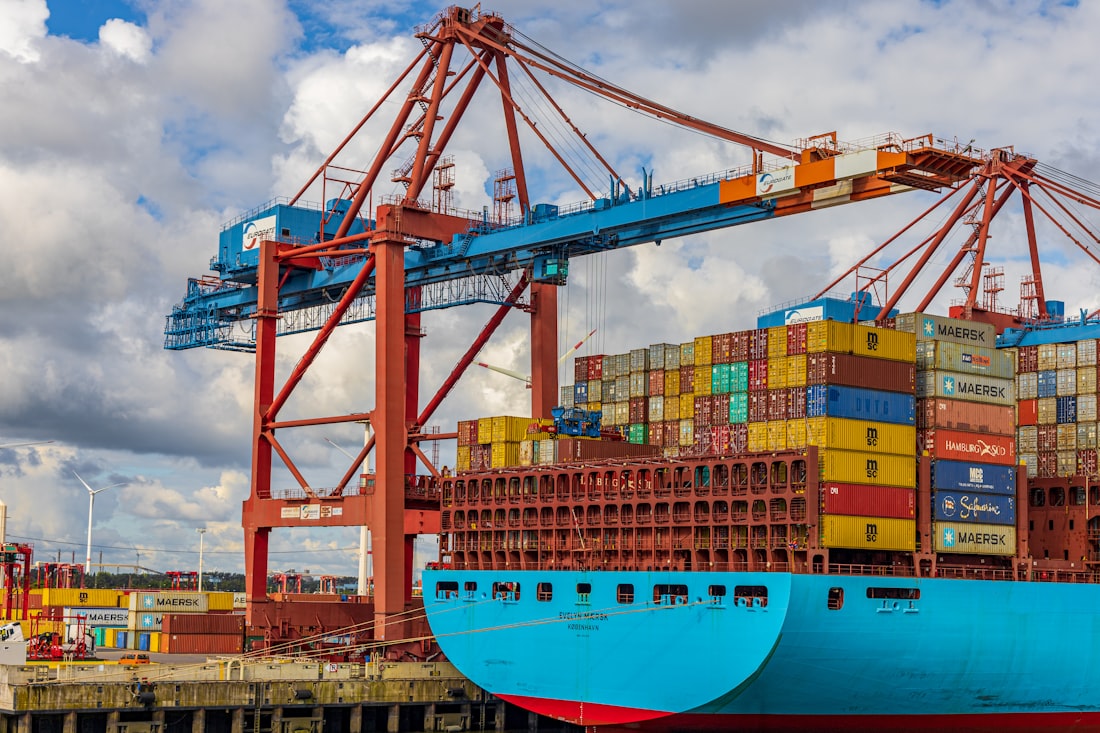
Free time at Jebel Ali is typically four to seven days from vessel discharge, depending on the shipping line and terminal agreement. Miss that window and demurrage charges kick in, usually starting around AED 100–150 per day for a standard container and escalating sharply after the first week – some lines double or triple the rate after day ten. Storage charges from DP World run alongside this as a separate line item. First-time importers who underestimate how long customs clearance takes, or who choose a slow, cheap agent to save a few hundred dirhams on the service fee, routinely lose that saving several times over in demurrage before the container even leaves the terminal.
The fix is straightforward: have your documents – commercial invoice, packing list, certificate of origin, and bill of lading – ready and correct before the vessel arrives, not after. Discrepancies between the invoice value and the declared value are the single most common reason a shipment sits in inspection rather than clearing same-day.
Whether your company is set up in Jafza, another free zone, or as a mainland DED-licensed entity, the physical port and terminal are the same. What changes is the customs treatment. Goods brought into a free zone company for re-export, or for onward sale to another free zone entity, generally don't attract the 5% import duty. The moment those goods move into the UAE mainland market – sold to a Karama retailer, say, or used in a Business Bay office fit-out – duty becomes payable, and your clearing agent handles that transfer declaration separately from the original import. If you're setting up specifically to import and distribute within the UAE, a mainland DED trade licence with the correct import/export activity code is usually simpler than routing everything through a free zone first.
None of this is something you can shortcut by being efficient or well-organised on your own. The system is built around licensed intermediaries, and the businesses that move goods through Jebel Ali smoothly are the ones that picked a properly registered clearing agent, gave them accurate paperwork early, and asked for an itemised quote before the ship even left its previous port.
Welcome to Magic Planet! We are the number one arcade and gaming venue in the c...



 Log in with Google