Article by:
DubaiDirectory

Unique, handcrafted gourmet popcorn treats.With high-quality ingredients and se...

Every legitimate property listing in Dubai carries a Trakheesi permit number, issued by the Dubai Land Department, and every individual broker acting on it must hold a RERA card with a BRN (Broker Registration Number). If an agent can't produce both when you ask, stop the conversation there. This single check filters out most of the problems people run into with property agents in this city, and it takes about thirty seconds using the Dubai REST app.
Dubai's real estate sector is regulated by RERA, part of the Dubai Land Department, and it works on two levels. The agency itself needs an ORN (Office Registration Number) and a valid DED trade licence for real estate brokerage activity — this is a mainland licence category, not something free zones cover, because brokerage involves dealing directly with property registered under DLD jurisdiction. Separately, each individual agent working for that firm needs a personal broker card. A big agency with a valid ORN can still employ someone without a current broker card, usually someone new or someone whose card has lapsed, so checking the individual matters as much as checking the company.
You can verify both instantly. Open the Dubai REST app, go to the verification section, and enter the BRN or the Trakheesi permit number printed on the listing (on Property Finder and Bayut it's usually visible near the price). If the permit doesn't match the property address, or the BRN doesn't match the person standing in front of you, that's not a technicality — it means the listing or the agent has no legal standing, and any deposit you hand over has no protection behind it.

For rentals, the standard commission is 5% of the annual rent, paid by the tenant, though in a slow market some agencies drop this to a flat AED 3,000–5,000 or split it with the landlord. For sales, the market norm is 2% of the purchase price, and on a resale transaction both buyer's and seller's agents typically earn 2% each from their respective client — so a buyer should expect to pay 2% commission on top of the 4% DLD transfer fee, plus a trustee office fee (around AED 4,000) and, if financing, a 0.25% mortgage registration fee.
Off-plan sales work differently. The developer usually pays the agent's commission directly, which means a buyer working with a broker on a new Emaar, Damac, or Sobha launch often pays nothing extra to that broker. This is worth knowing because some agents blur the line between off-plan and secondary market pricing conversations, and a buyer who assumes they'll owe 2% on an off-plan unit may be negotiating from a weaker position than necessary.
Whether you're renting or buying, insist on paperwork before any money changes hands. For rentals that means a tenancy contract ready for Ejari registration, with the DEWA premises number, the landlord's Emirates ID or trade licence details, and a clear cheque schedule. Dubai has moved away from the old single-cheque norm; most landlords now accept four to six cheques a year, and an agent pushing hard for one cheque with no room to negotiate is often working for a landlord who needs the cash up front rather than one confident in the tenancy.
For a sale, the document that matters is the Form F, the Memorandum of Understanding registered through the Trakheesi system, which locks in the price, the deposit (typically 10%), and the transfer timeline. Anything agreed before Form F is signed is essentially informal, and deposits paid before that point should go into an escrow account or the seller's agent's trust account, never a personal bank account.
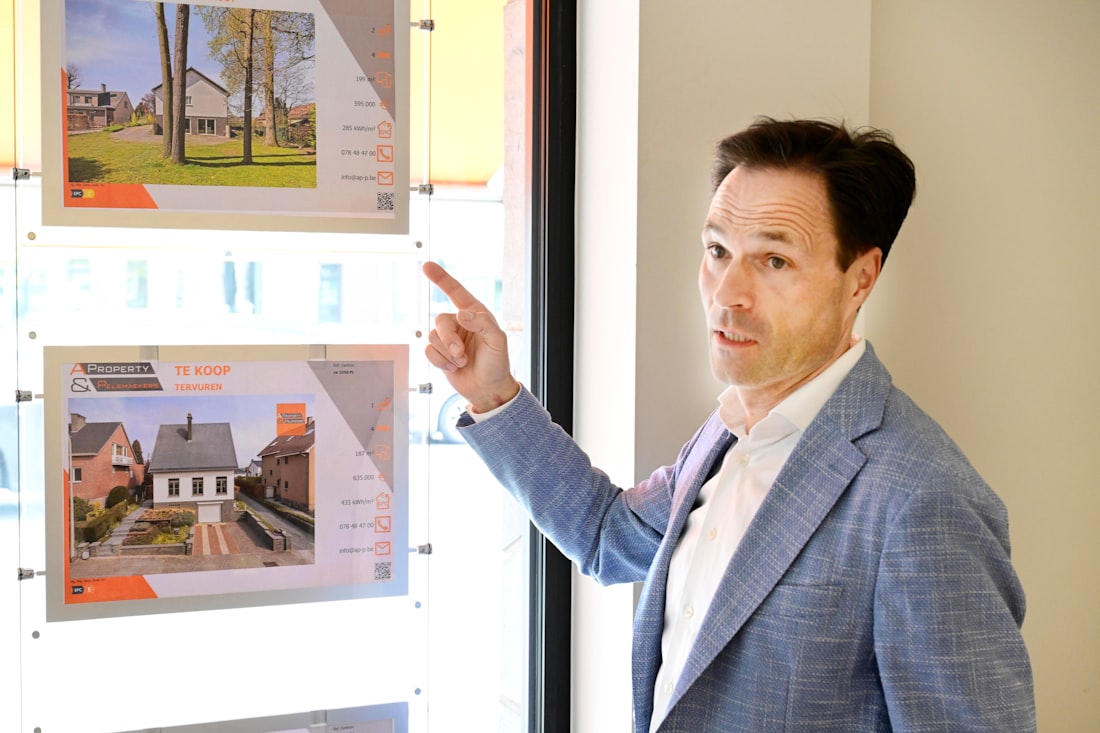
Ask for the RERA card and the Trakheesi permit number, then ask how many active listings they personally manage in the building or community you're interested in. An agent working Dubai Marina, JLT, or Business Bay full-time should be able to name recent comparable transactions and rough price-per-square-foot figures without hesitating. Someone reciting a generic pitch, or who can't tell you whether a building has a service charge issue or DEWA connection delay, is likely new, or is working a lead outside their actual area of coverage — common with large franchise floors where junior agents cold-call listings scraped from portals.
Also worth asking: is the property freehold or leasehold, and is it in a designated freehold zone? Foreign nationals can buy freehold in areas including Dubai Marina, Downtown, Business Bay, Jumeirah Village Circle, Palm Jumeirah, and Arabian Ranches, but plenty of older Deira and Bur Dubai buildings remain leasehold, restricted to UAE and GCC nationals for outright ownership. An agent who glosses over this, or who quotes a freehold-style deal on a leasehold property, either doesn't know the regulation or is hoping you won't check.
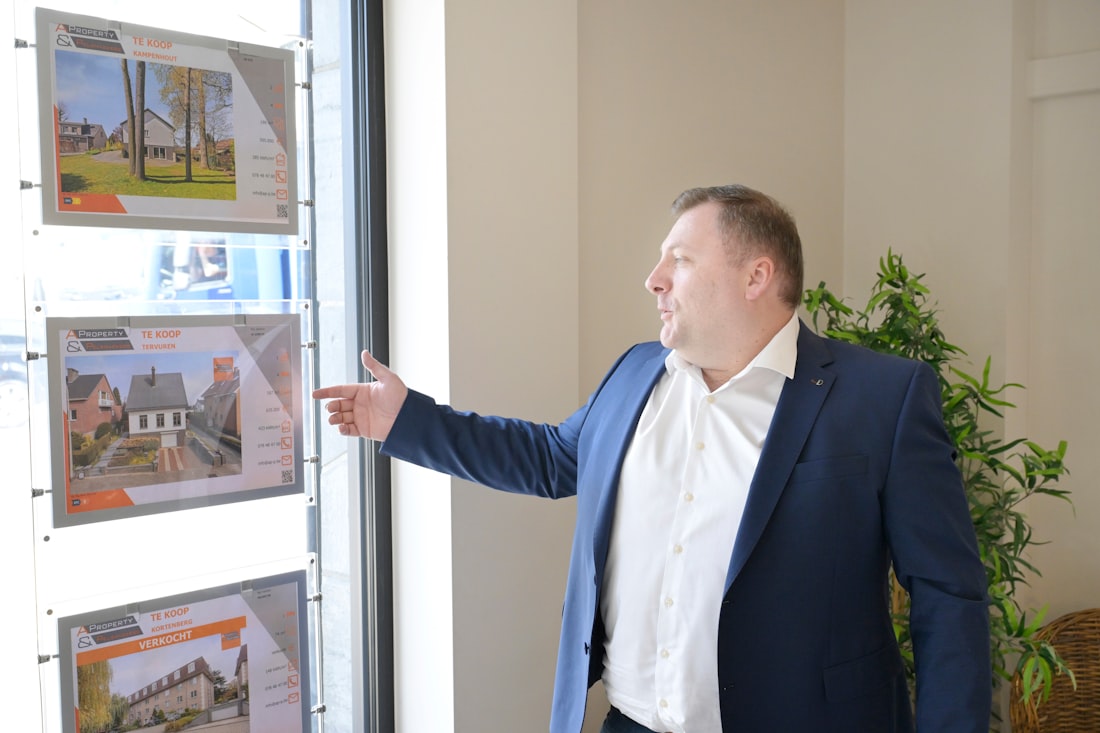
Large international franchises tend to dominate high-value sales and off-plan launches in Downtown, Palm Jumeirah, and Dubai Marina, with dedicated off-plan teams that get early allocations from developers. Boutique and independent agencies often do better on rentals in Al Barsha, Karama, Deira, and Jumeirah Village Circle, where volume matters more than headline deals and local agents know which buildings have management issues or slow maintenance response. Neither type is inherently more trustworthy — the RERA card and Trakheesi permit are the constant checks regardless of company size.
Rental demand spikes from September through November, when the school year starts and new arrivals flood in, and again in January to March as visa renewals and bonus season push relocations. Landlords have more leverage in these windows and agents are stretched thin, which shows up as slower viewings and less room to negotiate cheque terms. June through August is quieter — many residents travel, viewings are easier to schedule, and landlords facing a vacant unit through the summer heat are more willing to negotiate on rent or cheque count. If your move date is flexible, searching in July for a September move often gets a better outcome than searching in September itself.
Off-plan sales don't follow the same rhythm; developer launch events happen year-round and are timed around Cityscape and other property exhibitions rather than the weather, so an agent pushing urgency around a
Unique, handcrafted gourmet popcorn treats.With high-quality ingredients and se...
Welcome to a spectacular desert paradise. Nestled among the dunes, the low-lyin...



 Log in with Google