Article by:
DubaiDirectory

Nestled between the calm turquoise waters of the Arabian Gulf and the majestic ...

Any company that treats rodents in Dubai must hold a Dubai Municipality Pest Control License, and the technician who turns up at your door should be able to show you a personal ID card issued under that license, not just a company business card. This single check eliminates most of the cowboy operators who work Dubai's villa compounds and warehouse districts with a spray bottle and no paperwork. If a company can't produce both the company licence number and the technician's DM ID on request, stop the conversation there.
Rodents are a genuine, recurring problem here, not an occasional nuisance. Dubai's mix of construction sites, canal and creek frontage, dense low-rise souks in Deira and Karama, and warehouse sprawl through Al Quoz and Ras Al Khor gives rats and mice constant routes between food, water, and shelter. The city's drainage network, irrigation systems in villa gardens, and the sheer number of active building sites at any given time mean displacement is constant — dig up one plot in Business Bay and the rodent population relocates to the neighbouring compound.
For a standard apartment in a tower — JLT, Dubai Marina, Business Bay — a one-off inspection and treatment for mice runs roughly AED 250 to AED 450, usually covering bait stations in the kitchen, under sinks, and around service risers. Rats cost more to deal with properly because the treatment usually needs to extend into shared risers, car park levels, and sometimes the building's waste room, which means coordinating with facilities management. Expect AED 400 to AED 700 for a single unit with a confirmed rat presence, more if external bait stations need installing on a balcony or terrace.
Villas are a different job entirely. A three- or four-bedroom villa in Al Barsha, Umm Suqeim, or Jumeirah with a garden, majlis, and driveway typically costs AED 600 to AED 1,200 for a full external and internal treatment, because the technician has to check the perimeter, garden drainage, AC unit housings, and any gaps under boundary walls — the usual rat entry points in villa communities. Warehouses and commercial units in Al Quoz or Ras Al Khor are priced by floor area and stock type; a mid-sized warehouse storing foodstuffs or packaging material can run AED 1,500 to AED 4,000 for initial treatment plus a monthly monitoring contract, because Dubai Municipality expects an ongoing pest management programme for any food-handling licence, not a one-off spray.
Contracts change the maths. Most reputable companies will quote a lower per-visit rate if you sign for quarterly visits over a year — commonly AED 150 to AED 250 per visit for an apartment, AED 300 to AED 500 for a villa — because recurring bait station servicing and exclusion checks are cheaper to schedule than emergency call-outs. If a rodent problem is active and visible, a one-off job with no follow-up rarely solves it; rats breed roughly every three weeks, so a single treatment without a second visit two to three weeks later is treating symptoms, not the population.
Al Quoz's mix of workshops, warehouses, and labour accommodation creates constant harbourage — stacked pallets, stored materials, and gaps around loading bays that rats use as highways. A technician working there should be checking loading dock seals and drainage channels, not just laying bait indoors. Deira and Karama, with their older low-rise buildings and proximity to the souks and fish market, deal with heavier rat pressure from food waste and ageing plumbing; treatments here often need repeat visits because the surrounding infrastructure keeps reintroducing the problem regardless of what happens inside one shop or flat. Ras Al Khor sits next to the wildlife sanctuary, and pest control companies working that corridor are restricted in which rodenticides they can use — anticoagulant baits that could enter the food chain and affect the flamingos and birds of prey in the sanctuary are controlled, and a properly licensed company will know to use tamper-proof, secured bait stations rather than open bait in that zone. Villa communities in Al Barsha, Arabian Ranches, and Jumeirah tend to see rodents entering through garden irrigation lines, AC drain pipes, and gaps where landscaping meets the boundary wall — exclusion work (sealing entry points) matters more here than bait volume.
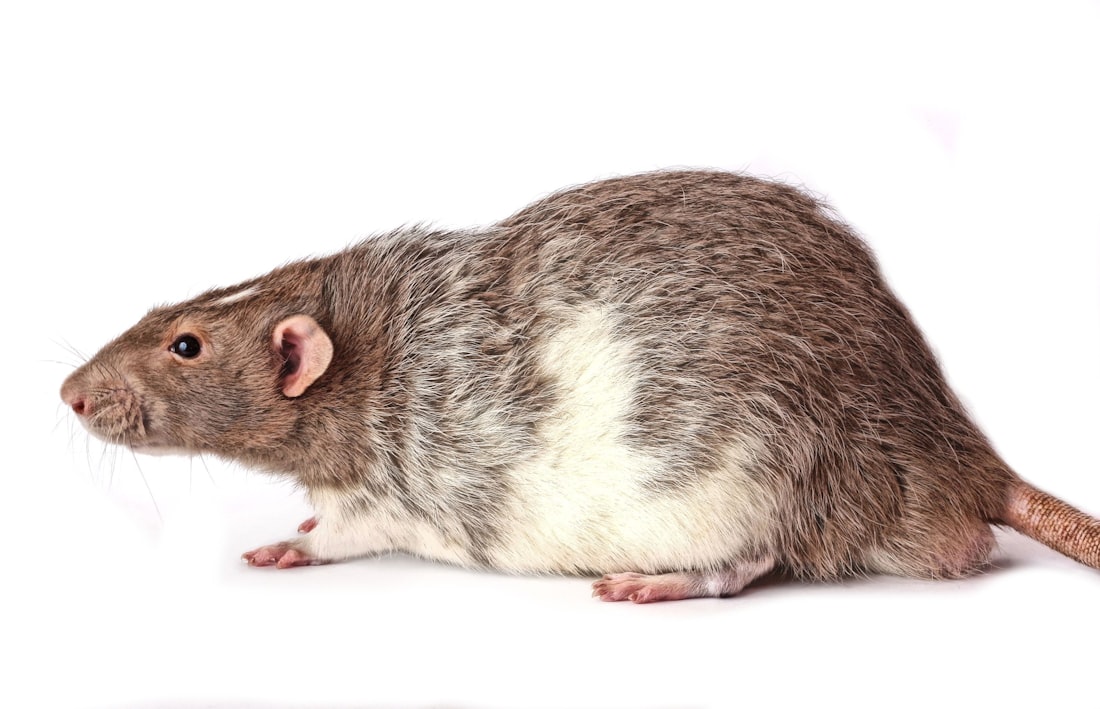
A competent technician starts with an inspection before touching a single bait station — droppings, gnaw marks, grease trails along skirting boards, and burrow entrances outside tell them what species they're dealing with and how bad it is. Rats and mice need different bait placement and different station sizes, and treating one when you actually have the other wastes both time and money. Expect the inspection to take 20 to 40 minutes for an apartment, up to 90 minutes for a villa or warehouse.
After inspection, the technician places tamper-resistant bait stations at identified activity points, seals any obvious entry gaps they can reach that day, and gives you a written record of station locations — this matters if you have pets or children, since DM rules require secured stations in accessible areas. A second visit, typically 10 to 21 days later, checks bait uptake and adjusts placement. Anyone offering a single visit with a guarantee of complete elimination is either inexperienced or not being straight with you; genuine rodent control is a monitoring process, not a one-time spray.
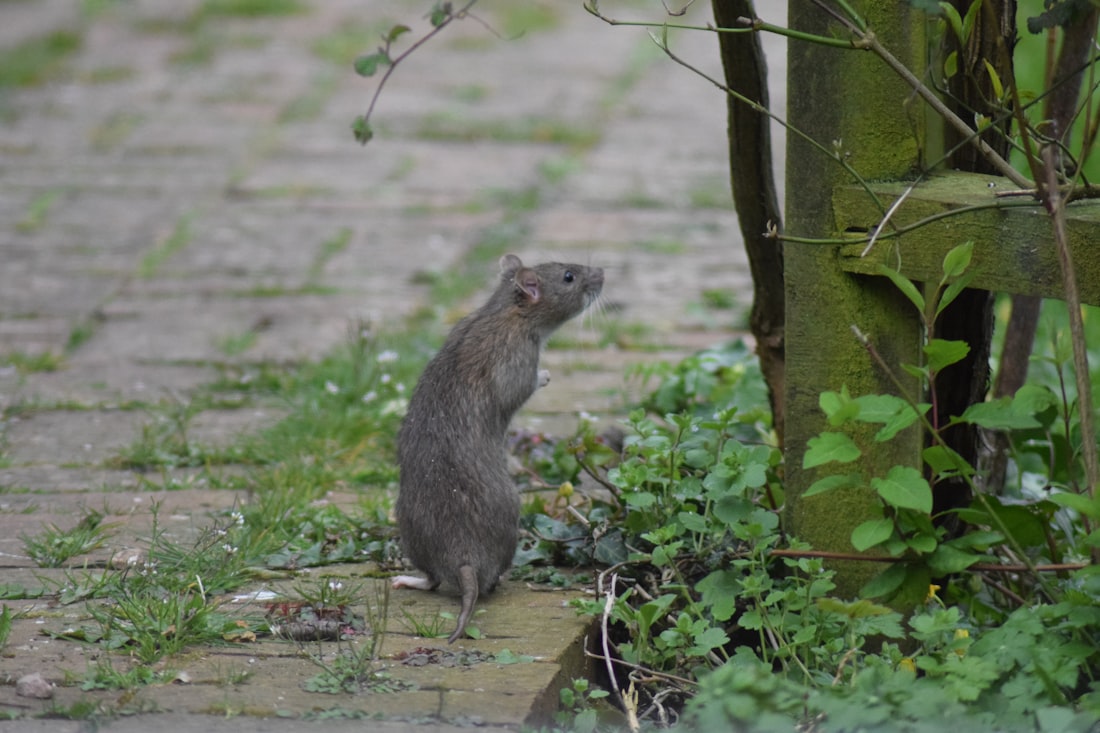
In a tenanted apartment, responsibility usually comes down to the tenancy contract and Ejari registration. If the infestation stems from a building-wide issue — a gap in the waste chute room, a breach in the car park boundary — that's the landlord's or the owners' association's responsibility to fix, and you can raise it through the building's facilities management before escalating to the Rental Dispute Centre if the landlord refuses to act. If the infestation is caused by tenant behaviour — food left out, bins not sealed — the cost typically falls on the tenant. For food businesses, Dubai Municipality's Food Safety Department requires an active pest control contract as a condition of the trade licence renewal; inspectors ask to see the contract and treatment log during routine checks, and a lapsed contract can hold up licence renewal regardless of how clean the kitchen looks.

Before you sign anything, the quote should specify the DM licence number, the products to be used (and confirmation they're on Dubai Municipality's approved list), the number of visits included, what happens if the problem persists after the contracted visits, and whether exclusion work (sealing entry points) is included or charged separately. A quote that just states a flat AED figure with no breakdown is a signal to ask more questions before committing, particularly for warehouse or restaurant contracts where the treatment plan needs to match your specific food safety obligations.
Nestled between the calm turquoise waters of the Arabian Gulf and the majestic ...
Discover the world of Häagen-Dazs - delicious, premium ice cream made with only...



 Log in with Google