Article by:
DubaiDirectory

A beloved NYC landmark, Magnolia Bakery specializes in hand-crafted classic Ame...

Where you buy matters more than what you buy. The same brass camel figurine sells for AED 15 in Dragon Mart, AED 35 in Karama, and AED 90 in a Dubai Mall gift shop with a QR code and a story about heritage attached. None of the three is wrong, but only one of them is a good deal, and which one depends on whether you value convenience, atmosphere, or price.
For anything with a real Gulf heritage feel, go to Deira. The Gold Souk and Spice Souk sit a five-minute walk apart, and the surrounding lanes are full of small shops selling pashminas, incense burners, dates, and sheesha pipes at prices that assume you'll haggle. Bur Dubai's Meena Bazaar is the better spot for textiles, saris, and cheap perfume oils, and it's less touristy than Deira, which usually means friendlier opening offers.
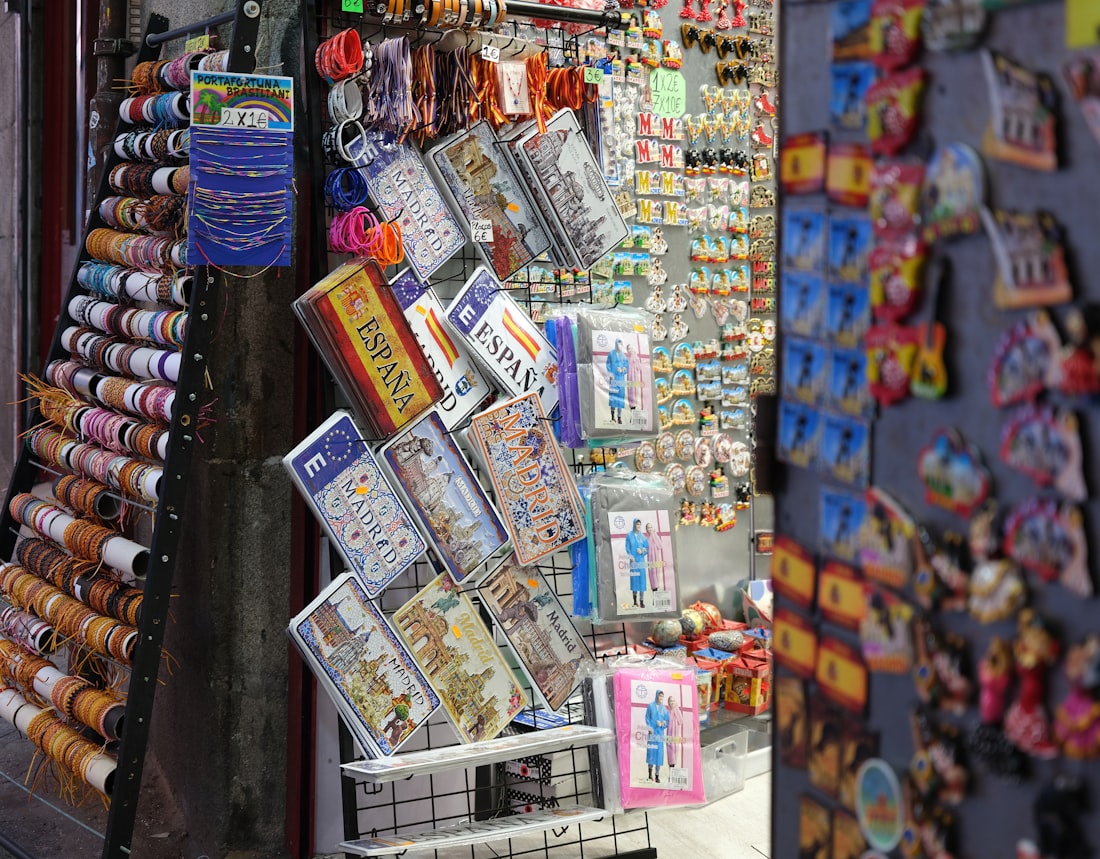
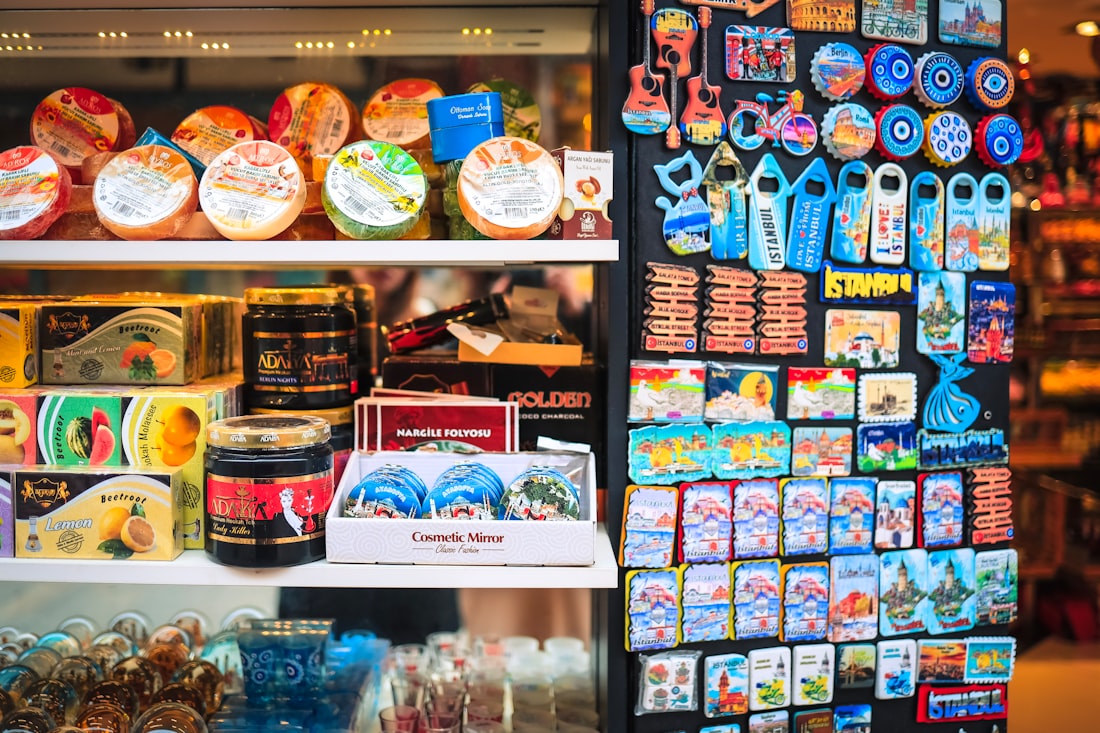
Karama, in particular the covered market off 18th Street, is the reliable middle ground: fixed-ish prices that are still negotiable, English widely spoken, and a decent range of the classics (sand art bottles, magnets, keffiyeh scarves, football shirts of dubious authenticity). If you need volume rather than character, Dragon Mart in International City is where actual retailers buy their stock. It's mostly wholesale-facing but will sell single units, and prices there are close to cost.
The malls exist for people who want a receipt, air conditioning, and no negotiation. Dubai Mall's Souk area and the Ibn Battuta Mall gift shops are fine if you're buying on your way to the airport and time matters more than thirty dirhams. Global Village, open only from late October to April, is worth a special trip if your dates line up: dozens of national pavilions selling genuinely different stock, from Kashmiri pashminas to Moroccan lamps, usually at prices between souk and mall level.
Dubai's gold is priced on the daily international gold rate plus a making charge, not on vibes. Ask any shop in the Gold Souk for today's rate per gram — it's displayed on boards and changes daily, typically in the AED 220–260 range for 22-karat as of recent years. A fair making charge for a simple pendant runs AED 20–40 per gram; anything charging double that for a plain design is banking on you not knowing the rate. Every piece should carry a hallmark stamp indicating karat and, ideally, be accompanied by a receipt stating weight and purity — Dubai's Central Bank and DMCC regulate this, and reputable shops don't flinch when you ask to see it.
Pearls are murkier. Genuine Gulf pearls are rare and expensive; the vast majority sold as souvenirs are freshwater cultured pearls from elsewhere, which is fine as a purchase but not as a story. If a stallholder tells you a AED 50 string is a natural Gulf pearl, that's your answer on how reliable the rest of their claims are.
Prices below assume you've bargained in a souk or market; mall prices run 50–150% higher for identical items.
If a stallholder's opening price is more than double these ranges, that's the anchor they expect you to negotiate down from, not a true reflection of value. Starting your counter-offer at roughly 40–50% of the asking price is normal and not considered rude anywhere in these markets.
Tourists (not residents) can reclaim the 5% VAT on purchases from retailers registered with the Planet Tax Free scheme, which covers most mall stores and larger souk shops but not every small stall. You need to spend a minimum of AED 250 in a single transaction from a participating retailer, keep the tax-free tag and receipt, and validate the claim at a self-service kiosk before check-in at Dubai International or Al Maktoum airport — do this before you check your bags if the goods are inside them. Refunds land on the card you register, usually within a few days. It's a genuine saving on anything gold, electronics, or higher-value textile, and most people forget to do it.
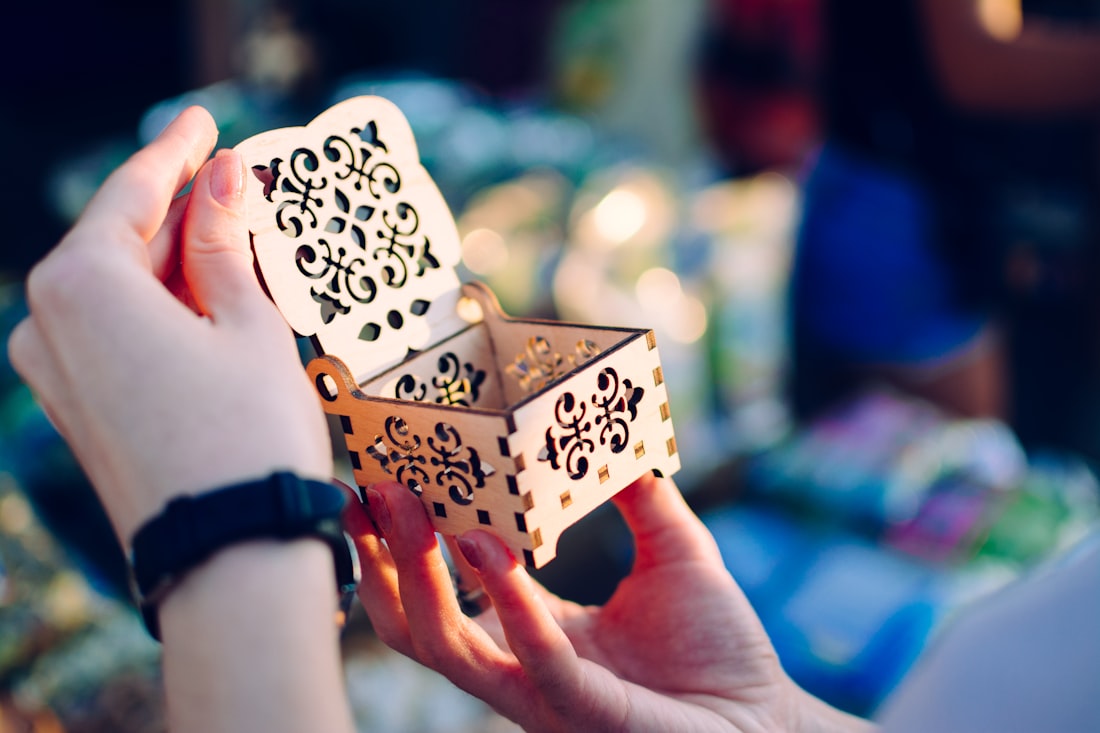
Offices sourcing fifty or a hundred identical gifts for Ramadan, Eid, or a client event shouldn't be doing this stall by stall. Al Quoz and Deira have wholesale suppliers who deal specifically in corporate gifting — dates in branded boxes, engraved coffee sets, customised Arabic sweets tins — and they expect orders of 50+ units with lead times of one to three weeks depending on customisation. A supplier worth using will have a DED trade licence, will quote per-unit pricing that drops meaningfully at volume (expect 15–30% off retail per unit at 100+ pieces), and will show you a physical sample before production, not just a rendered mock-up. Demand for this kind of order spikes hard in the two weeks before Ramadan and Eid al-Fitr, so anyone sourcing for those dates should be placing orders four to six weeks out, not two.
One thing that catches first-time corporate buyers out: a supplier operating from a free zone can sell to you directly for gifting purposes without issue, but if you're planning to resell the items commercially in the UAE, you'll want a mainland-licensed supplier or distributor, since free-zone companies face restrictions on direct mainland trading. For a one-off gift order this distinction rarely matters; for anyone setting up a retail line, it does.
Refusal to state the gold rate for the day, pearls sold with no mention of freshwater versus natural, spice blends with no ingredient list, and pressure to buy immediately because "price going up tomorrow" are the four reliable tells. Genuine traders in the Gold Souk and Spice Souk have been there for decades and don't need those tactics — they'll happily let you walk to three other shops and compare.
A beloved NYC landmark, Magnolia Bakery specializes in hand-crafted classic Ame...
Last Exit DXB Bound is the perfect pit stop if you fancy a bite between Dubai a...



 Log in with Google