Article by:
DubaiDirectory

Part of the Madinat Jumeirah resort, this upscale hotel overlooking the Arabian...

Dubai has more tailors per square kilometre than almost any other Gulf city, and that abundance is exactly why picking one badly is so easy. A shop that does perfect kanduras might make a shapeless mess of a wool blazer. A mall boutique charging AED 1,200 for a suit might use the same interlining as a Karama shop charging AED 450. The trick is matching the tailor to the garment, not just walking into the nearest storefront with a tape measure in the window.
Alterations and bespoke work are priced completely differently, and mixing them up in your head leads to disappointment either way. A simple hem, taking in a waistband, or shortening sleeves runs AED 25–60 per item at most neighbourhood tailors. Resizing a dress or jacket that needs the seams opened and restitched is closer to AED 80–150, more if it's lined or beaded.
Bespoke is a different economy. A two-piece suit made from a mid-range wool-blend fabric, with the tailor sourcing the cloth, typically lands between AED 600 and AED 1,200. Bring your own fabric from the souk and you're paying purely for labour, usually AED 350–600 depending on lining and canvassing quality. A kandura runs AED 150–350 depending on fabric and whether it's hand-finished, while an abaya, especially with embroidery or crystal work, ranges from AED 200 to well over AED 800 for occasion pieces. Shirts made to measure sit at AED 100–180 each, cheaper in bulk if you order three or four at once, which most tailors will discount by 10–15%.
Corporate and school uniform orders work on volume pricing and almost always require the client to be a registered company, since tailors invoice against a trade licence for anything beyond a handful of pieces. If you're ordering staff uniforms, ask for a per-unit price at quantities of 10, 25 and 50 — the drop between those tiers is often steeper than you'd expect, sometimes 20% between the smallest and largest batch.
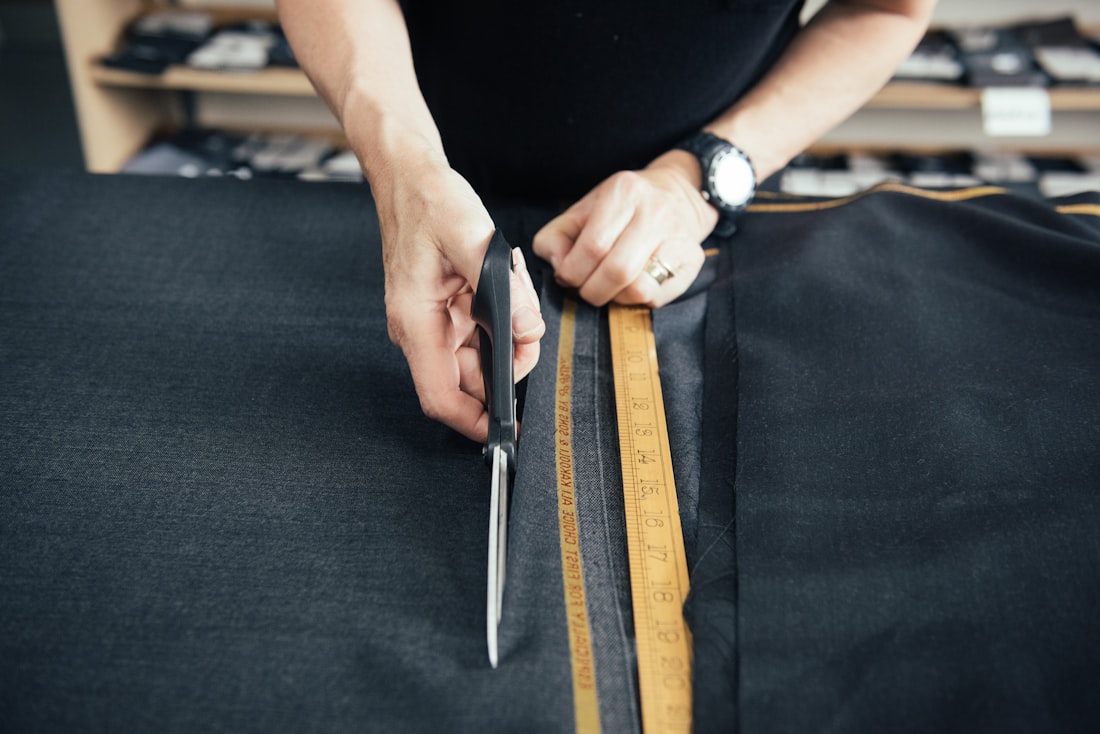
Karama and Satwa are Dubai's everyday tailoring engine: fast, inexpensive, and generally excellent for kanduras, shirts, trouser alterations and simple dresses. Turnaround is quick because volume is high, but exact fit on structured Western tailoring (a fitted blazer, for instance) can be hit or miss unless you know the specific shop's reputation from someone who's used it.
Bur Dubai's Meena Bazaar and the Textile Souk area combine fabric shops with tailors sitting metres apart, which is genuinely convenient — you choose cloth, walk it next door, and get measured on the spot. This area is strong for suits, sarees, sherwanis and anything requiring both fabric knowledge and stitching skill, largely because many tailors here trained in traditional South Asian tailoring houses before moving to Dubai.
Business Bay, JLT, DIFC and the Marina host a smaller number of higher-end tailoring outfits, some offering visiting fitters who come to your office or apartment. Prices run 30–60% above Karama equivalents, but you're generally paying for consistency, better fabric sourcing relationships, and staff who speak fluently about canvassing, half-canvas versus fused construction, and shoulder structure — worth it if you need a suit that has to look identical to the last three you've had made.
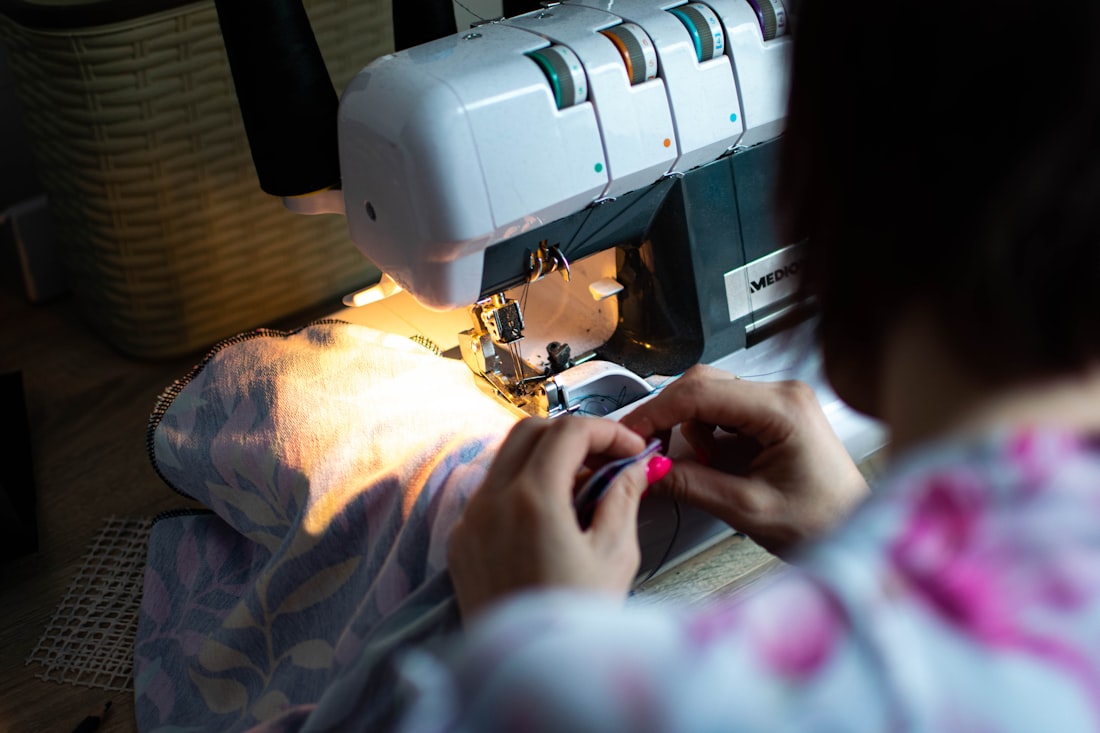
A proper bespoke order involves at least two fittings for anything structured: a baste fitting where the garment is loosely assembled so seams can be adjusted, and a final fitting to check the finished piece. If a tailor offers to make you a suit in one sitting with no return visit, that's a shortcut, not a bargain — you'll likely end up needing a third-party alteration afterwards, which costs more overall.
A fair written quote states the fabric cost separately from labour, the number of fittings included, a delivery date, and the deposit amount, which should be 30–50% of the total, not the full sum upfront. The balance is paid on collection, once you've checked the fit. Ask explicitly what happens if the finished garment doesn't fit properly — a reputable tailor will re-alter free of charge within a reasonable window, typically two weeks. If a shop is vague on this or wants full payment before cutting the cloth, that's your signal to walk.
Ask to see finished samples of the exact garment type you want, not just whatever's hanging in the shop. Ask whether the fabric will be pre-shrunk or washed before cutting — skipping this step is the single most common reason a linen shirt or cotton kandura comes back a size smaller after its first wash. Ask how many fittings are included and whether alterations after collection are free. And ask, plainly, how long they've been making that specific garment type, since a tailor who's spent fifteen years on kanduras isn't automatically equipped to structure a blazer shoulder.
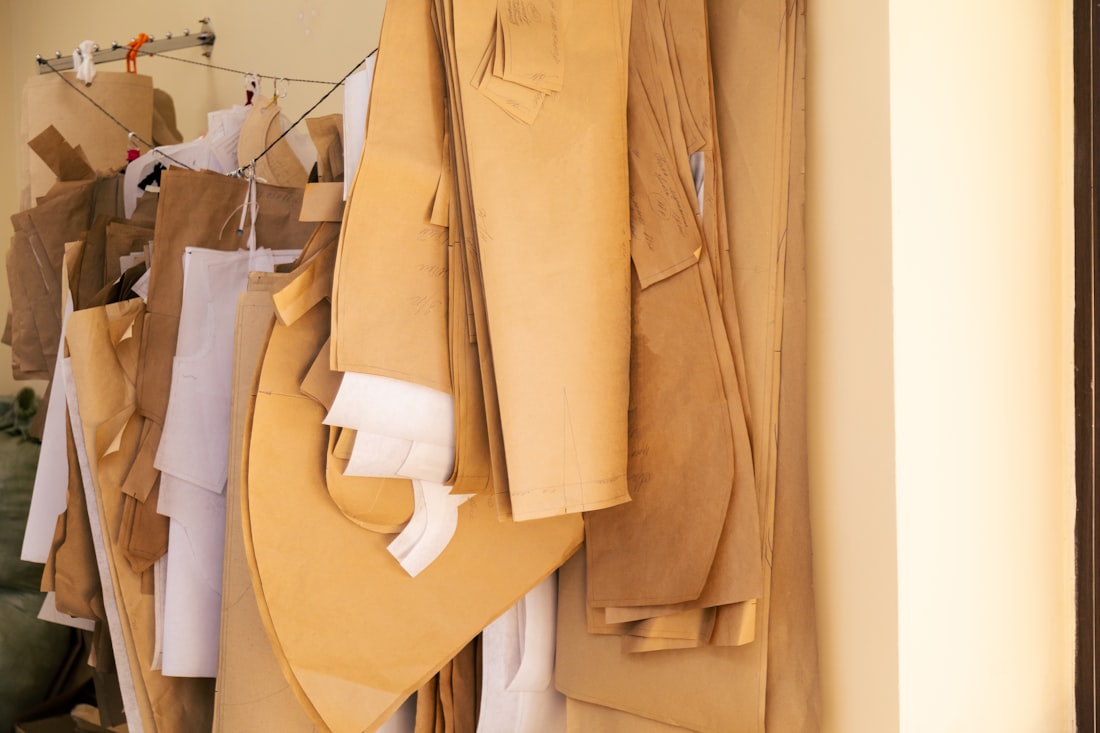
Dubai's tailoring trade has a hard seasonal rhythm. Winter, roughly October through March, is wedding and event season, and good tailors in Karama and Meena Bazaar get booked three to four weeks out. The two to three weeks before Eid al-Fitr and Eid al-Adha bring a similar crunch for kanduras and abayas, with some shops refusing new orders entirely in the final week before the holiday. If you need something for a specific date in either window, order at least a month ahead and expect express fees of 20–30% on top of the standard price if you're cutting it closer than ten days.
Summer, by contrast, is when tailors have spare capacity and are often willing to negotiate on price, particularly for bulk or repeat orders. If your tailoring needs aren't date-critical, June through August is when you'll get the best rates and the most attentive service, since shops aren't juggling a backlog.
Buying your own fabric from Meena Bazaar or the Textile Souk in Bur Dubai gives you control over quality and usually saves money, since tailor-sourced fabric carries a markup of 15–40%. It also means you can inspect the cloth for weave consistency and colour fastness before committing, which matters for anything pale or embroidered. The trade-off is that you need enough fabric knowledge to buy correctly — for a two-piece suit, ask for at least 3.2 to 3.5 metres of 150cm-wide cloth, and confirm with the tailor before purchasing so you don't come up short mid-project. If that sounds like more hassle than it's worth, letting the tailor source the fabric is entirely reasonable — just ask to see the bolt and confirm the price per metre before they cut anything, since verbal estimates and final invoices don't always match unless you've pinned the number down in advance.
Part of the Madinat Jumeirah resort, this upscale hotel overlooking the Arabian...
Zaatar w Zeit is the casual urban eatery that has evolved into one of the most ...
 Log in with Google