Article by:
Karina

Established in 1974, Dubai Offshore Sailing Club has been a key leader in promo...

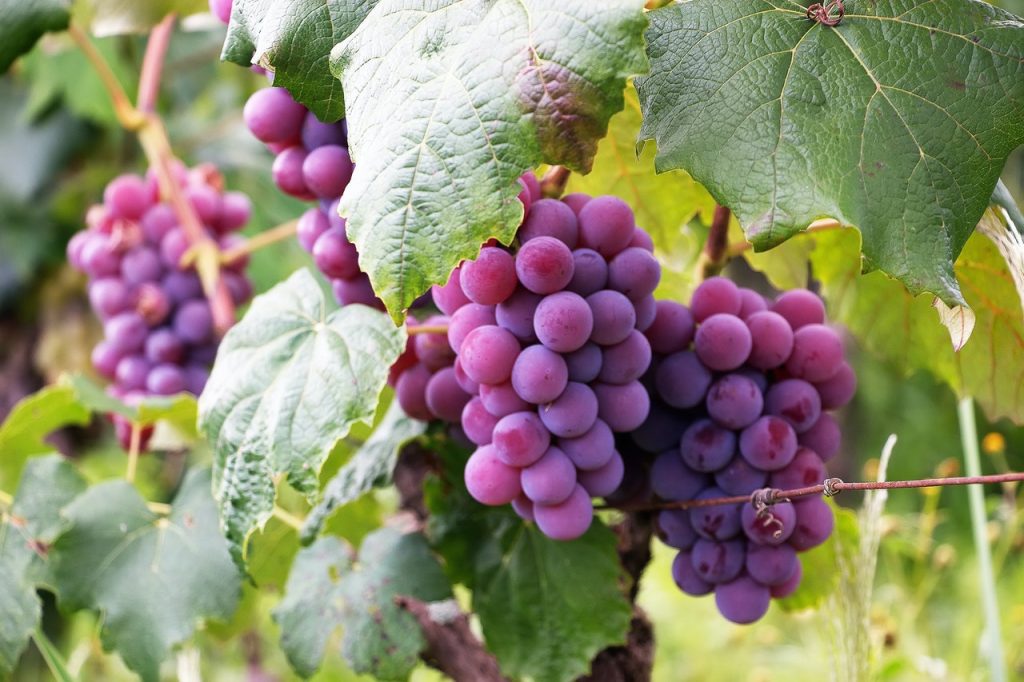
A surprising number of villa gardens and courtyards across Dubai have a grape vine tucked against a wall or trained over a pergola, often inherited from a previous tenant or planted for the shade its broad leaves eventually provide. Pruning a young vine correctly in its first years matters even more here than in milder climates, because the plant needs a strong, deep root system to cope with long stretches of heat, dry wind, and the mineral-heavy tap or borehole water most gardens rely on. Careful early pruning channels the vine's energy into one dominant stem rather than a tangle of weak growth that will struggle once the summer sun becomes intense.
In Dubai, the growing calendar shifts slightly compared to temperate regions. Spring growth tends to start earlier and push harder once temperatures climb, and the punishing peak of summer can stall growth altogether, so most of the meaningful pruning decisions are best made in late winter and early spring before the real heat sets in. If you are working with an existing garden or a plot managed through a building's landscaping contractor, it is worth checking with community management before making major structural changes to shared trellises or pergolas.
Choose the strongest, straightest shoot from a newly planted vine and tie it gently to a stake or trellis using soft twine or garden wire, encouraging it to grow upright rather than sprawling along the ground, which in sandy Dubai soil can encourage rot once irrigation lines are running regularly. Any smaller side shoots or suckers should be trimmed away as soon as they appear, so that all the plant's energy goes into thickening and strengthening this single stem. Because irrigation in most villa gardens is automated on a drip system, keep an eye on how quickly the soil around the base dries out in summer heat, since a stressed vine will throw up weak shoots that are best removed anyway during this first year.
By the second spring, once temperatures are still moderate enough for steady growth, allow the vine to send out new shoots at both the top and bottom, then pick out the second strongest one to develop as a secondary stem. Prune away everything else so that both stems can put their strength into structural growth rather than leafy spread. Morning pruning is generally easier on both the plant and the person doing it, since working in direct midday sun during the warmer months in Dubai can be uncomfortable and is best avoided. As the second winter approaches, tie both stems securely to the trellis, since occasional strong winds and dust storms can otherwise loosen young growth.
In the third year, a third strong stem is usually allowed to develop alongside the original two, with all other growth trimmed away in a technique known as cane pruning. This is also a good time to check the trellis or support structure itself, since Dubai's heat can degrade certain plastics and lighter woods faster than expected, and a sagging support under a heavier vine is a common problem. By the fourth spring, the vine typically has enough established wood to move into spur pruning, where longer new shoots are cut back to just a few buds while shorter growth is left largely untouched. This pattern of pruning becomes the standard approach for the rest of the vine's life.
Once a vine reaches this stage, the main seasonal task is keeping growth balanced against the intensity of the local sun, since unpruned foliage can shade fruit unevenly while too little leaf cover leaves grapes vulnerable to scorch. Hard water deposits on leaves and soil are worth rinsing off occasionally, particularly for vines grown in pots on balconies or rooftops rather than in open ground. A little mulch around the base helps retain moisture through the hotter months and reduces the stress that leads to unwanted suckering, keeping the pruning routine simple and the vine productive year after year.
Established in 1974, Dubai Offshore Sailing Club has been a key leader in promo...
Millennium Al Barsha is located within walking distance from the Mall of the Em...



 Log in with Google