Article by:
DubaiDirectory

Located in Dubai Design District, The Qode is an integrated agency offering bra...

Most people searching for a truck in Dubai actually need one of three things: a pickup for a single move or a run to a hardware store, a closed box truck for a house or office relocation, or a flatbed for machinery, generators or building material. The price, the paperwork and the company you should be calling are different for each, so it helps to know which one you actually need before you start ringing round.
A 1-tonne pickup (Toyota Hilux type) suits small loads — a sofa, a pallet of tiles, garden waste. A 3-tonne canter or box truck handles a studio or one-bedroom move. Anything from a two-bedroom villa upward, or an office fit-out, usually needs a 7-tonne truck or two runs of a 3-tonne. Flatbeds and low-loaders are a separate category entirely, used for machinery, site cabins and vehicles that can't be driven, and they're priced and licensed differently because they usually require an RTA oversized-load permit.
For a self-drive or driver-included 1-tonne pickup, expect AED 150–250 for a half-day within Dubai, rising to AED 300 for a full day with a driver. A 3-tonne box truck with driver runs AED 350–500 per day in most of the city; the same truck without a driver, if the company offers self-drive at all, is typically AED 250–350 plus a security deposit of AED 500–1,000 held on your card. A 7-tonne truck with driver sits around AED 600–900 a day. Flatbeds and low-bed trailers start around AED 900 and climb sharply with the weight and dimensions of the load, plus the cost of the RTA permit if one is needed.
Monthly rates are where the real savings are. A company leasing you a 3-tonne truck for a month, typically with a dedicated driver as part of the package, will quote 25–35% less per day than the daily rate — so a truck costing AED 400/day might come to AED 7,500–8,500 for the month. This is the standard route for businesses that need a truck on permanent standby rather than a one-off mover.
Three things move these numbers. First, timing: June to September is Dubai's moving season, driven by Ejari renewals, school-year changes and villa handovers, and prices firm up 15–20% in peak weeks. Second, distance: a job that starts in Dubai Marina and ends in Sharjah or Ajman attracts an out-of-emirate surcharge, usually AED 100–300, because the driver's return leg and Salik costs have to be covered. Third, labour: the truck rate rarely includes loading and unloading. Labourers are charged separately, typically AED 40–60 per person per hour, and a villa move needs two to four of them.
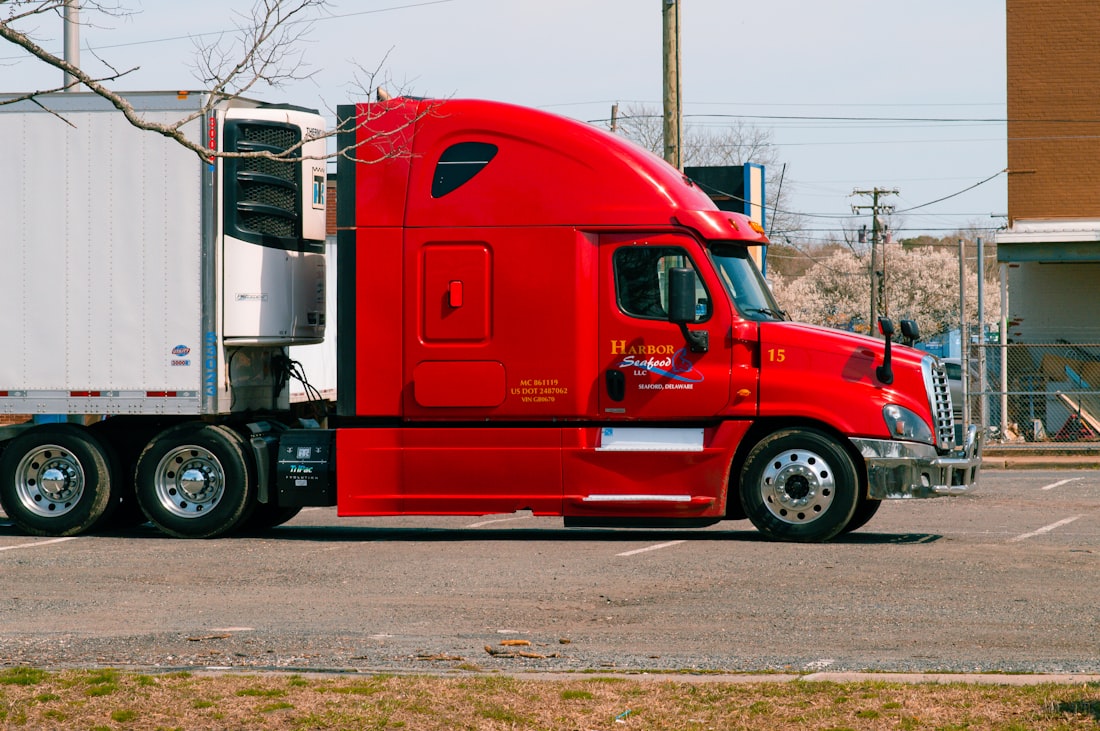
Almost nobody in Dubai rents out a truck as an individual. Goods vehicles are registered to a company holding a DED trade licence for transport, freight forwarding or general trading with a transport activity attached, and that company is the one liable if something goes wrong — an accident, a damaged load, a labour dispute with the driver. If you're dealing with someone advertising a truck with no company name on the invoice, no trade licence number, and cash-only payment, you have no recourse if the truck doesn't turn up or the driver causes damage.
There's also a mainland/free zone wrinkle worth knowing. A transport company licensed only in a free zone such as JAFZA can move goods within and out of that free zone easily, but running general city-wide mainland routes — Al Quoz to Jumeirah, say — usually requires a mainland licence or a mainland service agent arrangement. For a private house move this rarely matters. For a business shifting stock or equipment regularly across the city, it's worth asking which licence the operator actually holds, because a free-zone-only company doing daily mainland runs is operating outside its permit.
Drivers need a UAE licence category matched to the vehicle's weight — a standard light licence covers vehicles up to roughly 3,500kg, anything heavier needs a separate heavy truck category. If you're hiring self-drive, check your own licence covers the truck class before you sign; rental companies are supposed to verify this but not all of them do.
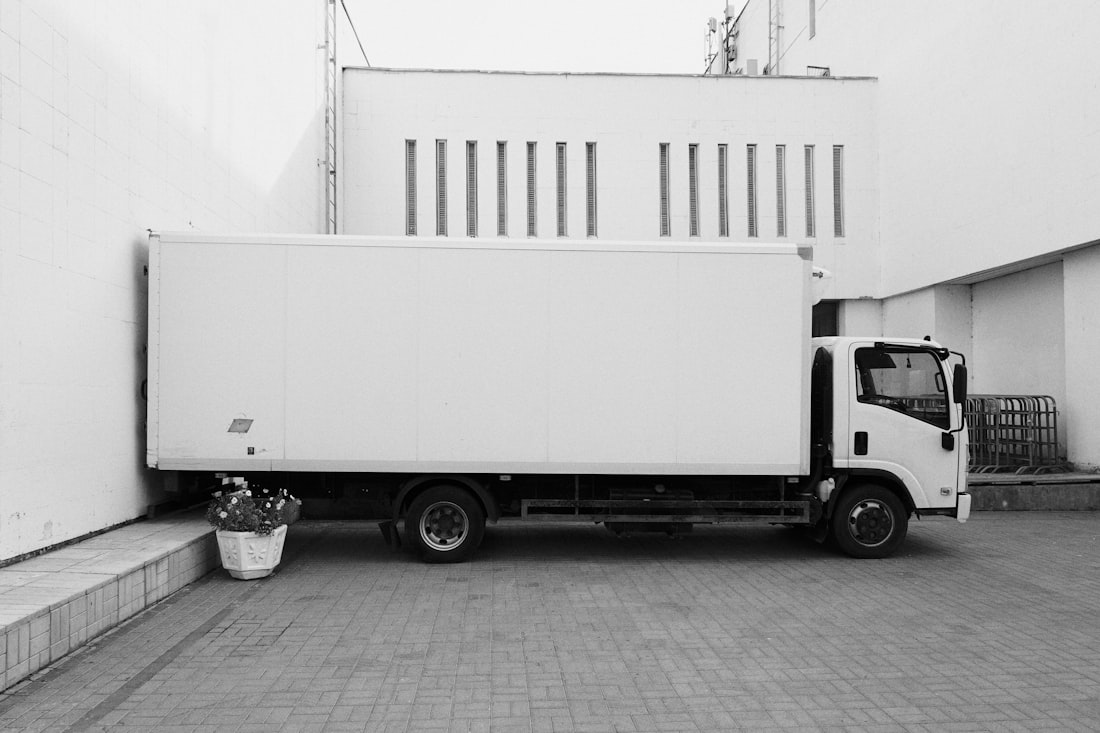
Al Quoz and Ras Al Khor are Dubai's transport and haulage belt — most box truck, flatbed and heavy vehicle rental companies operate out of yards in these two areas, which also means faster response times if you're moving within central Dubai, Business Bay, Al Barsha or Jumeirah. Jebel Ali and Dubai Investment Park serve the logistics and free-zone crowd, better suited to companies moving freight rather than households. Deira still has a cluster of older transport operators, useful for last-minute pickup hire but less consistent on paperwork. If your move is in Dubai Marina, JLT or the Palm, expect a small mobilisation charge from Al Quoz-based operators to cover the drive over, usually AED 50–100.
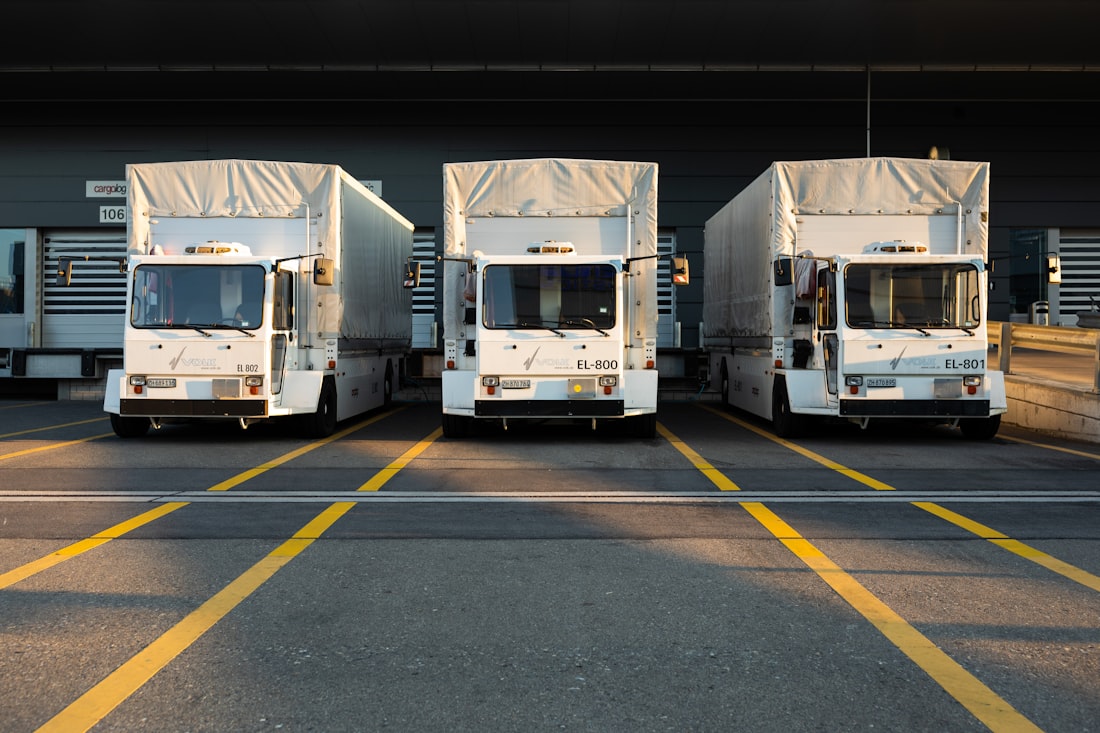
Heavy trucks face road and time restrictions in Dubai that catch out first-time renters. Vehicles above a certain gross weight are barred from Sheikh Zayed Road and several other main roads during peak hours, broadly 7am–9am and 5pm–8pm, and some heavier categories are restricted to night-time movement only within central areas. Oversized or overweight loads — anything wider or taller than standard, or hauling machinery — need an RTA permit arranged in advance, and this is the operator's responsibility, not yours, though you'll pay for it. If you're booking a flatbed for something like a generator or a boat, ask directly whether a permit is needed and who is obtaining it; a company that shrugs off this question is one to avoid.
A written quote worth trusting sets out the truck size and type, whether a driver is included and his licence category, the number of hours or days covered, loading and unloading labour as a separate line, Salik and fuel treatment, any out-of-emirate or after-hours surcharge, and the security deposit and how it's refunded. It should also carry the company's trade licence number and the vehicle's Mulkiya (registration) category matching the job — a truck registered for goods transport, not a private vehicle being used informally.
The two recurring problems are overloading and undocumented drivers. RTA fines for overloaded goods vehicles are steep and fall on the vehicle owner, and an operator who agrees to squeeze more onto a 3-tonne truck than it's rated for is taking a risk with your goods as much as their licence. The second issue is a driver without proper visa or licensing status turning up in place of the one quoted — ask for the driver's name and Emirates ID to be confirmed on the booking, and don't hand over goods to someone who can't produce it. If a dispute arises over damage or a no-show, your recourse is with the company against its trade licence, which is precisely why a cash deal with no invoice leaves you exposed.
Play the world’s favorite sports at the emirate’s largest, indoor summer sports...



 Log in with Google