Article by:
DubaiDirectory

Nestled between the calm turquoise waters of the Arabian Gulf and the majestic ...

Most upholstery work in Dubai runs through small companies based in industrial sheds, not shopfronts, and the price you're quoted depends heavily on whether that company owns a proper workshop or is subcontracting your job to someone else's. That single fact explains most of the bad experiences people report: a mismatched fabric batch, foam that sags within a year, or a three-week job that takes seven.
Dining chair reupholstery, fabric and labour included, runs AED 150-300 per chair depending on the fabric grade and whether the frame needs regluing. A standard three-seater sofa in a mid-range fabric costs AED 800-1,800 to reupholster; move to leather and you're looking at AED 2,000-4,500, mostly because leather itself runs AED 150-400 per metre against AED 40-120 for a decent upholstery-grade fabric. A full villa majlis — the long built-in seating found in most Emirati and Gulf households — is priced per linear metre, typically AED 300-600 including foam, and a full room can easily reach AED 8,000-15,000 once you include bolster cushions and armrests.
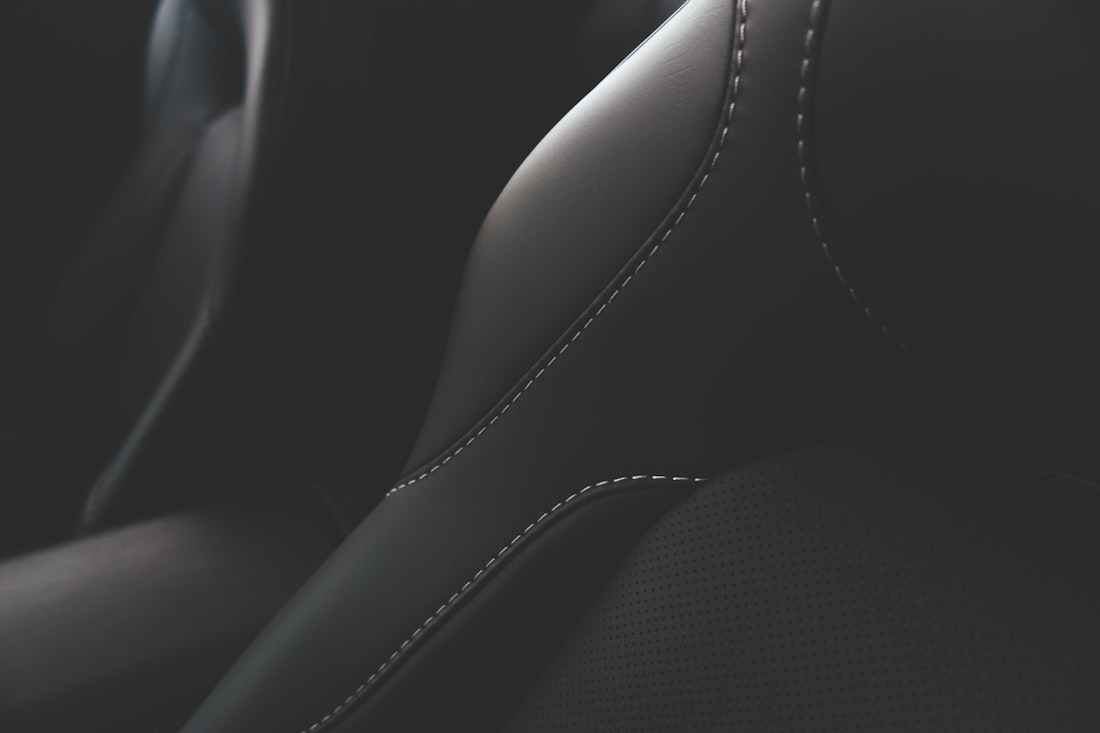
Car interiors are their own market. A full leather seat swap for a saloon runs AED 1,500-3,500 depending on whether you're using genuine or PU leather and how many seats need new foam versus just new covers. Workshops around Al Quoz and off Sheikh Zayed Road near Al Barsha handle most of this trade, and prices there are generally lower than anyone advertising a home pickup service in Dubai Marina or Business Bay, simply because rent is cheaper.
Ask what fabric grade is included in the headline price. Cheap quotes often assume the lowest-grade local fabric at AED 35-45 a metre, and the moment you pick something from an imported swatch book — Belgian linen blends, better-wearing chenille — the price jumps 30-50%. A workshop that shows you physical swatch books rather than photos on a phone is usually the more established one; the good ones carry books from regional distributors and can tell you the rub count (abrasion resistance) of each fabric, which matters more than colour if you have kids, pets, or a majlis that hosts frequent gatherings.
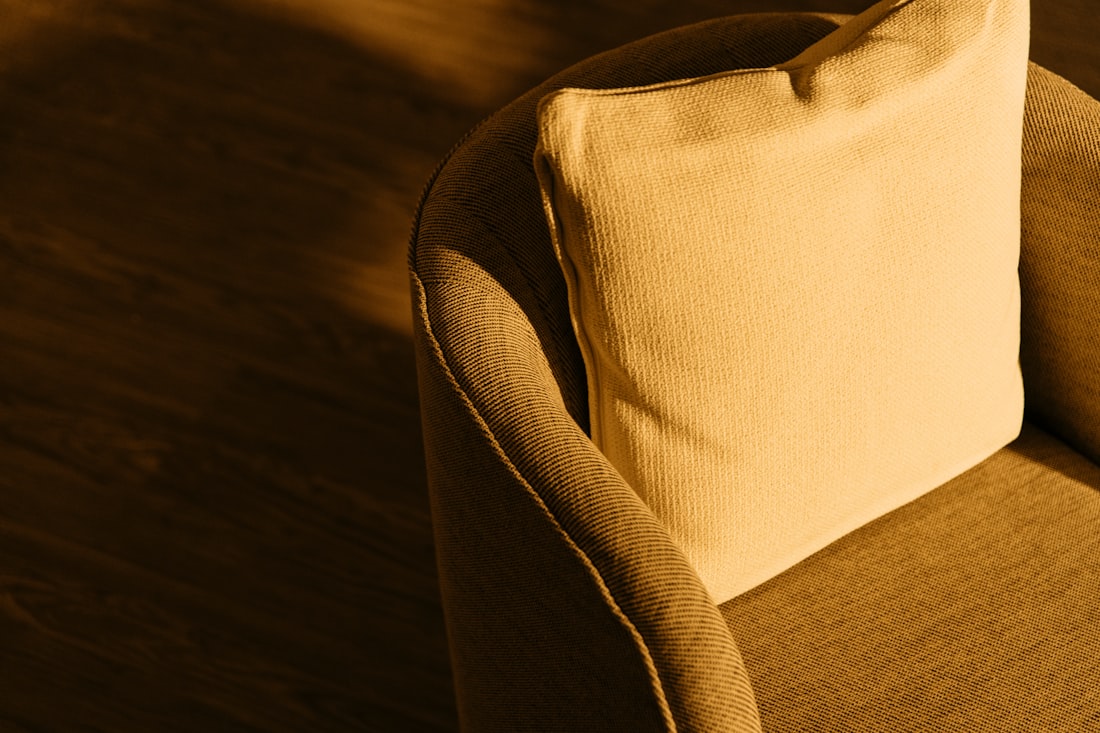
The trade is concentrated in Al Quoz Industrial Areas 1 to 4, with a smaller cluster around Ras Al Khor and Al Qusais Industrial. These are working sheds, not showrooms, and that's fine — it's where the frame repair, spring retensioning and foam-cutting equipment actually lives. Anyone quoting you from a residential address or a generic office in JLT or Business Bay is almost certainly acting as a middleman, taking a cut and sending your sofa to one of the same Al Quoz workshops anyway. If pickup and delivery is included, that's not a problem in itself, but it's worth asking directly who does the physical work and where.
For large majlis jobs, a legitimate workshop will send someone to measure on-site before quoting, because built-in seating dimensions vary enormously between villas. If a company gives you a firm majlis price over WhatsApp without ever seeing the space, treat that number as a placeholder, not a quote.

A written quote worth trusting itemises fabric cost per metre and total metres required, labour separately, foam or spring replacement if needed, frame repair if the wood is cracked or the joints have loosened, and delivery. It should state a timeline and, ideally, a workmanship warranty of six months to a year covering seam failure and frame issues, though not general wear. If the company is VAT-registered — most operations of any size are, since registration is mandatory above AED 375,000 annual turnover — the invoice should show 5% VAT separately, not folded silently into the total.
A few direct questions do most of the vetting work for you:
Companies operating from Dubai's free zones sometimes face a restriction worth knowing about: a free-zone trade licence generally limits a business to operating within that zone or doing B2B work, and door-to-door residential service across Dubai technically requires a mainland DED licence. In practice most upholstery firms serving homes are mainland-licensed for exactly this reason, but if a quote comes from a name you don't recognise, checking the licence type takes two minutes and avoids awkward questions later about invoicing or warranty enforcement.
Demand for majlis and formal seating upholstery spikes hard in the four to six weeks before Ramadan, since most households refresh their gathering spaces before the month of nightly visitors begins. Book in January or February for pre-Ramadan work; leave it to the week before and you'll either pay a premium or wait until after Eid. Summer, by contrast, is quieter for home upholstery but harder on materials already in use — high humidity and closed-up villas during long owner absences accelerate foam breakdown and mildew in fabric, so July and August are actually a good time to get a competitive quote, just not a good time to expect fast turnaround if the workshop is short-staffed during Eid Al Adha or the peak leave season.
Dining chairs typically take three to five working days once fabric is confirmed. A standard sofa runs one to two weeks. A full majlis room, given the volume of foam-cutting and measuring involved, realistically takes two to three weeks from confirmed order to installation — anyone promising a full majlis in under a week is either overstaffed and expensive or planning to cut a corner somewhere in the foam or frame work. Get the timeline in writing alongside the price, because verbal estimates in this trade tend to expand once your furniture is already disassembled in someone else's workshop.
Nestled between the calm turquoise waters of the Arabian Gulf and the majestic ...
Discover the world of Häagen-Dazs - delicious, premium ice cream made with only...



 Log in with Google