Article by:
DubaiDirectory

Health has always been a selling concept for ages. However, fruit juices have m...

Most vending machines placed in Dubai offices, gyms and apartment lobbies cost the site owner nothing upfront. The machine is supplied, stocked and maintained free by the vending company, which makes its money on the products sold through it. This surprises a lot of people who assume they need to buy or lease equipment outright. If a supplier is quoting you a purchase price of AED 8,000-25,000 for a machine before you've even discussed footfall, ask why they're not offering the standard free-placement model — sometimes it's because your location doesn't generate enough volume to interest them on commission, which itself tells you something.
Under a typical agreement, the vending company installs the machine, owns it, restocks it on a schedule (usually weekly, sometimes twice weekly for high-traffic sites like labour camps or large warehouses in Al Quoz and Ras Al Khor), and services faults within 24-48 hours. In exchange, you either take a small commission on sales — commonly 5-10% for a modest office site — or you get the convenience for free with no revenue share at all, which is common in smaller offices where the operator just wants the footprint. Higher-traffic sites such as construction site cabins, large warehouses, or residential towers with 200+ units can negotiate 10-15% commission, sometimes with a minimum guaranteed monthly payment if the operator is confident in the numbers.
Where people get caught out is in exclusivity clauses. Many contracts lock you into a single supplier for one, two or even three years, with no right to bring in a second machine or switch operators even if service is poor. Read this clause before anything else. A fair contract gives either party 30-60 days' written notice to exit if service standards aren't met, and doesn't penalise you for adding a second machine from the same supplier if demand grows.
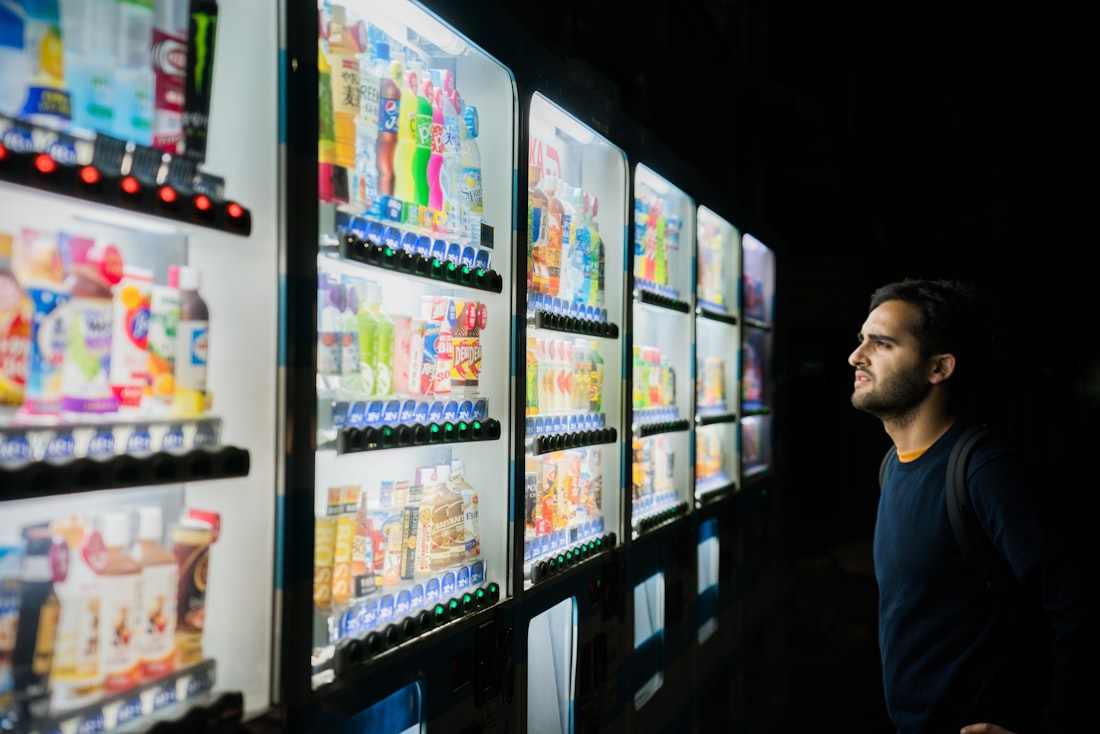
A proper vending proposal for a Dubai site should specify: the machine model and whether it's new or refurbished, the restocking frequency, response time for breakdowns, payment options (cash, card, or both — cashless is increasingly standard post-2022 and genuinely expected in Business Bay, DIFC and JLT offices), power consumption and voltage requirements, and who's responsible for the DEWA connection if one doesn't already exist near the intended spot. If any of these are missing, ask. An operator who can't tell you the machine's running amperage on request probably hasn't done many installs in commercial towers, where facilities management will want that figure before granting access.
Card-only or app-payment machines have become the norm in newer developments and free zones like DIFC and DMCC, partly because tenants there skew younger and expat, and partly because building management increasingly asks for it to avoid cash-handling disputes. If you're in an older building in Deira or Karama with a more mixed, price-sensitive tenant base, cash acceptance still matters — don't let a supplier talk you into a cashless-only unit if your foot traffic includes labourers or older residents who may not carry cards.
Buying a machine outright makes sense mainly for owner-operators starting a small vending business themselves, or for a company wanting a branded machine (say, a private gym selling only its own supplement range) rather than a shared commercial model. New machines from established suppliers run roughly AED 9,000-15,000 for a standard snack-and-drink combo unit, AED 15,000-30,000 for a bean-to-cup coffee machine, and considerably more for specialised units like frozen food or PPE dispensers, which have grown in demand on construction sites. Refurbished machines can be had for 40-60% of new pricing but carry higher breakdown risk — ask for a warranty period of at least six months, and get it in writing rather than a verbal promise.
If you're buying to operate the machine yourself commercially — placing units in other people's buildings rather than just your own office — you need a DED trade licence covering vending or general trading activity, and in most cases you'll be operating as a mainland company rather than through a free zone, since free-zone entities generally can't trade or place equipment outside their zone without a dual licence or local service agent arrangement. This trips up a fair number of ambitious first-timers who set up in a free zone for the lower setup cost, then discover they can't legally place a machine in a DIFC building next door without additional paperwork.
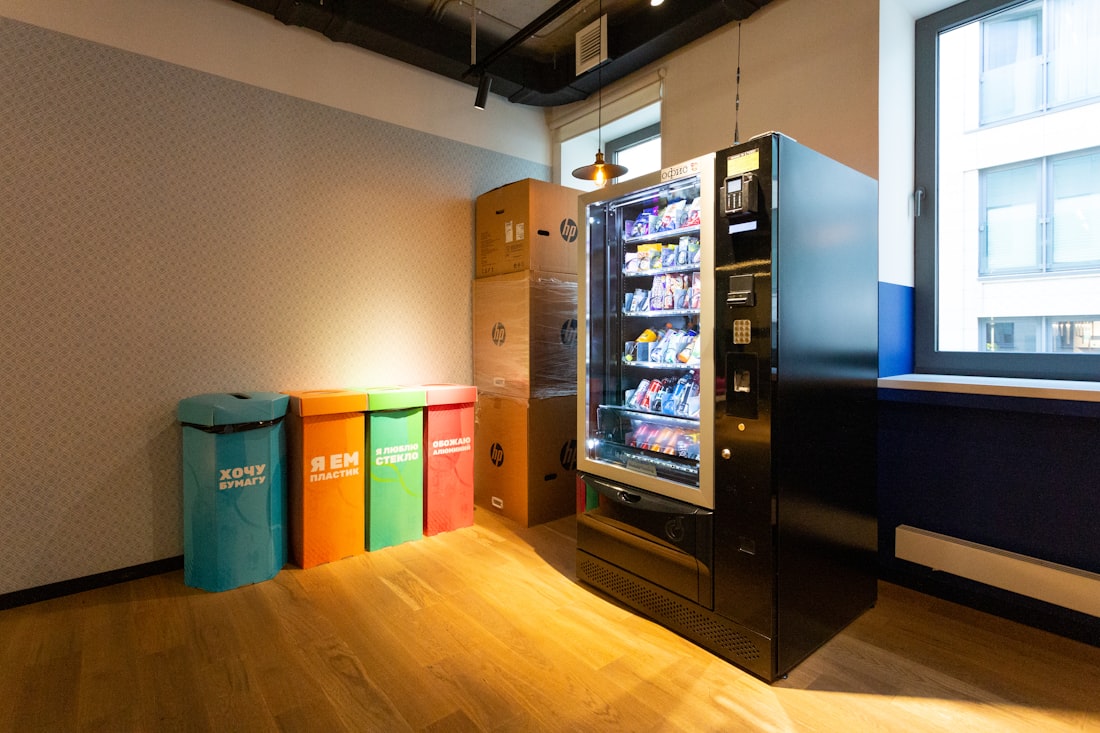
Every vending machine needs a dedicated power point, and most commercial buildings in Dubai require facilities management sign-off before any equipment is installed in common areas, even if the space is technically yours to use. In towers under a owners' association or managed by a facilities company, expect to submit a simple request with the machine's specifications, and allow a few days to a couple of weeks for approval, longer in older buildings where paperwork moves slower. DEWA doesn't need to be involved directly for most standard single-phase machines, but if you're installing a bank of three or four units, or a coffee machine with a boiler drawing significant current, check the building's spare load capacity first. A reputable vending operator will ask this before quoting, not after installation day when the machine trips the circuit.
Summer matters more than people expect. Cold drink and water sales spike hard from May through September, and a machine that isn't restocked frequently enough in July will simply run empty by Wednesday. If you're negotiating restocking frequency, push for at least twice-weekly visits during the hot months even if the contract defaults to weekly the rest of the year — a decent supplier will agree to this without a fuss, since it's in their interest too.
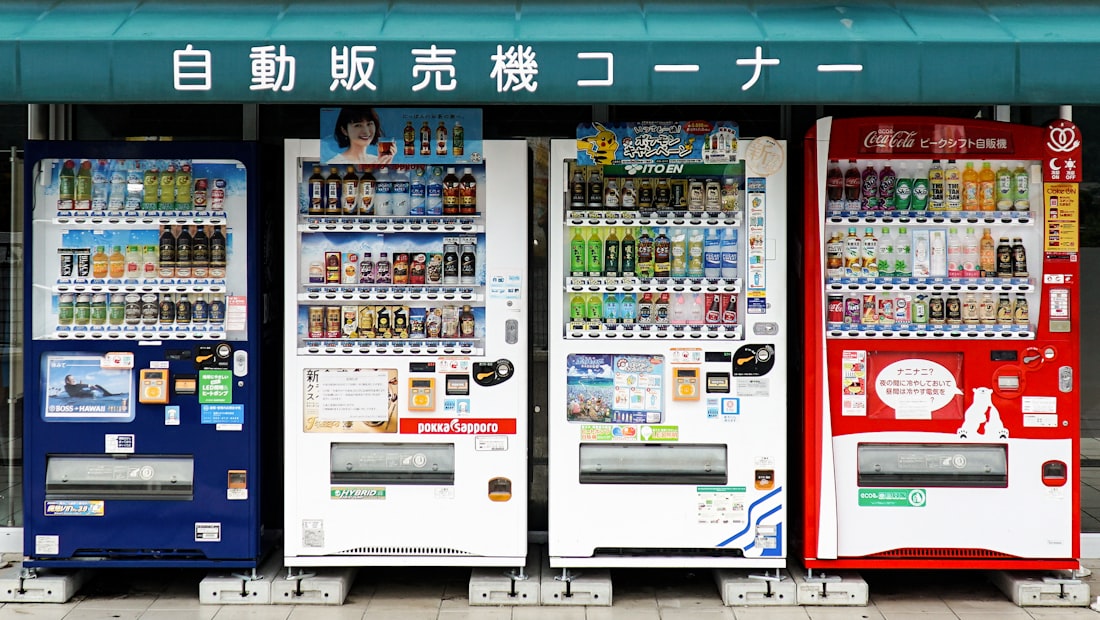
Ask how many machines they currently service in Dubai, and in which areas — an operator with a handful of units scattered across the city will struggle with response times compared to one with a concentrated route in, say, JLT or Al Barsha. Ask what happens if the machine breaks down over a public holiday weekend, since Eid and National Day periods are exactly when breakdowns go unnoticed longest in office buildings. And ask for the DED trade licence number and confirm it covers vending or general trading — a company operating without one isn't necessarily untrustworthy, but it does mean you have no recourse through Dubai Economy if a dispute arises over commission payments or contract terms. That last point alone is worth the two minutes it takes to check.
Health has always been a selling concept for ages. However, fruit juices have m...

 Log in with Google