Article by:
DubaiDirectory

Shangri-La Hotel, Dubai, offers 302 luxuriously appointed rooms and suites and ...

Most people searching for warehouse storage in Dubai actually need one of three quite different things: a leased industrial unit for a business that's outgrown its office stockroom, a pallet-by-pallet arrangement with a logistics company, or a self-storage box for overflow furniture or documents. The pricing, the paperwork and the contract length are completely different for each, and mixing them up is the fastest way to sign something you'll regret in month three.
A full warehouse lease means you take an entire unit, register it, fit it out with racking if needed, and run it as part of your own operation. This suits businesses moving genuine volume — e-commerce fulfilment, import distribution, F&B supply. A 3PL (third-party logistics) arrangement means someone else's warehouse holds your stock on pallets or in a caged bay, and you pay per pallet per month, typically AED 25–45 depending on whether it's ambient, chilled or bonded. Self-storage is the smallest tier: individual lockable units by the square foot, aimed at businesses archiving documents or households between moves, usually AED 15–25 per sq ft per year for basic ambient units in areas like Al Quoz or Ras Al Khor.
The mistake people make is leasing a full warehouse when 40 pallets of 3PL storage would have covered it for a fraction of the commitment, or renting self-storage for goods that need climate control and watching stock degrade over a Dubai summer.
Rates vary more by area and specification than most quotes let on. Al Quoz, being central and long-established, commands AED 18–35 per sq ft per year for a standard warehouse with 9–10 metre clear height, though older units with lower ceilings and no loading dock sit at the bottom of that range. Ras Al Khor sits similarly, slightly cheaper for older stock near the industrial edge. National Industries Park and Dubai Investments Park, further out but purpose-built with better access roads, run AED 15–25 per sq ft, and this is where most mid-sized distribution operations end up once they outgrow Al Quoz. JAFZA and DAFZA, Dubai's main free zones, charge more — AED 25–45 per sq ft — but that premium buys customs-bonded status and easier re-export handling. Cold storage or temperature-controlled space, wherever it sits, jumps to AED 60–120 per sq ft per year because of the insulation, chiller plant and higher DEWA load involved.
Ask for the rate broken down as rent plus service charge separately. A quoted AED 22 per sq ft that turns out to be AED 18 rent plus AED 4 service charge for shared security and estate maintenance is normal; a quote that hides the service charge until the contract stage is not.
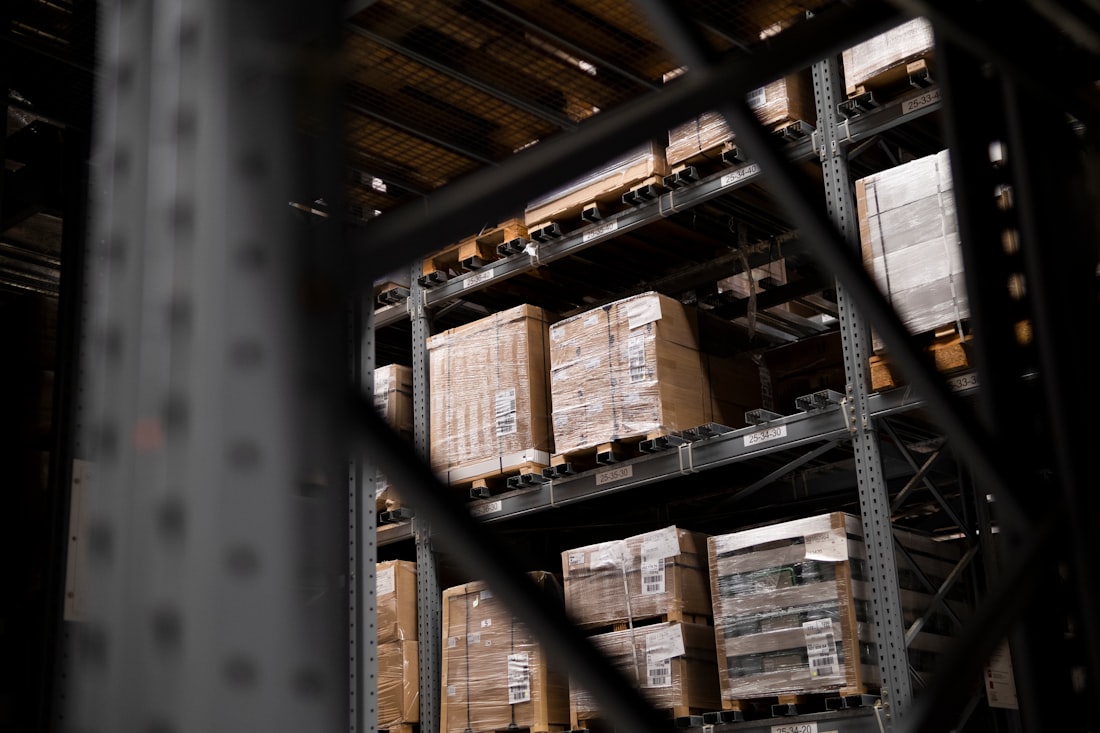
This is the single biggest fork in the road and it's rarely explained clearly at the leasing stage. A mainland warehouse requires a DED trade license and lets you sell and distribute directly into the UAE market, but any goods you import pay 5% customs duty on arrival. A free zone warehouse (JAFZA, DAFZA, or the smaller Dubai South and DIP free zone pockets) requires a free zone license instead, and goods can sit there duty-free indefinitely until they leave the zone — ideal for re-export businesses or those holding stock for GCC-wide distribution. The catch: selling free zone stock directly to a UAE mainland customer means either paying that duty retroactively or routing the sale through a mainland distributor. Businesses that guess wrong here end up either overpaying duty for years or restructuring their supply chain mid-lease, which is expensive and slow.
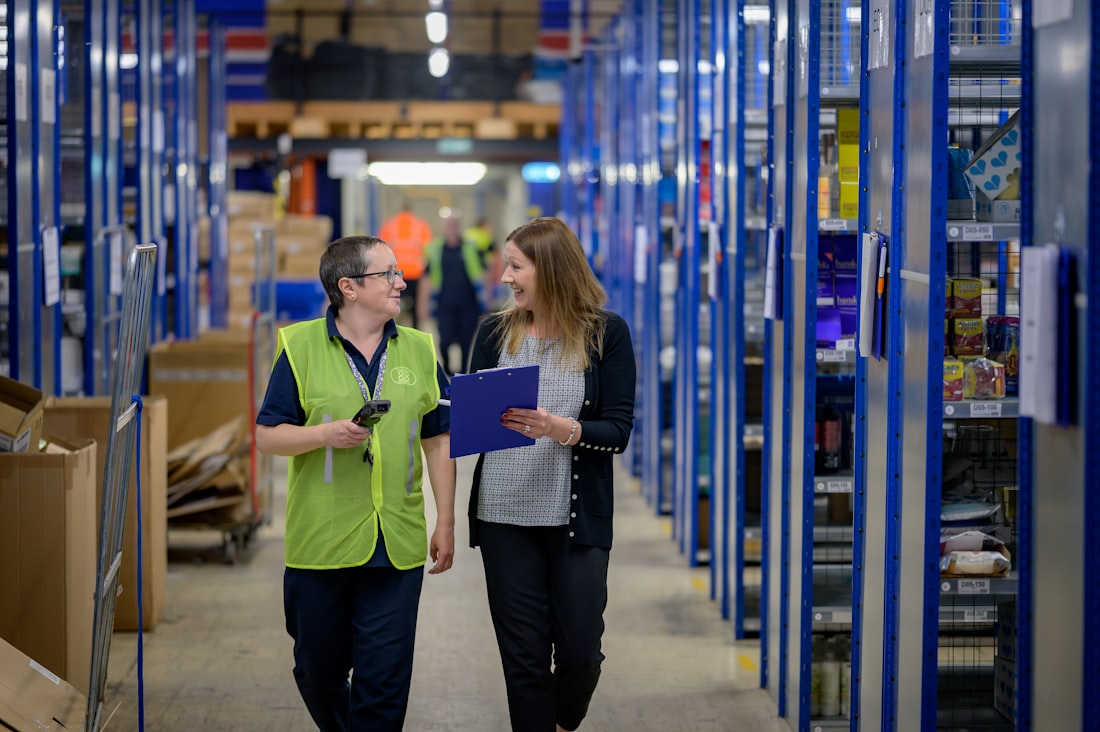
Every commercial lease in Dubai, warehouses included, needs Ejari registration — the tenancy contract lodged with Dubai Land Department, without which you can't get a DEWA connection or renew your trade license address. Beyond that, warehouses carry extra layers residential tenants never see. Civil Defence issues a fire and life safety NOC before you can operate, and it will reject the unit if sprinklers, fire extinguisher points or emergency exits don't match the goods you're storing — flammable stock, aerosols and certain chemicals trigger stricter requirements than general dry goods. If you plan to install racking above a certain height, or build a mezzanine floor for extra storage, Dubai Municipality requires a structural engineer's certificate confirming the floor slab and racking frame can bear the load; skip this and Civil Defence will flag it during inspection, sometimes after you've already filled the racking.
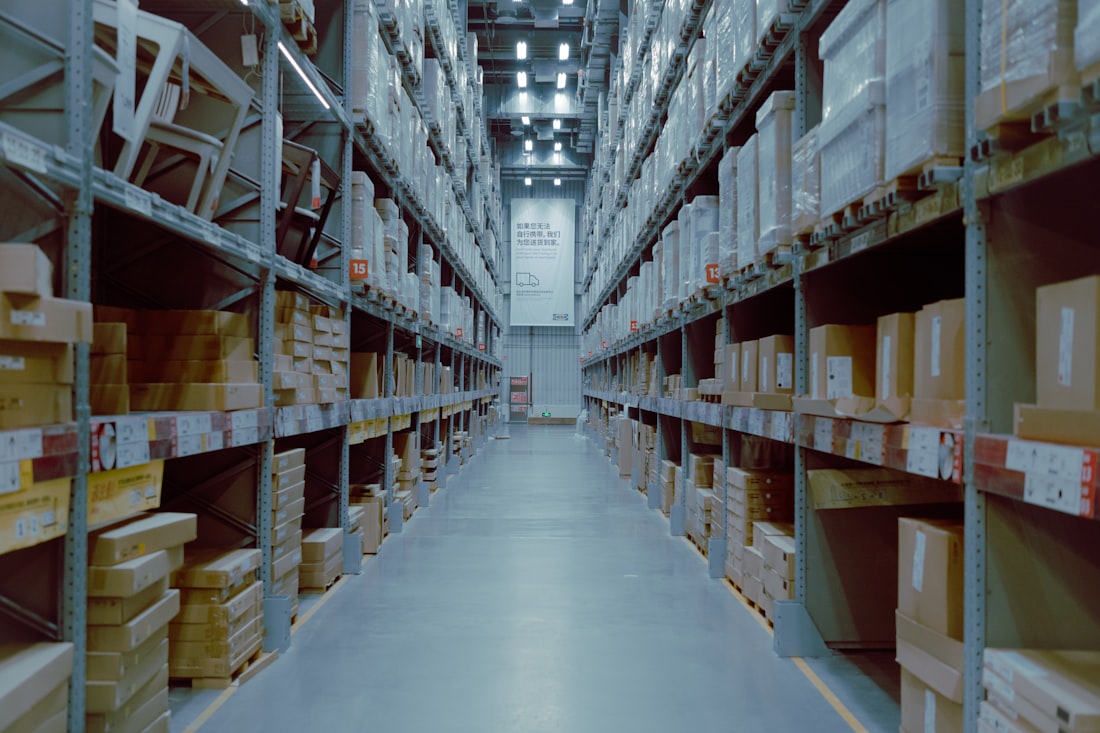
A proper warehouse quote itemises rent, service charge, security deposit (usually 5–10% of annual rent), and the DEWA connection deposit, which is charged at industrial rates and can run into several thousand dirhams depending on load capacity requested. It should also state the number of rent cheques — most landlords still take 1 to 4 post-dated cheques per year rather than monthly transfers — and whether the unit is handed over as shell and core or with racking, lighting and loading dock already fitted. Fit-out costs get glossed over constantly: adding a mezzanine, industrial racking, or upgrading the electrical load for refrigeration equipment can add AED 50–150 per sq ft as a one-off cost, which changes the real economics of a cheap headline rent considerably.
Before signing anything, ask the landlord or agent to confirm floor loading capacity in tonnes per square metre — this matters enormously if you're storing anything on high-bay racking or heavy machinery, and a unit built for light retail storage often can't take industrial racking loads without reinforcement. Ask about clear height measured to the underside of the roof structure, not to the eaves, since the two numbers get confused and a 9-metre quote can turn out to be 7 metres of usable racking height. Confirm the number of loading dock doors versus ground-level roller shutters, and whether forklifts can manoeuvre in the yard — a unit with a single narrow access road becomes a bottleneck the moment two trucks need to load at once.
A few points worth checking against any provider before you commit:
If your volume sits under roughly 100–150 pallets, a 3PL arrangement usually beats leasing outright once you account for the deposit, fit-out and 1–3 year commitment a warehouse lease demands. Providers around Al Quoz, DIP and the Jebel Ali corridor quote per-pallet-per-month rates and often throw in basic handling, giving you a facility that scales up or down with seasonal demand — useful given how sharply e-commerce and retail stock levels spike before Ramadan and the September school-return period. Once you're consistently above that pallet count, or need dedicated space for your own staff and processes, the economics flip back toward a direct lease.
Much more than a simple patisserie or tearoom, Angelina is a luxury brand with ...



 Log in with Google