Article by:
DubaiDirectory

Welcome to Address Dubai Mall, a city shopping retreat that sparkles anew in th...

A full-service wedding planner in Dubai typically charges 10-15% of the total event budget, or a flat fee between AED 15,000 and AED 60,000 depending on guest count and how much of the planning they own from vendor sourcing to run-of-show. Day-of coordination, where you've booked everything yourself and just want someone managing the timeline, runs AED 5,000-12,000. Partial planning, a common middle option where the planner takes over three or four months before the date, sits around AED 8,000-25,000. If a quote lands well outside these bands, ask what's included before assuming it's a bargain or a rip-off.
A proper proposal separates the planner's fee from vendor costs. If someone quotes you AED 120,000 for "the wedding" without itemising catering, décor, photography and venue hire as distinct line items, you have no way to check whether you're being overcharged on any single component, and no leverage to swap a vendor later. Ask for a breakdown showing the planner's fee, an estimated vendor budget by category, and a contingency line of 5-10% for the inevitable extras — most Dubai weddings end up 15-20% over the initial budget once floral upgrades and additional hours get added mid-planning.
Payment structure matters as much as the total. The market norm is a 30-40% deposit on signing, a second instalment around the halfway point, and the balance one to two weeks before the event. Planners asking for 70% or more upfront, or requesting cash rather than bank transfer, are a signal to slow down. A registered company will always prefer a paper trail because it protects them too.
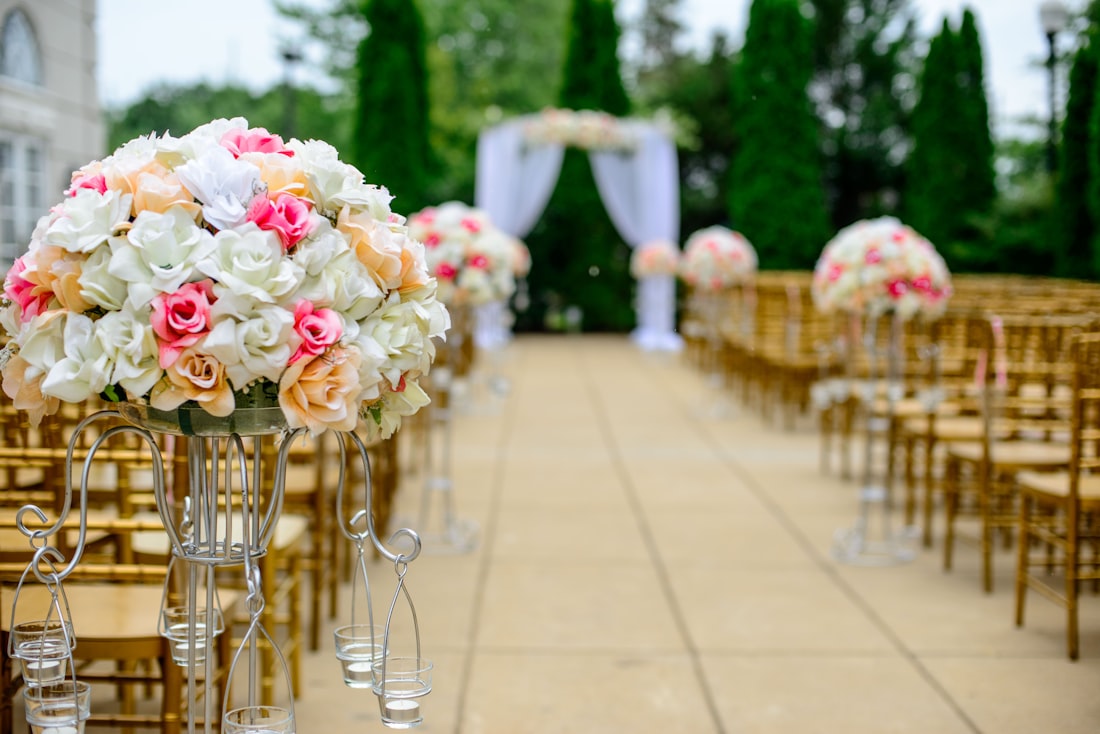
Event management in the UAE is a licensed activity, issued either through Dubai Economic Department for mainland operators or through a free zone such as Dubai Media City, IMPZ or Dubai South. Free zone licensing doesn't stop a planner working with mainland clients or venues — it's a services business, not a shop — but it does mean you should ask which authority issued the licence and be able to look the company up. A planner working without a trade licence at all isn't necessarily a scammer, but if something goes wrong with a vendor payment or a cancelled venue, you have no commercial entity to hold accountable, just an individual with a nice Instagram feed. This matters more in Dubai than in a lot of markets because so much wedding activity here runs through freelancers who plan weddings as a side business alongside a day job on a different visa. Ask to see the licence. A legitimate operator will send it without hesitation.

Dubai's wedding season runs October to April, with November through March the tightest window for outdoor and beachfront events because daytime temperatures stay manageable. Book a beach resort or desert venue for a January or February Saturday and you're competing with everyone else who had the same idea — popular venues in this window are often reserved six to twelve months out, and planners' calendars fill correspondingly early. Ramadan is effectively a dead zone; almost nobody schedules weddings during the month itself, and demand compresses hard into the weeks immediately after Eid, pushing prices up further for that period.
Summer, May through September, is a different market entirely. Outdoor weddings are impractical once temperatures pass 40°C, so anything held between June and August moves indoors — hotel ballrooms in Business Bay, Downtown or along Sheikh Zayed Road, or air-conditioned venues in JLT and Dubai Marina. Planners and venues often discount 20-30% in this period to fill dates, which makes summer genuinely worth considering if your guest list is largely local and doesn't need to fly in for good weather. A planner who doesn't mention this trade-off unprompted either hasn't worked enough seasons here or isn't thinking about your budget.
A short conversation usually tells you more than a portfolio. Ask these directly and listen for hesitation:
That last question is the most useful one. A planner who's actually worked a desert venue will have a specific story about generator failure, sand in the AV equipment, or a permit that took longer than expected — not a polished non-answer. Vagueness about past problems is a bigger red flag than admitting something once went wrong.
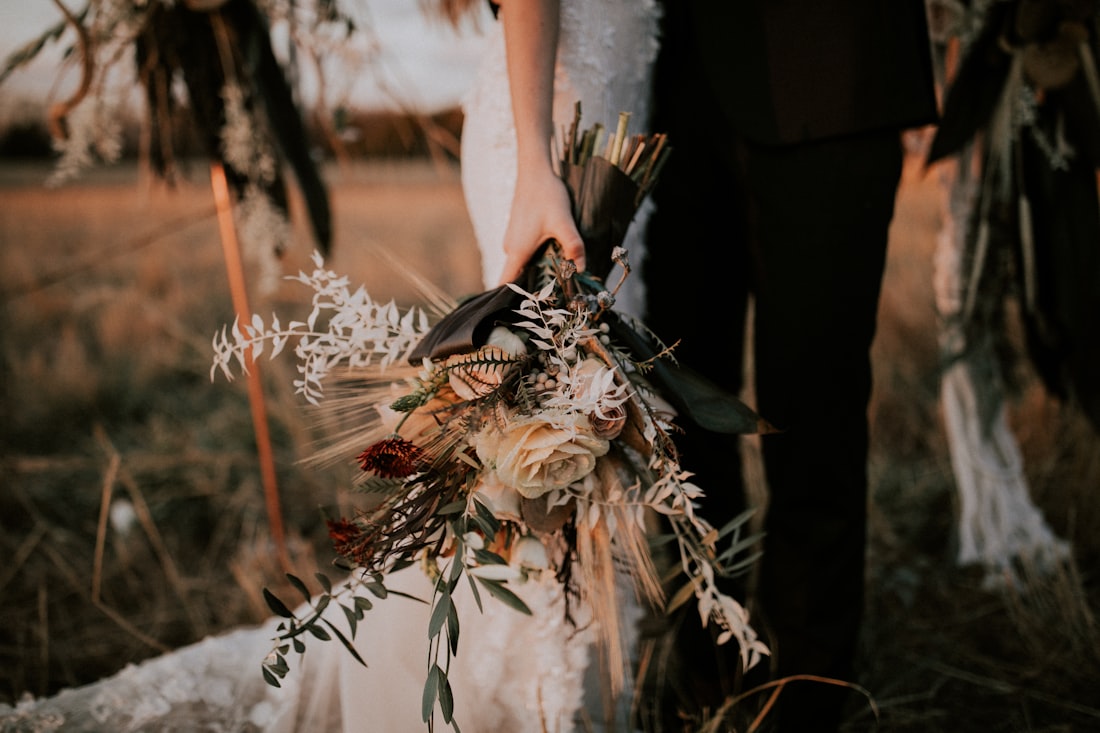
Licensed hotels and clubs can serve alcohol under their existing licence, which is one reason so many Dubai weddings default to hotel ballrooms rather than fighting for a standalone permit. If you want alcohol at a private venue, a beach location, or a desert camp that isn't already licensed, someone needs to arrange a special event permit, and this has to be initiated well in advance — a competent planner will raise this in your first meeting, not two weeks before the date when it's too late to sort out. Outdoor events, particularly anything with amplified music running past a certain hour or fireworks, may also need sign-off from Dubai Municipality or Dubai Civil Defence depending on the venue. Your planner should be handling these applications as part of their fee, not treating them as your problem to solve.
One more thing worth separating in your head early: the legal marriage and the wedding celebration are often two different events in Dubai, especially for non-Muslim expat couples, who typically register the marriage through their consulate or Dubai Courts and hold the reception as a separate social occasion. A planner experienced with international couples will know this distinction and won't assume the ceremony they're staging has any legal standing — worth confirming in your first conversation so nobody's under the wrong impression about what's actually being made official on the day.
Welcome to Address Dubai Mall, a city shopping retreat that sparkles anew in th...



 Log in with Google