
Common Kitchen Cures for High Blood Pressure in Dubai
High Blood Pressure and Life in Dubai
High blood pressure is often called a silent condition because it rarely shows obvious symptoms, yet over time it can quietly damage blood vessels and raise the risk of heart disease. Life in Dubai, with its fast pace, long working hours, frequent dining out and delivery culture, can make it easy to overlook the small daily habits that affect blood pressure. Many residents already know the basics from their doctors: maintain a healthy weight, stay active, avoid smoking and eat sensibly. Alongside these habits, there are simple kitchen ingredients, many of which are already sitting in a typical Dubai pantry or easily found in the nearest supermarket or spice souk, that can support healthy blood pressure levels.
Calcium-Rich Foods Available Locally
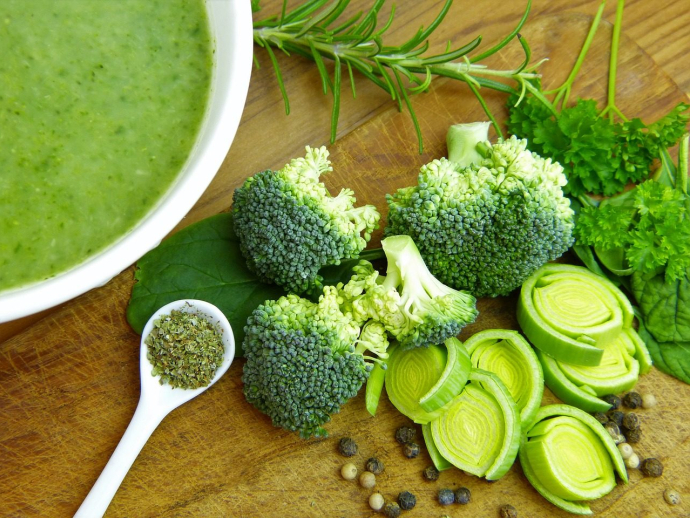
Calcium plays an important role in maintaining healthy blood pressure, and Dubai's supermarkets make it easy to stock up on calcium-rich foods year-round. Leafy greens such as spinach, along with broccoli, tofu and salmon, are widely available in most grocery stores and hypermarkets across the city. Adding these to weekly meal planning, whether cooking a South Asian-style spinach curry, a Levantine salad, or a simple grilled salmon dish, can help support blood pressure management without requiring any unusual or hard-to-find ingredients.
Vitamin D and the Dubai Climate
Vitamin D works closely with calcium to support healthy blood pressure, and Dubai's abundant sunshine should make this an easy vitamin to come by. In practice, many residents spend most of their day indoors in air-conditioned offices, malls and homes, and the intense midday sun makes prolonged outdoor exposure uncomfortable for much of the year. A short walk during the cooler early morning or evening hours, when the sun is still present but less harsh, can help the body produce vitamin D naturally. During the hotter summer months, many people choose to rely on vitamin D supplements instead, which are widely stocked in pharmacies across the city. As always, it is worth checking with a doctor before starting any new supplement, especially for those already managing hypertension.
Garlic, a Kitchen Staple Across Cultures
Garlic is a common thread running through the many cuisines found in Dubai, from Emirati and Levantine cooking to South Asian and Filipino dishes. This is fortunate, because garlic contains allicin, a compound linked to lower cholesterol and blood pressure. Fresh garlic is sold everywhere from large hypermarkets to small neighbourhood grocers, and it can be added to almost any savoury dish, from a simple daal to grilled meats or a vegetable stir-fry. Using fresh garlic rather than pre-minced jars or powders may offer slightly more benefit, and it is just as convenient given how widely it is stocked.
Watching Salt, Water and Ready-Made Meals
Dubai's heat means residents naturally drink more water, but it is worth remembering that the tap water in most buildings is desalinated and often quite hard, and many households prefer filtered or bottled water for both taste and mineral balance. Staying well hydrated supports overall cardiovascular health, but it is equally important to watch sodium intake, particularly given how much of daily eating in Dubai involves delivery apps, restaurant meals and packaged foods, many of which can be high in salt. Reading labels at the supermarket, choosing low-sodium versions of sauces and stocks, and cooking at home more often using fresh garlic, leafy greens and simple spices can make a noticeable difference over time.
Building Sustainable Habits
None of these kitchen adjustments replace medical advice or prescribed treatment, but they can work alongside a doctor's guidance to support healthy blood pressure over time. Given how easily accessible fresh produce, garlic, leafy greens and supplements are across Dubai's supermarkets, souks and pharmacies, building these small habits into a weekly routine is often more a matter of consistency than availability. Small, steady changes in the kitchen, paired with regular movement and mindful eating, tend to add up to meaningful results.
 Log in with Google