
Eating Healthy in Dubai Can Still Be Enjoyable
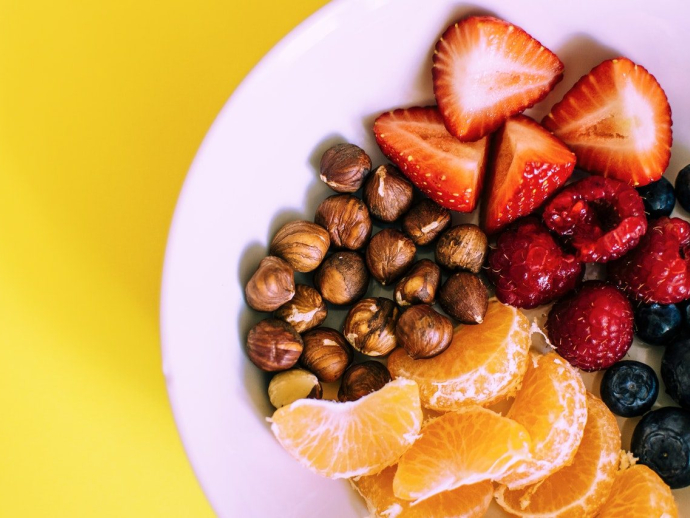
Healthy Eating in a City Built Around Convenience
Dubai makes it remarkably easy to eat well or eat poorly, often within the same afternoon. Supermarkets stock everything from fresh Gulf seafood to imported produce, food delivery apps can bring a meal to your door in minutes, and malls are lined with tempting food courts. Eating healthy here doesn't mean giving up flavour or convenience – it means being a little more deliberate about portions, ingredients and habits.
Start With Portions, Not Deprivation
A common trap in a city with generous buffet culture and large family-style servings is simply eating more than the body needs. Restaurants and hotel brunches are famous for oversized portions, and takeaway containers are often designed for two meals, not one. A simple habit is to split a delivery order into two servings before eating, or to share mezze-style dishes rather than ordering individual mains. Choosing grilled instead of fried, fish instead of red meat, and fresh fruit instead of sweets are small swaps that add up quickly, especially when eating out is such a regular part of life here.
Reading Labels at the Supermarket
Most packaged foods in Dubai carry bilingual Arabic and English labels, which makes it easier to compare sugar, salt and fat content across products from different countries. Many supermarkets now dedicate whole aisles to reduced-sugar, high-fibre or organic options, and smaller health-focused grocers and specialty stores are increasingly common across the city. Cereal, flavoured yoghurt, packaged juices and sauces are worth checking closely, since added sugar is often higher than expected. Switching to unsweetened tea, karak with less sugar, or fresh fruit juice without added syrup are easy first steps that don't feel like a sacrifice once the taste buds adjust.
Choosing the Right Fats and Staying Hydrated
Not all fats behave the same way, and this matters in a diet that often includes fried snacks, rich curries and buttery pastries popular across the region. Unsaturated fats found in olive oil, nuts, avocado and oily fish support heart health, while saturated and trans fats found in many processed and fried foods should be kept to a minimum. Given Dubai's heat and humidity for much of the year, hydration is just as important as food choices. Plain water, infused water with cucumber or mint, and naturally hydrating fruits like watermelon and oranges help the body cope with high temperatures far better than sugary soft drinks or excessive caffeine.
Making Healthy Eating Fun at Home
Eating well doesn't have to feel clinical, especially in a home kitchen stocked with ingredients from across the world. Preparing simple, colourful snacks makes healthy eating easier to stick to, particularly for households with children or during Ramadan when meals are planned around suhoor and iftar. A few easy options include:
- Cucumber or celery sticks with hummus
- Apple or pear slices with a light sprinkle of cinnamon
- Mixed fruit chaat with a squeeze of lime
- Carrot and cucumber sticks with labneh or yoghurt dip
These small dishes work well for family gatherings, iftar tables or simply as an afternoon snack during long, hot days. The key is treating healthy eating as an ongoing set of small choices rather than a strict rulebook, which makes it far easier to sustain in a city where good food, in every sense, is always close at hand.
 Log in with Google